

 By
How to Keep a Cat Off a Car: 7 Proven Tips Guide
Introduction: How to Keep a Cat Off a Car
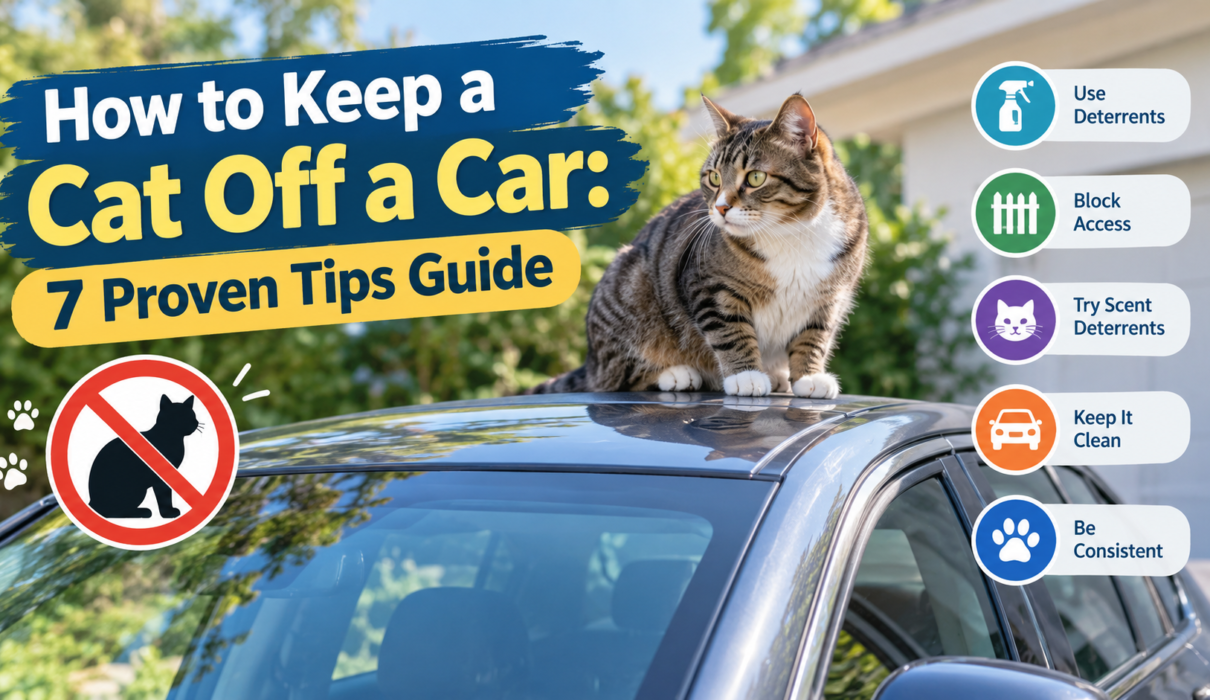
Cats are curious animals that often enjoy climbing onto parked vehicles. They may sit on the hood, walk across the roof, or hide near the tires because cars provide warmth, shelter, and a comfortable resting place. However, their presence can create problems for car owners, including muddy paw prints, loose fur, and scratches on the vehicle’s paint.
Learning how to keep a cat off a car can help you protect your vehicle while keeping neighborhood cats safe. Fortunately, you do not need to frighten or harm cats to discourage this behavior. Simple solutions, such as using a suitable car cover, choosing a better parking location, and installing humane deterrents, can make your vehicle less attractive to visiting cats.
Cats may also hide beneath vehicles or near the engine compartment, particularly during cold weather. This behavior can become dangerous if the engine starts while a cat is hiding nearby. Therefore, preventing cats from climbing on your vehicle is not only about protecting the paint but also about improving their safety.
In this guide, you will discover practical ways to keep cats off your car, understand why they are attracted to vehicles, and learn which prevention methods are safe and effective. By combining a few consistent strategies, you can reduce unwanted visits and maintain a cleaner car or how to keep a cat off a car.
Why Do Cats Climb on Cars?
Before learning how to keep a cat off a car, it is helpful to understand why cats are attracted to vehicles. Identifying the reason can help you choose a suitable prevention method instead of relying on temporary solutions.
Warmth and Comfort
One common reason cats climb onto cars is warmth. After a vehicle has been driven, parts of its body and engine compartment may remain warm for some time. During chilly weather, outdoor cats may look for these warm areas to rest.
The hood, roof, or sheltered space underneath a parked vehicle may seem like an inviting place to a cat. However, a recently driven car can also contain dangerously hot components. Cats that crawl near an engine may suffer burns or other injuries.
To discourage this behavior, consider parking inside a garage or using a properly fitted car cover. Always check around the vehicle before starting the engine, especially if neighborhood cats frequently visit your parking area or how to keep a cat off a car.
Shelter From Weather
Outdoor cats often search for protected places when it rains, becomes windy, or temperatures drop. A parked car can provide shelter from direct sunlight and some weather conditions.
Cats may also hide beneath vehicles because the space feels enclosed and protected. If your parking area contains bushes, boxes, or other hiding places nearby, cats may regularly visit the same location.
Keeping the parking area tidy and using an enclosed parking space whenever possible can help reduce these visits.
Curiosity and Territorial Behavior
Cats are naturally curious and frequently investigate objects in their surroundings. A car may attract their attention because it has unfamiliar smells, reflective surfaces, or interesting textures.
Some cats also return to familiar locations as part of their normal territorial behavior. If a cat regularly rests on your vehicle, it may continue returning because the area feels safe.
Consistent, humane deterrents can help change this habit. Avoid chasing, hitting, or frightening the animal, as these actions can cause unnecessary stress and may not prevent it from returning or how to keep a cat off a car.
Elevated Resting Places
Cats often prefer elevated locations because they provide a better view of their surroundings. A car hood or roof can serve as a convenient platform from which a cat can observe nearby activity.
This is particularly common when a vehicle is parked close to walls, gardens, or other places cats frequently explore.
If possible, park in a garage or choose a location where cats have fewer opportunities to access the vehicle. Combining this approach with other prevention methods can help keep cats off car surfaces more consistently.
How to Keep a Cat Off a Car by Using a Car Cover
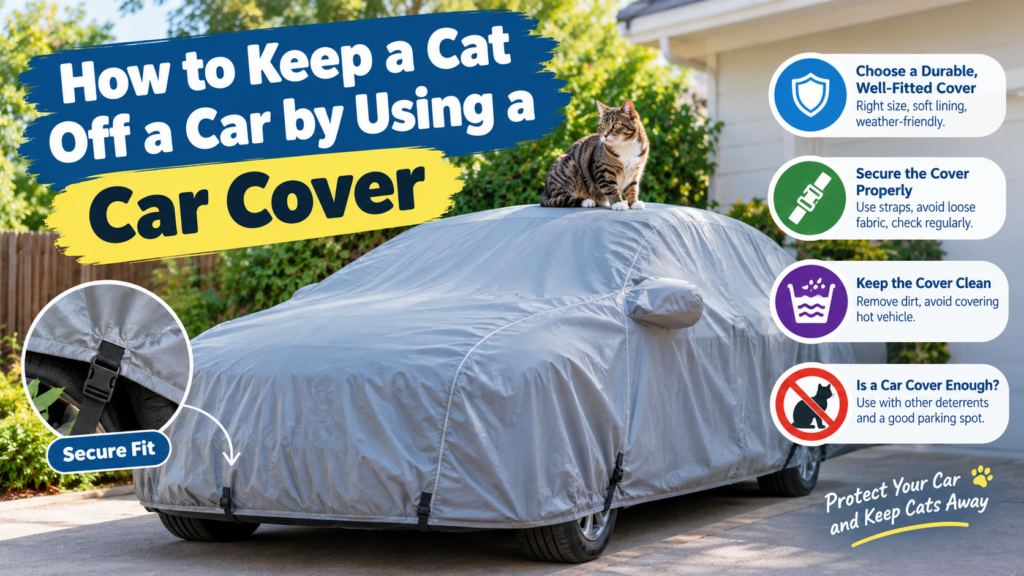
A car cover is one of the simplest ways to protect your vehicle from paw prints, loose fur, dirt, and some types of scratching. It creates a protective barrier between the cat and the car’s painted surface.
Although a cover cannot guarantee that cats will stop climbing onto your vehicle, it can help minimize direct contact with the paint.
Choose a Durable, Well-Fitted Cover
Select a car cover designed for your vehicle’s size and shape. A properly fitted cover is less likely to slide around or expose large sections of the car.
Look for a product with a soft inner lining that is suitable for automotive paint. A rough or dirty cover can cause scratches if it repeatedly moves against the vehicle or how to keep a cat off a car.
A suitable cover should also be designed for the weather conditions in your area. Breathable materials can help reduce trapped moisture, while an appropriate exterior layer can provide protection from dust and light rain.
Secure the Cover Properly
Loose fabric may flap in the wind or move when a cat jumps onto it. This movement can expose the vehicle and may create opportunities for dirt to rub against the paint.
Use the cover’s built-in straps or approved fastening system to keep it in place. Follow the manufacturer’s instructions and avoid fastening it so tightly that it damages the vehicle or the cover.
Check the cover regularly for tears, accumulated dirt, or loose sections.
Keep the Cover Clean
Dirt and small particles trapped beneath a car cover can scratch the paint when the fabric moves. For this reason, clean both the cover and the vehicle as recommended by their manufacturers.
Before placing the cover over the car, make sure the vehicle is reasonably clean and cool. Avoid covering a hot vehicle unless the product is specifically designed for that use.
Is a Car Cover Enough?
A car cover is useful, but it may not stop every cat from visiting your vehicle. Some cats may continue climbing onto the covered car because they enjoy the elevated resting place.
For better results, combine the cover with safe deterrents and a suitable parking location. This layered approach can help protect your vehicle while reducing the likelihood of repeated visits or how to keep a cat off a car.
Keep Cats Off Car Surfaces With Safe Deterrents
Humane deterrents can help make your parking area less attractive to cats. The best options discourage unwanted visits without causing pain, poisoning, or unnecessary fear.
When deciding how to keep a cat off a car, consider the layout of your parking space, the cat’s usual behavior, and whether other animals or people use the same area.
Consider Motion-Activated Lights
Motion-activated lights can make a parking area less appealing to cats that prefer quiet, undisturbed places. When an animal approaches, the light switches on and changes the environment.
These devices are generally most useful in darker outdoor parking areas. However, some cats may become accustomed to repeated light activation, so this method may work better when combined with other measures.
Position the light so that it illuminates the relevant area without shining directly into neighboring homes or creating a hazard for drivers.
Use Motion-Activated Sprinklers Carefully
A motion-activated sprinkler can discourage cats from entering a garden or outdoor parking area by releasing a brief spray of water when movement is detected.
If you choose this option, position it away from the vehicle’s electrical connections and avoid spraying water onto the car unnecessarily. Consider whether the water could affect pedestrians, children, or neighboring properties.
Use the device only where it can operate safely, and discontinue it if it causes distress or creates a hazard. Never use high-pressure water or deliberately spray a cat at close range or how to keep a cat off a car.
Avoid Harmful Chemicals
Some household products and strong fragrances are unsafe for cats. Essential oils, concentrated repellents, mothballs, bleach, and other chemicals should not be applied to a vehicle or parking area as improvised cat deterrents.
Cats may inhale these substances, walk through them, or ingest residues while grooming. Certain products can cause poisoning or irritation.
Instead, choose products specifically labeled for humane cat deterrence and follow the instructions carefully. Keep all repellents away from places where cats eat, sleep, or drink.
Make the Parking Area Less Attractive
Small changes can help reduce the reasons cats visit your vehicle. Remove food scraps, secure rubbish bins, and avoid leaving pet food near the parking space or how to keep a cat off a car.
If cats frequently rest in a particular corner, consider whether a nearby sheltered area is attracting them. Making that area less inviting without blocking an animal’s escape route can encourage cats to move elsewhere.
Remember that no single deterrent works for every cat. Consistency, patience, and combining several safe methods are often more practical than expecting an immediate permanent solution.
How to Keep a Cat Off a Car by Changing Your Parking Spot
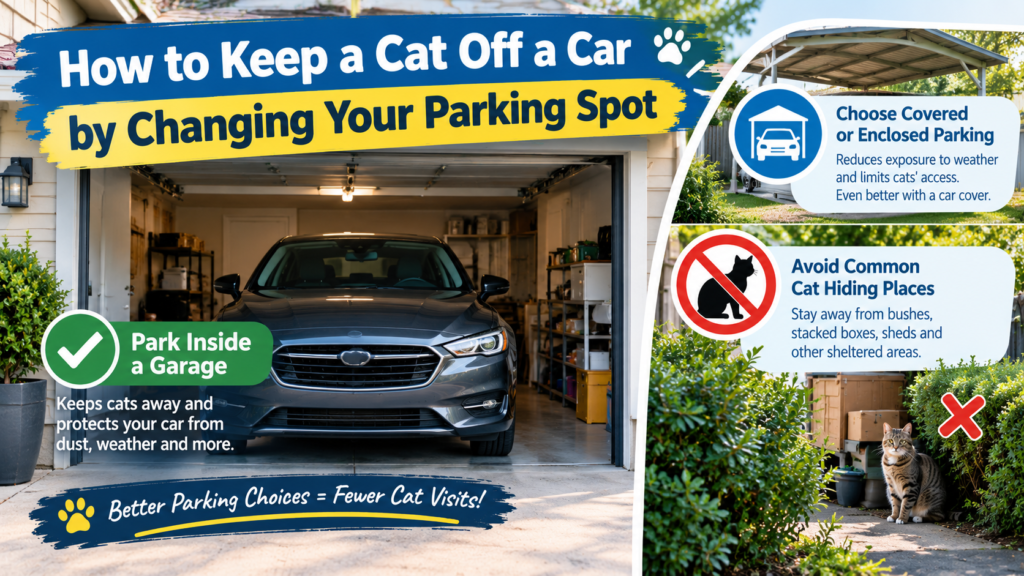
Your parking location can significantly influence how often cats climb onto your vehicle. A car parked near a garden, feeding area, or sheltered corner may attract more feline visitors than one kept inside an enclosed garage.
Changing where you park can therefore be a useful part of a long-term prevention plan.
Park Inside a Garage
A closed garage provides one of the strongest barriers between your vehicle and neighborhood cats. It can also protect the car from dust, falling leaves, bird droppings, and certain weather conditions.
Before closing the garage, check that no cat is already inside. Make sure the space is ventilated appropriately and that hazardous chemicals, tools, and automotive fluids are stored securely.
If a cat enters the garage, allow it a safe way to leave rather than trapping it inside.
Choose Covered or Enclosed Parking
If you do not have a garage, consider a covered parking space or another secure location where cats have fewer opportunities to climb onto the vehicle.
A covered space alone may not stop cats from reaching the hood or roof, but it can reduce exposure to weather and make it easier to use additional protective measures.
You can also combine a sheltered parking location with a well-fitted car cover for added protection.
Avoid Common Cat Hiding Places
Cats may be attracted to parking spaces close to thick bushes, stacked boxes, garden sheds, or other sheltered areas. These locations can provide convenient hiding places and easy access to vehicles.
Where practical, park a short distance away from these areas. Keep the space around your car tidy and remove unnecessary objects that create sheltered corners.
Do not block access to a cat’s existing hiding place if doing so could trap the animal inside. Check the area carefully before moving anything or how to keep a cat off a car.
Keep the Parking Area Clean
Food smells and rubbish can attract cats, especially when outdoor animals regularly search for something to eat. Clean up food scraps, secure waste containers, and avoid feeding cats directly beside your car.
If you care for neighborhood cats, provide food and water in a suitable location away from parked vehicles and traffic, where local conditions allow.
These simple changes may help make your parking area less attractive without harming the animals.
Combine Parking Changes With Other Methods
Changing your parking spot may reduce visits, but cats can adapt to new surroundings. If your vehicle remains an attractive resting place, a cat may eventually discover it again.
For more reliable results, use a combination of a secure parking location, a clean car cover, and safe deterrents. Always inspect beneath the car and around the engine compartment before starting the vehicle.
Remove Attractions That Encourage Cats in a Car Area
One of the most effective ways to understand how to keep a cat off a car is to identify what attracts cats to your parking area. Cats may visit vehicles because they find food nearby, enjoy sheltered resting places, or regularly explore the same surroundings. Removing these attractions can make your parking space less appealing.
Keep Food and Pet Food Away From Your Car
Food smells can attract neighborhood cats, particularly when pet food is left outside for long periods. If you feed your own pets outdoors, place their food bowls away from the vehicle and remove leftover food after mealtimes.
Avoid leaving scraps of meat, fish, or other food near your car. These items may attract cats and other animals to the parking area.
If you regularly feed stray cats, choose a suitable location away from parked vehicles and busy roads. This allows you to care for the animals while reducing the likelihood that they will associate your car with food or how to keep a cat off a car.
Secure Garbage Bins
Open garbage bins can attract cats searching for food. Loose rubbish may also create unpleasant odors that encourage animals to investigate the area.
Use bins with secure lids and clean up any spilled waste. If possible, keep garbage containers away from the place where you park your vehicle.
Regular cleaning can make your parking area more hygienic and less attractive to stray animals.
Remove Comfortable Hiding Places
Cats often seek quiet, sheltered spaces where they can rest without disturbance. Cardboard boxes, unused blankets, and clutter near a parked car may provide inviting hiding places.
Keep the area organized and remove unnecessary objects that create enclosed spaces. Before moving boxes or other items, check carefully to ensure that no cat is hiding inside.
Never seal an opening if an animal could be trapped behind it.
Clean the Parking Area Regularly
Dust, food residue, and accumulated rubbish can make a parking space less appealing. Sweep the area regularly and remove anything that may attract animals or how to keep a cat off a car.
If cats repeatedly visit the same spot, observe their behavior to identify possible reasons. They may be looking for food, warmth, shelter, or a quiet place to rest.
Combining cleanliness with a car cover and suitable parking arrangements can help reduce repeated visits.
How to Keep Cats Off a Car Without Harming Them
Protecting your vehicle should never require harming an animal. Cats may climb onto cars because of natural instincts rather than deliberate misbehavior. Humane prevention methods can discourage this habit while protecting their welfare.
Use Consistent, Humane Deterrents
Choose prevention methods that make your vehicle less accessible or less attractive without causing pain. A fitted car cover, enclosed parking, and carefully positioned motion-activated devices are useful options or how to keep a cat off a car.
Avoid shouting at cats, throwing objects, or chasing them into traffic. These actions can frighten animals and increase the risk of injury.
Consistency is important. If you use a deterrent only occasionally, a cat may continue returning when the deterrent is absent.
Provide an Alternative Resting Area
If a neighborhood cat frequently rests on your car, consider whether a safer resting place could help. Depending on your circumstances, a sheltered outdoor cat bed or protected resting area positioned away from the vehicle may be useful.
Keep any alternative area away from traffic, vehicle exhaust, and dangerous chemicals. Do not place food or bedding underneath a car or close to its engine compartment or how to keep a cat off a car.
An alternative resting place may not stop every cat from climbing onto the vehicle, but it can provide another option in a suitable environment.
Avoid Toxic Repellents and Essential Oils
Some people recommend strong fragrances or essential oils to discourage cats. However, concentrated essential oils can be harmful to cats through skin contact, inhalation, or ingestion.
Never apply toxic substances, mothballs, bleach, or irritating chemicals to your car, tires, or parking space to repel cats.
If you purchase a commercial repellent, check that it is specifically labeled for the intended use and follow all safety instructions. Keep the product away from animals, children, food, and water.
Contact an Animal Welfare Organization When Needed
If a stray cat repeatedly hides in a dangerous location or appears injured, contact a local animal welfare organization or veterinarian for advice.
Do not attempt to grab a frightened cat that is hiding inside an engine compartment. The animal may scratch or bite out of fear, and reaching into mechanical parts can also injure you or how to keep a cat off a car.
The safest approach is prevention rather than punishment. By combining humane deterrents, clean surroundings, and safer parking arrangements, you can protect your car while respecting the animals that live nearby.
Check Your Car for Cats Before Starting the Engine
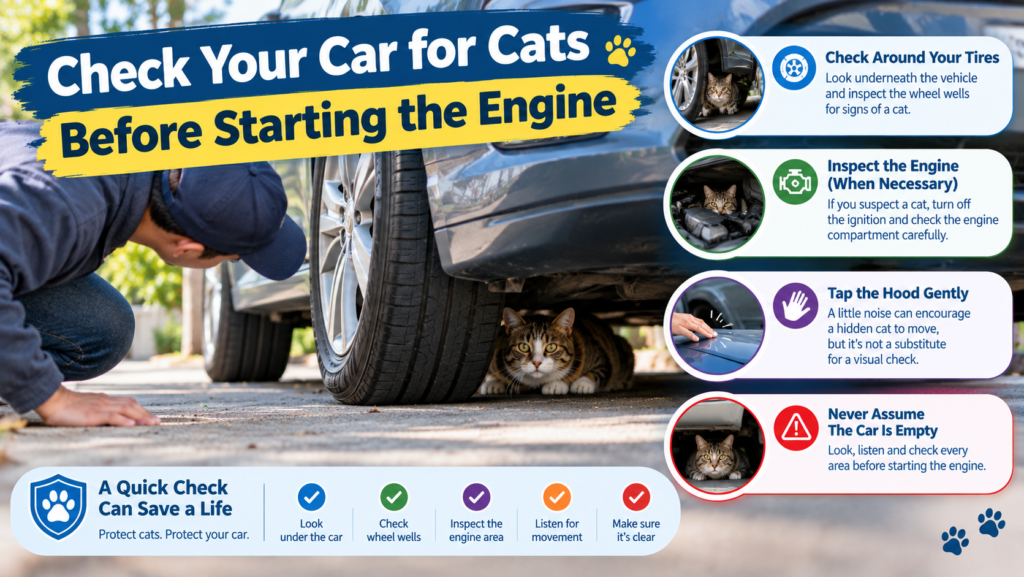
Keeping cats away from your vehicle is important, but checking for their presence before driving is equally essential. Cats sometimes hide underneath cars, inside wheel wells, or near engine compartments, especially when looking for warmth or shelter or how to keep a cat off a car.
Even if you have already taken steps to keep cats off your car, perform a quick safety inspection before starting the engine.
Inspect the Area Around Your Tires
Look underneath the vehicle and check the wheel wells for signs of an animal. Cats may crouch close to the tires or hide in sheltered spaces that are difficult to see from the driver’s seat.
If you notice a cat, give it room to leave. Do not start moving the vehicle until you are confident the animal is safely away.
Check the Engine Compartment When Necessary
Cats can sometimes climb into accessible spaces near the engine, particularly when the vehicle has recently been parked and components remain warm or how to keep a cat off a car.
If you suspect a cat is hiding under the hood, turn off the ignition and inspect the area carefully when it is safe to do so. Never touch hot engine components or moving mechanical parts.
If the animal is trapped or cannot be reached safely, contact a qualified mechanic or animal rescue professional.
Tap the Hood Gently
If neighborhood cats frequently visit your parking area, gently tapping the hood or making a little noise before starting the car may encourage a hidden animal to move or how to keep a cat off a car.
However, noise is not a substitute for a visual inspection. A frightened cat may remain hidden even after hearing sounds.
Check the surroundings carefully and listen for movement before turning on the engine.
Never Assume the Car Is Empty
Cats can hide in small spaces, and poor lighting may make them difficult to see. This is especially important during cold weather, when animals may seek sheltered locations.
Before driving:
- Look underneath the vehicle.
- Inspect the wheel wells.
- Check around the engine compartment if a cat may have entered.
- Listen for movement or unusual sounds.
- Confirm that any visible animal has moved away safely.
These precautions help reduce the risk of injury to cats and prevent unexpected problems when you start your vehicle.
What Are Cats in a Car? Understanding the Risks
The phrase “cats in a car” can refer to cats sitting on a vehicle, entering its interior, or hiding underneath or near the engine. Understanding these different situations can help owners protect both their vehicles and visiting animals.
Cats Sitting on the Hood or Roof
Cats may climb onto the hood or roof because these surfaces provide an elevated resting place. They may also enjoy the warmth remaining after a drive.
Although sitting on a car is not always dangerous, claws and dirt can potentially scratch the paint. Paw prints and loose fur may also make the vehicle dirty or how to keep a cat off a car.
A suitable car cover can reduce direct contact with the painted surface. Parking in an enclosed area can further limit access.
Cats Hiding Underneath a Vehicle
The space beneath a car may offer shelter from wind, rain, or direct sunlight. However, cats hiding near the tires or underneath the vehicle can be at risk when the car moves.
Before driving, inspect the area around the tires and underneath the vehicle. Give any cat enough time and space to move away safely.
Cats Hiding Near the Engine
Engine compartments can contain small openings where cats may attempt to hide. This is particularly concerning during cold weather.
Starting the engine while an animal is near moving belts, fans, or other mechanical components can cause serious injuries. Hot components may also burn a cat.
If you suspect an animal is trapped, avoid reaching into dangerous mechanical spaces. Seek professional assistance if you cannot safely encourage it to leave or how to keep a cat off a car.
Cats Entering the Car Interior
An open vehicle door or window can provide access to the interior. A cat may enter out of curiosity or while searching for shelter.
Close doors and windows when the vehicle is unattended, and check the cabin before driving if a cat has been nearby. Never leave a cat locked inside a parked car in potentially dangerous temperatures or how to keep a cat off a car.
Why Prevention Matters
Understanding the different ways cats interact with vehicles makes it easier to select suitable protective measures. A car cover may protect paint, while a garage can prevent access and routine inspections can reduce engine-related risks.
A combination of prevention and safety checks is more effective than relying on a single deterrent.
Additional Tips to Keep Cats Off Car Paint
Even when you use deterrents, protecting your car’s paint is worthwhile. Dirt, claws, and debris can affect the finish, particularly if a cat regularly jumps onto the vehicle.
Clean Paw Prints With Car-Safe Products
Use a car-safe cleaning solution and a soft microfiber cloth to remove paw prints and dirt. Avoid rubbing dry dirt across the paint because abrasive particles can leave fine scratches.
For stubborn marks, follow the vehicle manufacturer’s cleaning recommendations or consult a professional detailer.
Consider Paint Protection
Automotive wax, paint sealants, and paint protection films may help protect the finish against certain types of surface wear. They do not make paint completely scratch-proof, however.
Choose products appropriate for your vehicle and follow the manufacturer’s application instructions.
Avoid Rough Covers and Abrasive Materials
A dirty or rough car cover can cause scratches if it rubs against the paint. Keep the cover clean and check its inner surface for debris before using it or how to keep a cat off a car.
Similarly, avoid rough brushes or household cleaning pads that may damage the vehicle’s finish.
Combine Protection With Prevention
Paint protection works best alongside methods that reduce contact between cats and your car. Keep the parking area clean, use a suitable cover, and consider enclosed parking when available.
These measures can reduce the need for frequent cleaning and help maintain the appearance of your vehicle.
Frequently Asked Questions (FAQs)
How to Keep a Cat Off a Car Permanently?
There is no guaranteed way to stop every cat from climbing onto a car permanently. However, using a fitted car cover, parking inside a garage, removing food attractants, and applying humane deterrents can reduce unwanted visits.
Consistency is important because cats may return to familiar locations.
What Is the Best Way to Keep Cats Off Car Surfaces?
A secure car cover combined with enclosed parking is a practical starting point. If a garage is unavailable, keep the surrounding area clean and consider suitable motion-activated deterrents or how to keep a cat off a car.
Choose methods that protect your vehicle without causing harm to cats.
Does Spraying Water Keep Cats Away From Cars?
Water may discourage some cats temporarily, but others may become accustomed to it. Deliberately spraying cats at close range can also cause unnecessary stress.
A motion-activated sprinkler used safely in an appropriate outdoor area may be an option, but car covers and improved parking arrangements are often more practical or how to keep a cat off a car.
Why Do Cats Sit on Warm Car Hoods?
Cats may sit on car hoods because they provide warmth, an elevated resting place, and shelter from the weather. A recently driven vehicle may retain heat for a while.
However, hot engine components can cause burns, so cats should never be encouraged to hide near the engine.
Can Cats Damage a Car’s Paint?
Yes. A cat’s claws may scratch the paint, particularly if the animal jumps, walks, or repeatedly moves across the surface. Dirt trapped beneath paws or covers can also contribute to scratches.
A clean, well-fitted car cover and regular maintenance can help protect the finish.
How Can I Keep Neighborhood Cats Off My Car?
Start by removing food scraps and securing garbage bins. Park in a garage when possible, use a suitable car cover, and consider safe deterrents around the parking area.
Avoid toxic chemicals, painful traps, or methods that frighten cats into traffic.
Are Cats in a Car Engine Dangerous?
Yes. Cats hiding near an engine can be injured by moving mechanical parts or hot components. A vehicle may also be dangerous if it starts or moves while a cat is underneath.
Check around the car before starting the engine and seek professional help if an animal is trapped in an inaccessible area.
Conclusion: How to Keep a Cat Off a Car Safely
Learning how to keep a cat off a car can help you protect your vehicle from scratches, dirt, fur, and unwanted paw prints. The most useful strategies include using a well-fitted car cover, choosing a secure parking location, removing food attractants, and using humane deterrents.
You should also inspect your vehicle before starting the engine, particularly if neighborhood cats frequently visit your parking area. Cats may hide beneath the car or near engine components, where they can face serious risks.
Remember that no single method works in every situation. Combining practical prevention techniques with regular vehicle checks offers a better chance of keeping your car clean and reducing risks to animals or how to keep a cat off a car.
By following these seven proven tips and maintaining a safe parking environment, you can discourage unwanted visits without harming cats. Patience, consistency, and humane prevention are the keys to protecting your vehicle while allowing neighborhood animals to remain safe or how to keep a cat off a car.