


 By
Finding a wet spot beside your cat’s litter box can feel frustrating. You clean the floor, refresh the litter, and hope everything improves. Then, another accident happens in the same place. This situation can leave you confused about your cat’s behavior. You might wonder whether your cat dislikes the litter. Perhaps something about the bathroom location feels uncomfortable. Sometimes, the reason involves a medical problem requiring attention. Other times, small environmental changes can make a big difference. Understanding cat peeing beside the litter box behavior helps you find suitable solutions. Your cat isn’t doing this to annoy or punish you. There is usually an underlying reason behind these unusual bathroom habits.
Cats cannot explain when something hurts or makes them uncomfortable. Instead, they communicate through changes in their everyday behavior. Bathroom accidents can become an important warning sign. You should pay attention when your cat suddenly changes habits. Notice how often they visit the box and how much they urinate. Check whether they seem nervous, uncomfortable, or unusually quiet. These details can help you understand what might be happening. This guide explains seven common causes and practical solutions. You’ll also discover helpful prevention tips and important warning signs.
1. Hidden Health Problems That Make Urination Painful
One important reason behind unusual urination is an underlying health condition. Cats often hide pain, making early warning signs difficult to recognize. Your cat might appear normal while experiencing urinary discomfort. They may visit the litter box repeatedly without producing much urine. Sometimes, they associate the box with pain and begin avoiding it. This can explain why your cat chooses the nearby floor instead. Medical problems can also increase thirst and urine production. Therefore, cat peeing beside the litter box should never be ignored. A veterinarian can examine your cat and recommend suitable treatment.
Common Urinary Conditions That Affect Cats
Several health conditions can change your cat’s normal bathroom habits. Some cause painful urination, while others increase urine production. These conditions may also explain cat urinating outside litter box behavior.
- Bladder inflammation: This condition can cause frequent and painful urination.
- Urinary stones: Stones may irritate the bladder or block urine flow.
- Kidney disease: Kidney problems can increase thirst and urine production.
- Diabetes: Affected cats may drink more water and urinate frequently.
- Feline lower urinary tract disease: This term covers several urinary system problems.
Feline lower urinary tract disease is commonly shortened to FLUTD. It can cause blood in urine, discomfort, and repeated bathroom visits. Some cats also lick their private areas more frequently. Urinary infections are another possible cause of unusual bathroom habits. Only a veterinary examination can identify the actual problem. Never diagnose your cat using one symptom alone.
Warning Signs Every Cat Owner Should Recognize
Watch your cat closely whenever their bathroom habits change. Certain symptoms require prompt veterinary attention. Repeated visits can indicate discomfort or difficulty passing urine. You might also notice crying, unusual licking, or visible blood. Some cats become restless and struggle to find comfortable positions. Others hide because they feel unwell.
Pay attention to these warning signs:
- Repeatedly entering and leaving the litter box.
- Straining while trying to pass urine.
- Crying or showing discomfort during urination.
- Producing very small amounts of urine.
- Finding blood in the urine.
- Licking the urinary area excessively.
- Suddenly hiding or refusing food.
Important: Urinary blockage is a life-threatening emergency. Repeated straining with little or no urine needs immediate veterinary care. Male cats face a higher risk of urethral blockage. Female cats can also develop serious urinary problems. Never wait until the next day when your cat cannot urinate.
Simple Steps to Protect Your Cat’s Urinary Health
Arrange a veterinary examination when unusual urination begins suddenly. Your veterinarian may recommend urine testing and a physical examination. Blood tests or imaging might also become necessary. Treatment depends on the condition causing the problem. Never give human medicines or leftover antibiotics without veterinary advice. These products may harm your cat or delay proper treatment.
Fresh drinking water should always remain available. Some cats drink more when water bowls stay away from food. A water fountain may encourage certain cats to drink. Still, extra water cannot replace medical treatment. Monitor your cat’s bathroom habits and report unusual changes. Once medical concerns receive attention, explore possible environmental causes.
2. An Unclean Litter Box Can Push Your Cat Away
Cats have a strong sense of smell and prefer clean bathroom spaces. A tray filled with old waste can quickly become unpleasant. You might barely notice the smell, but your cat certainly might. Some cats refuse boxes containing strong urine odors. Others avoid stepping over waste from previous visits. This could explain cat peeing beside the litter box despite having access. Your cat may want to use the tray but dislike its condition. Even a familiar litter box can become uncomfortable without regular cleaning.
Why Litter Box Cleanliness Matters
Cats naturally prefer clean places for their bathroom activities. Old waste can create unpleasant smells and uncomfortable surfaces. Some cats become especially sensitive when their trays remain dirty. They may search for another place that feels cleaner. This can include rugs, bathroom floors, or nearby corners. If you wonder why is my cat peeing everywhere, check the litter box first. However, medical problems should also remain part of your investigation.
Creating a Fresh and Comfortable Bathroom Environment
Daily cleaning helps keep your cat’s bathroom fresh and inviting. Remove urine clumps and solid waste at least once daily. Some cats prefer having their trays cleaned twice daily. Replace the litter according to its type and product instructions. Wash the tray regularly using mild, unscented soap. Rinse it thoroughly before adding fresh litter. Avoid strong perfumes and harsh cleaning chemicals. These smells may discourage your cat from using the tray.
Try these simple cleaning habits:
- Scoop urine clumps and solid waste every day.
- Wash the litter tray regularly.
- Replace old litter when necessary.
- Avoid heavily scented cleaning products.
- Keep the surrounding floor clean and dry.
- Check the tray for cracks and trapped odors.
- Use suitable cleaners for previous urine accidents.
Remember, cleanliness isn’t only about removing visible waste. Lingering smells can also make the bathroom uncomfortable. An enzymatic cleaner can help remove urine odors from nearby surfaces. Ordinary household cleaners may not remove every odor completely. Clean affected areas carefully and follow product instructions. This can reduce the chance of repeated accidents in familiar spots.
Building a Regular Cleaning Routine
A simple schedule makes litter box maintenance easier. Check the tray every morning and remove visible waste. Give it another quick check during the evening. Wash the complete tray regularly according to its condition. Replace damaged boxes because scratches can hold unpleasant odors. Keep cleaning supplies nearby to make maintenance convenient. Consistency can encourage your cat to use its bathroom comfortably.
3. The Wrong Cat Litter Can Create Bathroom Problems
Have you recently changed your cat’s litter brand or texture? This small change might explain your cat’s unusual bathroom behavior. Cats can develop strong preferences for certain litter textures. Some enjoy soft, fine-grained litter beneath their paws. Others dislike rough, scented, or heavily perfumed products. A sudden switch can make the tray feel unfamiliar. Your cat may approach the box but refuse to enter. They might then urinate on the nearby floor instead. This is another possible reason for cat peeing beside the litter box. Sometimes, changing the litter back solves the problem.
Texture and Fragrance Preferences Matter
Most cats prefer soft, unscented, and comfortable litter. Clumping litter is popular because daily cleaning becomes easier. Still, every cat has individual preferences and habits. Your cat’s comfort matters more than choosing expensive products. Avoid assuming strong fragrance means better cleanliness. Some scented products can make sensitive cats uncomfortable. Rough textures may also bother cats with sensitive paws. Watch your cat’s reaction whenever you introduce another product.
Choosing Comfortable Litter for Everyday Use
Look for litter that feels comfortable beneath your cat’s paws. Unscented options are often a sensible starting point. Consider the amount of dust and how easily waste clumps. Some cats prefer fine-grained products over larger pellets. Others may accept different textures without difficulty. There isn’t one perfect litter choice for every cat. Observe your pet instead of relying only on advertisements.
Introducing Litter Changes Gradually
Make litter changes slowly instead of replacing everything immediately. Start by mixing a small amount of new litter. Gradually increase the new litter over several days. Watch your cat’s reaction during this transition. If your cat avoids the tray, reconsider the product. You can also offer two separate trays temporarily. Fill each tray with a different litter type. This helps you discover your cat’s preference without forcing changes.
Avoid changing litter, tray location, and cleaning products together. Too many changes can make the actual problem difficult to identify. Introduce one adjustment and observe your cat’s response. If accidents continue, consider other medical or environmental reasons. A veterinarian can help when unusual urination persists.
4. An Uncomfortable Litter Box Location Can Cause Accidents
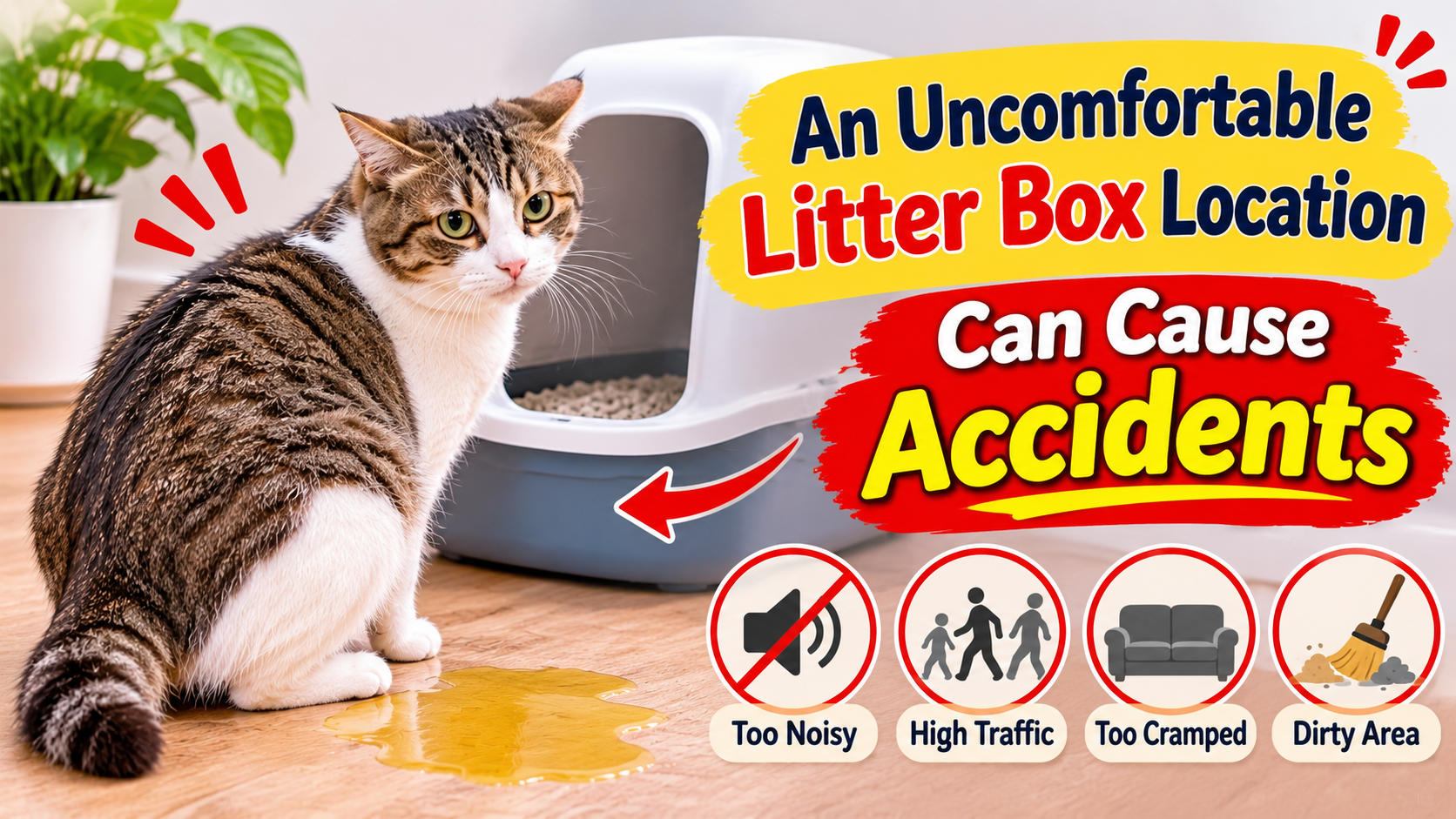
The location of your cat’s bathroom can affect their comfort. Cats generally prefer quiet places with easy access. A tray beside loud appliances may feel frightening. Washing machines, busy hallways, and noisy doors can create stress. Some cats also dislike boxes placed near their food. They prefer separate spaces for eating and bathroom activities. If your cat feels unsafe, they may choose another spot. This can contribute to cat peeing beside the litter box. The problem may involve location rather than the litter itself.
Noise and Privacy Problems Around the Litter Box
Cats need a bathroom area where they feel secure. Loud household activities can interrupt their bathroom routine. A washing machine may suddenly make frightening noises. Busy hallways can also make some cats feel exposed. Other pets may approach and disturb them during bathroom visits. These experiences can encourage litter box avoidance. A quiet location can make your cat feel more comfortable.
Finding a Suitable Bathroom Location
Choose a quiet area where your cat feels safe. Make sure your cat can reach it without obstacles. Avoid locations that become noisy during household activities. Keep the tray away from food and water bowls. Provide enough privacy without making access difficult. Older cats need especially convenient bathroom arrangements. A quiet corner with easy access is often suitable.
Making Bathroom Access Easier
Your cat should never need to cross uncomfortable obstacles. Keep doors open when they lead to the litter area. Avoid placing trays behind heavy furniture or closed doors. Consider lower entrances for cats with mobility difficulties. If you have multiple floors, provide accessible trays. These changes can make bathroom visits easier and safer.
Move the litter box gradually whenever possible. Sudden changes can confuse cats and interrupt familiar routines. If the original location is unsafe, choose another quiet area. Show your cat the new location calmly. Keep the surrounding environment familiar during this transition. Avoid repeatedly moving the tray around your home.
5. Too Few Litter Boxes Can Create Competition
Sharing one litter box can become uncomfortable in multi-cat households. Some cats dislike sharing their bathroom with other pets. A confident cat might block another cat’s access. This can leave a nervous cat searching for another spot. Even friendly cats sometimes prefer separate litter boxes. Limited access can contribute to cat peeing beside the litter box. Your cat needs a clean and comfortable place whenever necessary. Providing additional trays can reduce competition and improve bathroom habits.
The One-Plus-One Litter Box Rule
A commonly recommended guideline is one box per cat, plus one extra. For example, two cats should have three litter boxes. Three cats generally need four separate boxes. This guideline gives cats more choices and reduces competition. Place the boxes in different accessible locations. Avoid putting every tray directly beside another. Several boxes together may feel like one shared bathroom area.
Managing Multiple Cats Without Bathroom Conflicts
Pay attention to how your cats behave around each other. Hissing, chasing, and guarding can create bathroom anxiety. Some cats need additional hiding places and quiet resting spots. Never force cats to share one uncomfortable space. A peaceful environment can make bathroom habits more predictable. Observe each cat to identify possible conflicts.
Try these helpful arrangements:
- Give every cat comfortable bathroom access.
- Place litter boxes in separate areas.
- Avoid locations where another cat can block access.
- Clean every tray regularly.
- Watch for bullying or territorial behavior.
- Provide separate resting and feeding spaces.
- Make sure shy cats have safe escape routes.
Preventing Competition Around Essential Resources
Litter boxes aren’t the only resources cats may compete over. Food bowls, water stations, sleeping areas, and scratching posts matter too. Provide several options throughout your home. This helps reduce competition and gives every cat choices. Watch whether one cat follows another around the house. Repeated chasing can make nervous cats avoid certain areas. Give each pet a comfortable space for resting and eating.
If cats are peeing everywhere, hidden conflicts might be contributing. However, this behavior can also have medical causes. Never assume another cat is responsible without checking. Observe their interactions and discuss persistent problems with your veterinarian.
6. Stress and Anxiety Can Change Your Cat’s Bathroom Habits
Cats enjoy familiar surroundings and predictable daily routines. Even small household changes can make some cats uncomfortable. Moving furniture or welcoming a new pet can cause anxiety. Visitors, construction noise, and schedule changes may also create stress. Outdoor cats near windows can trigger territorial concerns. Some cats respond by hiding or changing bathroom habits. Others begin urinating on carpets, clothes, or nearby floors. This helps explain cat peeing beside the litter box in some households. Your cat may need reassurance and a more peaceful environment.
Common Household Stress Triggers
Several everyday situations can make cats feel uncomfortable. Moving to another home can interrupt their familiar routine. New furniture may change their usual hiding places. Visitors can introduce unfamiliar sounds and smells. A new baby or pet may also require adjustment. Even changes in feeding schedules can affect sensitive cats.
Outdoor animals can create another source of stress. Your cat might notice unfamiliar cats through windows. They may feel threatened by these unexpected visitors. Some cats respond through hiding or territorial marking. Others begin avoiding their normal bathroom area. Recognizing possible triggers helps you plan suitable changes.
Recognizing Anxiety Through Everyday Behavior
Stress doesn’t always look like fear or hiding. Some cats show subtle changes in their normal behavior. Watch for these possible signs:
- Hiding more frequently than usual.
- Eating less or avoiding meals.
- Excessive grooming or licking.
- Becoming unusually aggressive or nervous.
- Avoiding family members or other pets.
- Urinating outside the litter box.
- Spending more time alone.
- Losing interest in familiar activities.
These signs don’t prove anxiety by themselves. Medical conditions can produce similar changes. A veterinarian should assess sudden or unusual symptoms. This prevents behavioral explanations from hiding physical problems.
Creating a Peaceful and Comfortable Environment
Start by keeping feeding and playtime schedules consistent. Give your cat comfortable hiding places and quiet resting areas. Provide scratching posts and interesting toys for daily activities. Introduce new pets slowly and supervise early interactions. Avoid sudden changes whenever possible. You can discuss feline pheromone products with your veterinarian. These products may help some cats feel more comfortable. Never punish a frightened cat for having an accident.
Give your cat enough attention without forcing interaction. Some cats enjoy cuddles, while others prefer personal space. Let your pet choose when to approach you. Regular play can also provide healthy mental stimulation. Patience and a safe environment can support better bathroom habits.
7. Territorial Marking Can Lead to Unexpected Urine Spots
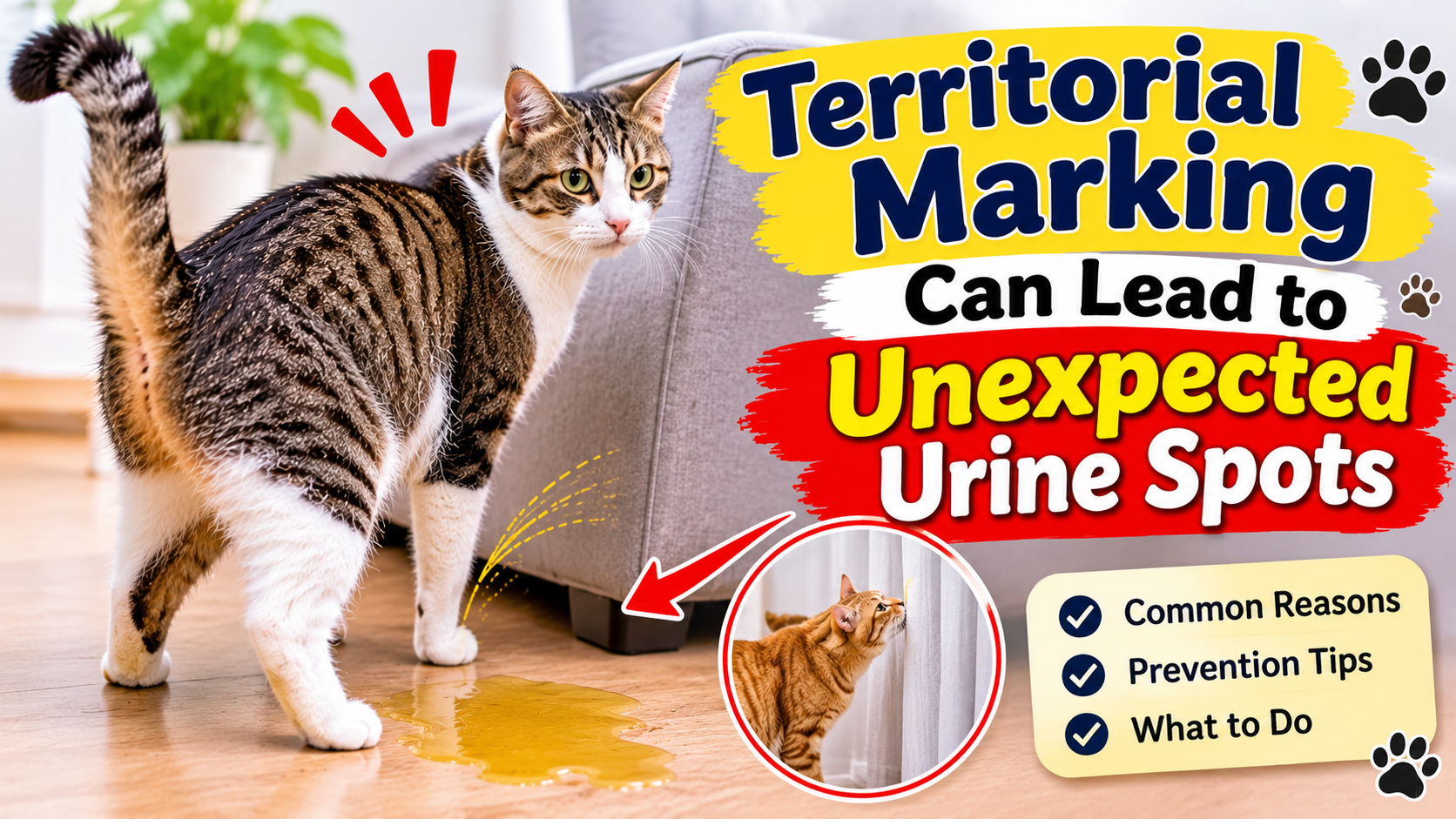
Sometimes, cat peeing beside the litter box isn’t ordinary urination. Your cat might be marking territory instead. Cats use urine to communicate information about their surroundings. This behavior is called urine spraying or scent marking. It can happen when cats feel threatened or uncertain. A new pet may make your cat feel territorial. Unfamiliar outdoor cats can also trigger marking behavior. Unneutered cats may spray more frequently around other cats. Still, neutered cats can display this behavior too.
Spraying Versus Normal Urination
Spraying usually looks different from normal bathroom behavior. Your cat often stands instead of squatting. They may raise their tail and make it quiver. Small amounts of urine usually land on vertical surfaces. These surfaces can include walls, doors, curtains, and furniture. Regular urination usually creates a larger puddle on horizontal surfaces. Some cats also mark horizontal surfaces, so appearance isn’t conclusive. A veterinary examination can help rule out medical problems.
Common Territorial Triggers
Cats may mark areas when their surroundings feel uncertain. A new animal can make your cat feel threatened. Unfamiliar outdoor cats can also trigger territorial responses. Changes in household relationships may contribute too. Some cats mark objects carrying unfamiliar smells. These behaviors are communication signals, not deliberate revenge.
Reducing Unwanted Territorial Marking
First, identify anything making your cat feel threatened. Watch for unfamiliar animals near doors and windows. Block stressful views when outdoor cats regularly visit. Provide separate resources for cats sharing your home. These resources include food bowls, water, resting areas, and litter trays. Discuss spaying or neutering with your veterinarian when appropriate. These procedures can reduce hormone-related marking in many cats. Never assume marking is simply bad behavior. Stress and medical problems may still require attention.
Other Common Cat Urination Problems and Their Possible Causes
Cat owners sometimes notice accidents in unexpected places. These situations can create additional cleaning challenges. They may also help explain why is my cat peeing everywhere despite having a litter box.
Female Cats and Unexpected Urination
If you’re asking why is my female cat peeing everywhere, begin with her health. Female cats can develop bladder inflammation and other urinary conditions. They may also experience stress or litter box discomfort. Spaying does not prevent every urinary or behavioral problem. Watch for repeated attempts, blood, or signs of pain. Arrange a veterinary examination when these symptoms appear.
Urine Accidents on Clothes
Some owners wonder, why did my cat pee on my clothes instead of using the tray? Clothing may carry familiar human scents. Soft piles of laundry can also feel comfortable beneath paws. Stress, medical problems, and litter box preferences may contribute. If your cat is peeing on clothing, keep laundry baskets covered. Store clean clothes in drawers or closed cupboards. Clean affected items with suitable products that remove urine odors. Avoid punishment because it can increase anxiety.
Urine Accidents on Beds
A bed is soft, absorbent, and often carries familiar smells. These features may attract a stressed or uncomfortable cat. If you’re considering cat urinating on bed how to stop, first investigate possible medical causes. Keep bedroom doors closed temporarily when necessary. Wash affected bedding with an appropriate enzymatic cleaner. Provide an accessible litter box in a quiet location. Avoid using punishment or frightening deterrents. A veterinarian can help identify persistent bathroom problems.
Understanding Repeated Accidents Around the Home
When cats peeing everywhere becomes a repeated problem, look for patterns. Notice which rooms your cat chooses and when accidents happen. Check whether the accidents follow household changes. Also consider whether your cat struggles to reach the tray. These observations can help your veterinarian understand the situation.
8 Practical Ways to Prevent Future Litter Box Accidents
Preventing accidents starts with understanding your cat’s needs. No single solution works for every cat. A combination of medical care and environmental changes may help. Try these practical steps to encourage healthy bathroom habits.
- Schedule a veterinary examination: Rule out urinary and other medical conditions first.
- Clean the litter box daily: Remove waste and maintain a fresh bathroom area.
- Choose comfortable litter: Offer unscented litter with a texture your cat accepts.
- Provide enough litter boxes: Follow the one-box-per-cat-plus-one guideline.
- Choose quiet locations: Keep trays accessible and away from loud appliances.
- Reduce household stress: Maintain routines and provide safe resting spaces.
- Remove urine odors: Use suitable enzymatic cleaners on affected surfaces.
- Observe bathroom habits: Record changes and share them with your veterinarian.
These steps can help when cat peeing beside the litter box happens repeatedly. Still, don’t rely on home adjustments when your cat shows pain. Sudden urination changes deserve proper veterinary attention. Your cat may need treatment before environmental changes can help.
Important Warning Signs That Need Veterinary Attention

Some litter box problems need more than household changes. A veterinary examination is important when unusual urination begins. Early attention can prevent certain conditions from becoming serious. It also helps your cat receive suitable treatment sooner.
Contact your veterinarian if you notice:
- Repeated attempts to urinate.
- Blood in the urine.
- Crying or discomfort during urination.
- More frequent bathroom visits.
- Increased thirst or unusually large urine amounts.
- Urinating outside the box without an obvious reason.
- Excessive licking around the urinary area.
- Sudden changes in appetite or normal activity.
Seek emergency care if your cat repeatedly strains but produces little urine. Passing no urine can indicate a dangerous urinary blockage. Vomiting, weakness, and severe discomfort make the situation more urgent. Do not wait for additional symptoms to appear. Never try pressing your cat’s abdomen to release urine. Only a veterinary professional should assess and treat this emergency.
Frequently Asked Questions About Cat Litter Box Problems
Why Does My Cat Pee Outside the Litter Box Suddenly?
If you’re wondering, why does my cat pee outside the litter box, consider health problems first. Sudden accidents may indicate urinary discomfort or another medical condition. Dirty litter, stress, and environmental changes are other possibilities. A veterinary examination can help identify the actual cause.
Why Is My Cat Peeing Beside the Litter Box but Still Pooping Inside?
This behavior can happen when urination becomes painful or uncomfortable. Your cat might associate urinating with discomfort inside the box. They may still feel comfortable using it for bowel movements. Litter preferences and stress can also contribute.
Why Is My Cat Peeing Over the Edge of the Litter Box?
Some cats pee over the edge because their boxes are too small. High-sided trays can also create problems for certain cats. Older cats may struggle with movement or uncomfortable entry points. A larger tray with an accessible entrance may help.
Why Is My Female Cat Peeing Everywhere?
When why is my female cat peeing everywhere becomes a concern, arrange a veterinary checkup. Bladder inflammation, urinary stones, and other conditions can affect female cats. Stress and litter box problems may also contribute. Don’t assume the behavior is simply a habit.
Why Did My Cat Pee on My Clothes?
If you’re wondering why did my cat pee on my clothes, consider several possible causes. Familiar scents, soft fabrics, stress, and urinary discomfort may contribute. Keep laundry off the floor and clean accidents thoroughly. Arrange a veterinary checkup if the behavior continues.
How Can I Stop My Cat From Peeing on the Bed?
If you’re searching for cat urinating on bed how to stop, start with medical checks. Clean bedding thoroughly and temporarily restrict bedroom access. Make sure your cat has a clean, accessible litter box. Address stress and other environmental problems too.
Can Stress Make Cats Pee Everywhere?
Yes, stress can contribute to inappropriate urination in cats. Moving homes, new pets, and household conflicts may trigger changes. Some cats also react to unfamiliar outdoor animals. However, medical conditions should be ruled out first.
Conclusion:
Seeing your cat pee beside the litter box can feel frustrating. Still, this behavior usually has an understandable reason. Medical problems, stress, dirty litter, and uncomfortable boxes can contribute. Identifying the cause is the most important first step. A veterinary examination should come first when accidents begin suddenly. Afterward, improve cleanliness, accessibility, and your cat’s daily environment. Avoid punishment because it can increase fear and anxiety. Give your cat time to adjust to helpful changes. Your patience and attention can make a meaningful difference. With proper care, many cats develop healthier bathroom habits. Your goal is a comfortable home and a happy, healthy cat.