

 By
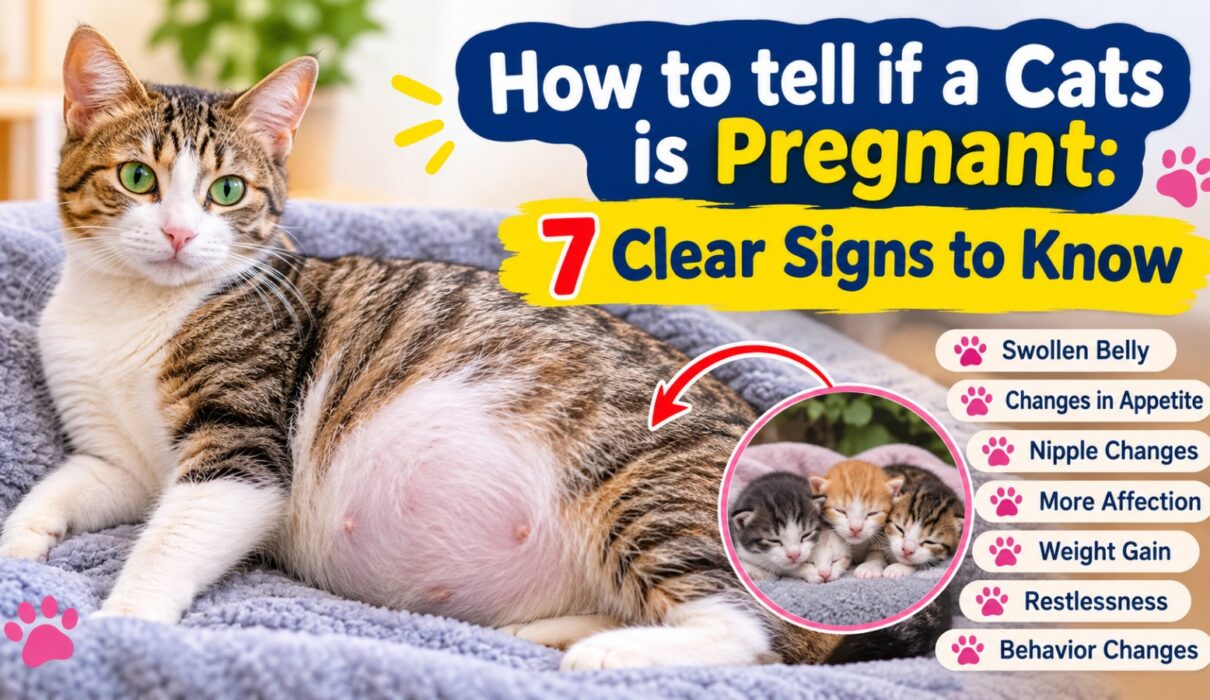
A cat pregnancy can bring exciting changes for every pet owner. Yet, recognizing those changes isn’t always easy. Early symptoms may look similar to ordinary health or behavior changes. If you suspect your cat is expecting kittens, start observing her carefully. Changes in appetite, body shape, nipples, and daily habits can offer useful clues. These signs become more noticeable as pregnancy progresses.
Learning how to tell if cat is pregnant helps you provide timely care. It also prepares you for the arrival of new kittens. Some cats show clear physical changes, while others display subtle symptoms. This guide explains seven important pregnancy signs in cats. You’ll also learn about pregnancy duration, early symptoms, veterinary checks, and home care. Let’s explore what to watch for during this special time.
1. Pink and Enlarged Nipples Are an Early Pregnancy Sign
One of the earliest physical clues involves changes around your cat’s nipples. This change is commonly called pinking up. It often appears during the first few weeks of pregnancy. Your cat’s nipples may become more noticeable and slightly enlarged. Their color can also change from pale to pink. These changes happen as her body prepares for nursing.
When Do a Cat’s Nipples Change During Pregnancy?
Nipple changes may become noticeable around 15 to 18 days after mating. The surrounding fur may also become thinner. This makes the nipples easier to see. Not every pregnant cat shows these changes at the same time. First-time mothers may display more noticeable nipple changes. Individual differences can affect their appearance.
How to Recognize This Pregnancy Clue
Look for these changes when observing your cat:
-
Nipples appear pinker than usual.
-
The nipples become slightly larger.
-
Surrounding fur looks thinner.
-
Nipples become easier to notice.
Avoid pressing or squeezing your cat’s nipples. Unnecessary handling can cause discomfort. Compare their appearance gently without disturbing her.
2. Your Cat’s Appetite May Increase Noticeably
Changes in eating habits can provide another useful pregnancy clue. Pregnant cats often need more energy to support developing kittens. Their appetite may gradually increase as pregnancy progresses. You might notice your cat asking for food more frequently. She may also finish meals faster than usual. Some cats begin showing stronger interest in their favorite foods.
Why Do Pregnant Cats Eat More?
Growing kittens require nutrients for healthy development. Your cat also needs additional energy for her changing body. This increases her nutritional requirements. During early pregnancy, appetite changes may remain quite subtle. Later, your cat may need noticeably larger portions. Her nutritional needs continue changing throughout pregnancy.
What Should You Feed an Expecting Cat?
A complete and balanced kitten food can support pregnancy. Kitten formulas usually provide additional calories and essential nutrients. Choose a high-quality product recommended by your veterinarian.
Consider these feeding practices:
-
Offer several small meals throughout the day.
-
Provide fresh drinking water constantly.
-
Choose nutritionally complete kitten food.
-
Monitor her appetite and body condition.
-
Avoid sudden changes in her diet.
Some pregnant cats experience temporary nausea or reduced appetite. Persistent vomiting or refusal to eat requires veterinary attention. Never assume every eating change indicates pregnancy.
3. A Rounded Belly Becomes More Noticeable
A gradually enlarging belly is another recognizable pregnancy sign. This change usually becomes clearer as kittens develop. Your cat’s abdomen may look rounder from the sides. Early pregnancy rarely produces an obvious belly. Physical changes become easier to notice during later weeks. Her body may also gain weight gradually.
When Does a Pregnant Cat’s Belly Start Showing?
Many cats develop a noticeable abdominal enlargement around weeks five or six. The exact timing depends on several factors. Litter size, body condition, and individual differences all matter. Cats carrying several kittens may develop larger-looking bellies. A smaller litter might produce less obvious changes. Therefore, belly size cannot reliably reveal kitten numbers.
Pregnancy Belly or Ordinary Weight Gain?
It can be difficult to distinguish pregnancy from general weight gain. Other physical signs can help you understand the difference.
4. Morning Sickness or Vomiting May Occur
Some cats experience mild nausea during early pregnancy. This may lead to occasional vomiting or reduced interest in food. Hormonal changes can contribute to these symptoms. Not every expecting cat experiences morning sickness. Some continue eating normally throughout pregnancy. Others show temporary changes in their usual eating patterns.
How Does Pregnancy-Related Vomiting Look?
Mild nausea may appear during the early stages. Your cat might eat less for a short period. She may also become less interested in certain foods. Pay attention to the frequency and severity of vomiting. Repeated vomiting is not something to ignore. It can indicate illness, dehydration, or another medical problem.
When Should You Contact a Veterinarian?
Seek veterinary advice if your cat experiences:
-
Frequent or persistent vomiting.
-
Blood in vomit.
-
Severe weakness or unusual lethargy.
-
Refusal to eat or drink.
-
Signs of dehydration.
-
Pain or noticeable abdominal discomfort.
Do not give human nausea medicines without veterinary guidance. Some medications can be dangerous for cats. A veterinarian can identify the actual cause.
5. Your Cat May Become More Affectionate or Withdrawn

Pregnancy can influence your cat’s everyday behavior. Hormonal changes may affect her mood and social preferences. Some cats become more affectionate, while others prefer quiet spaces. You might notice her following you around more frequently. She may also seek additional attention and physical contact. These behavioral shifts can become more noticeable over time.
Common Behavioral Changes During Cat Pregnancy
Every cat responds differently to pregnancy. Some noticeable changes include:
-
Seeking more attention from family members.
-
Sleeping longer than usual.
-
Spending more time in quiet places.
-
Showing less interest in active play.
-
Becoming protective of favorite resting spots.
Some cats become less comfortable around visitors. Others prefer staying close to familiar people. Respect these changes and allow your cat to choose comfortable spaces.
Can Behavior Alone Confirm Pregnancy?
No, behavioral changes cannot confirm pregnancy. Stress, illness, environmental changes, and normal personality differences can cause similar reactions. Observe these signs alongside physical changes. A combination of symptoms provides stronger reasons to arrange veterinary testing.
6. Nesting Behavior May Start Before Delivery
Nesting behavior is another important clue during cat pregnancy. Your cat may begin searching for quiet, comfortable places. She might explore cupboards, closets, boxes, or hidden corners. This behavior usually becomes more noticeable during the final pregnancy weeks. Your cat wants a peaceful place for delivering her kittens. She may also prefer familiar surroundings.
Why Do Pregnant Cats Start Nesting?
Nesting comes from natural maternal instincts. Cats instinctively search for protected places before giving birth. A quiet environment helps them feel secure during labor. Your cat might carry soft materials into her chosen location. She may also scratch blankets or rearrange bedding. These actions help create a comfortable birthing space.
How Can You Recognize Nesting Behavior?
Watch for these common changes:
-
Exploring quiet corners around your home.
-
Spending more time inside boxes.
-
Scratching or arranging soft blankets.
-
Hiding inside closets or cupboards.
-
Returning repeatedly to one resting place.
Nesting behavior can also happen without pregnancy. Cats sometimes choose hidden spaces simply because they feel comfortable there.
How to Prepare a Comfortable Nesting Area
You can make this stage easier by preparing a suitable nesting box. Choose a quiet location away from household noise. A large cardboard box can work well. Add clean towels or soft washable blankets. Make sure the sides provide enough privacy. Keep food, water, and a litter tray nearby. Avoid forcing your cat to use the prepared box. She should feel comfortable choosing her preferred location. Keep the area warm, clean, and undisturbed.
7. Your Cat’s Weight and Body Shape Will Change
Weight gain is another physical change associated with pregnancy. Your cat gradually gains weight as her kittens develop. Her abdomen becomes fuller, and her overall body shape may change. These changes are usually more noticeable during the second half of pregnancy. The amount of weight gained varies between individual cats. Litter size, nutrition, and starting body condition influence the difference.
How Much Weight Does a Pregnant Cat Gain?
There isn’t one exact weight-gain amount for every pregnant cat. Some gain more than others because of litter size. Your veterinarian can monitor healthy weight changes during examinations. Avoid trying to increase your cat’s weight too quickly. Excessive weight gain can create additional health problems. Balanced nutrition and regular monitoring are more important.
How to Monitor Your Cat’s Weight Safely
You can follow a few simple steps:
-
Weigh your cat regularly using a suitable pet scale.
-
Record her weight in a notebook.
-
Monitor changes in appetite and activity.
-
Follow your veterinarian’s feeding recommendations.
-
Report sudden weight changes during appointments.
Never place your cat on a restrictive diet during pregnancy. Growing kittens need sufficient nutrients for development. Discuss any weight concerns with your veterinarian.
How Long Are Cats Pregnant?
Understanding pregnancy duration helps you recognize important developmental stages. Most cats remain pregnant for approximately 63–65 days. This equals around nine weeks from conception. The normal range can vary between individual cats. Some pregnancies last slightly shorter or longer. Your veterinarian can help estimate the expected delivery date. The cat gestation period is relatively short compared with many other mammals. During this time, kittens develop rapidly inside the mother’s uterus.
Cat Pregnancy Timeline: Week by Week
Each pregnancy week brings different physical and developmental changes. Knowing the timeline helps owners understand what happens next.
Weeks 1–3: Early Development
Fertilized eggs travel toward the uterus and begin developing. Your cat may show very few visible symptoms. Some cats experience appetite changes or pinker nipples. This is when early cat pregnancy symptoms may first become noticeable. Physical signs are often subtle during this period. Veterinary confirmation can help avoid uncertainty.
Weeks 4–6: Visible Physical Changes
Kittens continue growing inside the uterus. Your cat’s abdomen gradually becomes rounder. Her appetite may also increase to support their development. You may notice more sleeping and reduced activity. Some cats become especially interested in comfortable resting areas. Their body shape becomes easier to recognize.
Weeks 7–9: Preparing for Delivery
The kittens develop further and prepare for birth. Your cat may spend more time resting. Nesting behavior often becomes stronger during these final weeks. Her mammary glands may become more noticeable. She may also seek privacy and familiar surroundings. Prepare her nesting area before labor begins.
How Long Do Cats Stay Pregnant After Mating?
Pregnancy generally lasts around nine weeks after successful conception. Exact timing depends on when fertilization occurs. Mating dates do not always provide a precise conception date. If you know when mating happened, share that information with your veterinarian. They can estimate the likely delivery window. This helps you prepare for the upcoming birth.
How Can You Tell If Your Kitten Is Pregnant?
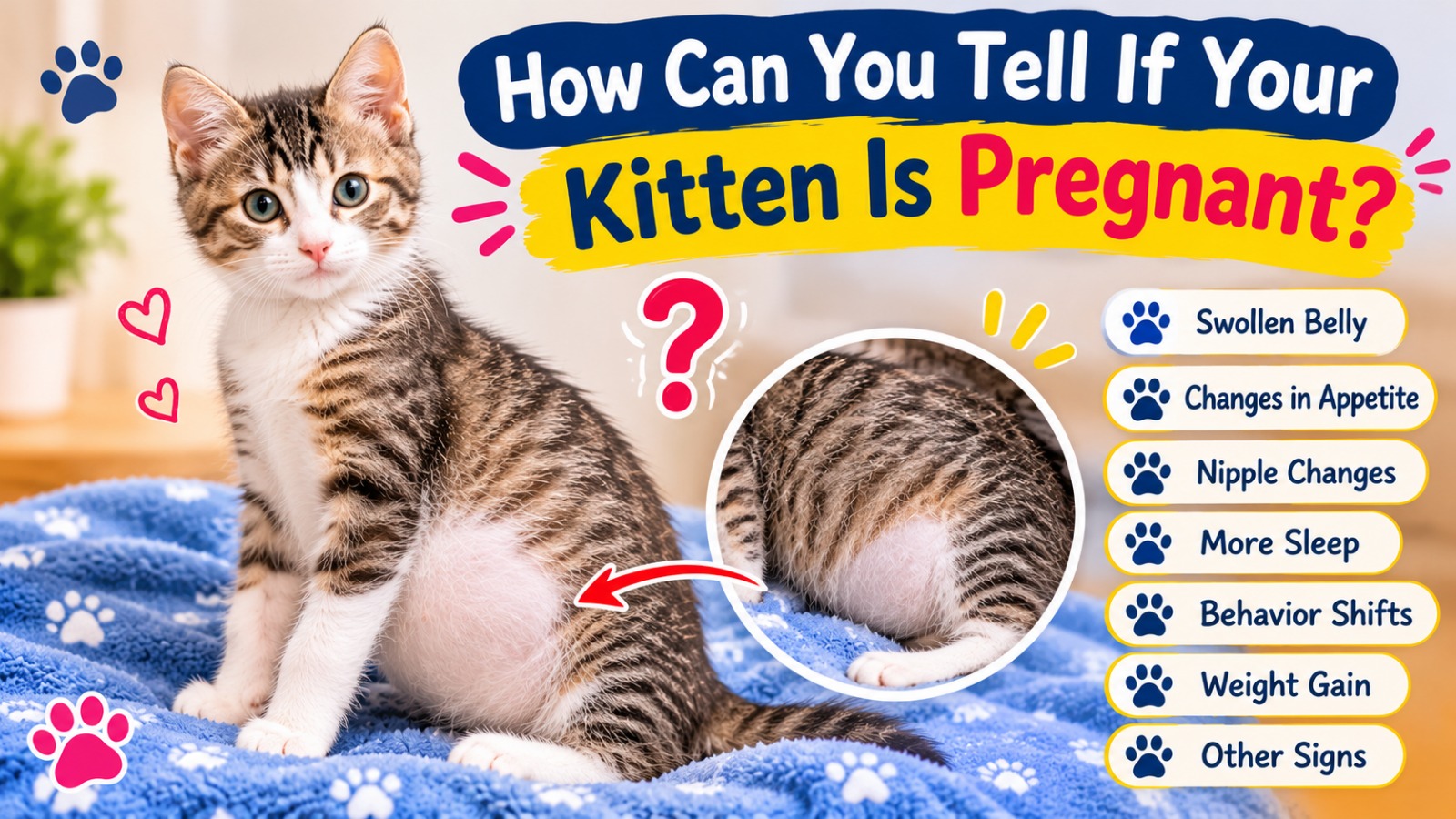
Young female cats can become pregnant earlier than many owners expect. Some reach sexual maturity around four to six months. The exact age varies between breeds and individual cats. If your young cat has been around an unneutered male, pregnancy is possible. You should watch for physical and behavioral changes. Arrange veterinary advice if you suspect mating occurred.
Common Pregnancy Clues in Young Cats
The signs are generally similar to those seen in adult cats. You might notice pinker nipples, appetite changes, and gradual weight gain. Some young cats may show fewer obvious symptoms. Their smaller body size can also make changes harder to recognize. Knowing how can you tell if your kitten is pregnant starts with observing these changes. A veterinarian can confirm pregnancy through an appropriate examination.
Why Early Veterinary Advice Matters
Pregnancy can place additional nutritional and physical demands on young cats. Their bodies may still be developing themselves. Professional monitoring helps identify potential complications. Discuss feeding, parasite prevention, and vaccination plans with your veterinarian. Never administer medication without checking its pregnancy safety.
How to Confirm Your Cat’s Pregnancy
Physical symptoms can suggest pregnancy, but they cannot provide certainty. Several medical conditions can cause similar changes. Veterinary examinations offer a safer way to confirm pregnancy. If you’re wondering how to tell if cat is pregnant, professional testing is the most reliable approach.
Veterinary Physical Examination
A veterinarian may gently examine your cat’s abdomen. They look for physical changes associated with pregnancy. This examination requires professional experience and careful handling. Never attempt abdominal palpation yourself. Pressing the belly can cause discomfort or injury. Let a trained professional perform the examination.
Ultrasound Examination
Ultrasound can help identify developing kittens inside the uterus. It may also help assess fetal development and viability. Your veterinarian will recommend suitable examination timing.
X-rays During Later Pregnancy
X-rays can help identify kitten numbers during later pregnancy. Their skeletons become visible after sufficient bone development. Veterinarians may use this information when planning delivery care.
Why Home Pregnancy Tests Are Not Reliable
Human pregnancy tests cannot confirm pregnancy in cats. Cats have different reproductive hormones from humans. Avoid relying on online home-testing methods. A veterinary examination provides more dependable information. It also helps identify conditions that may resemble pregnancy.
Caring for Your Pregnant Cat at Home
Pregnancy requires extra attention, patience, and proper nutrition. Your cat needs a comfortable environment throughout these weeks. Small changes in daily care can make a difference. Once you understand how to tell if cat is pregnant, focus on keeping her healthy. Regular veterinary guidance and balanced meals support maternal health.
1. Provide High-Quality Nutrition
Pregnant cats need additional calories and essential nutrients. Choose complete kitten food after discussing dietary changes with your veterinarian. Offer smaller meals throughout the day. Keep clean drinking water available at all times. Avoid unnecessary supplements unless your veterinarian recommends them.
2. Create a Peaceful Environment
Your cat needs a comfortable place for resting. Choose an area away from loud noises and busy household activities. Provide soft bedding and maintain a comfortable temperature. Keep other pets from disturbing her resting space. Allow her to move around freely.
3. Maintain Gentle Daily Activity
Light movement can help your cat remain comfortable. Encourage normal activities without forcing exercise. Avoid rough play, jumping challenges, or stressful situations. Give her enough space to rest whenever needed. Respect her changing energy levels throughout pregnancy.
4. Schedule Regular Veterinary Visits
Veterinary appointments help monitor your cat’s pregnancy. Your veterinarian can assess her health and developing kittens. Discuss parasite prevention and vaccination requirements. Some treatments may not be suitable during pregnancy. Never use flea products or medications without professional advice.
5. Keep Her Litter Area Clean
A clean litter box supports everyday comfort. Remove waste regularly and replace litter when necessary. Place the litter box somewhere quiet and accessible. Avoid strong fragrances and sudden litter changes. Good hygiene also helps you monitor unusual changes in urination.
Signs Your Cat Is Getting Ready to Give Birth
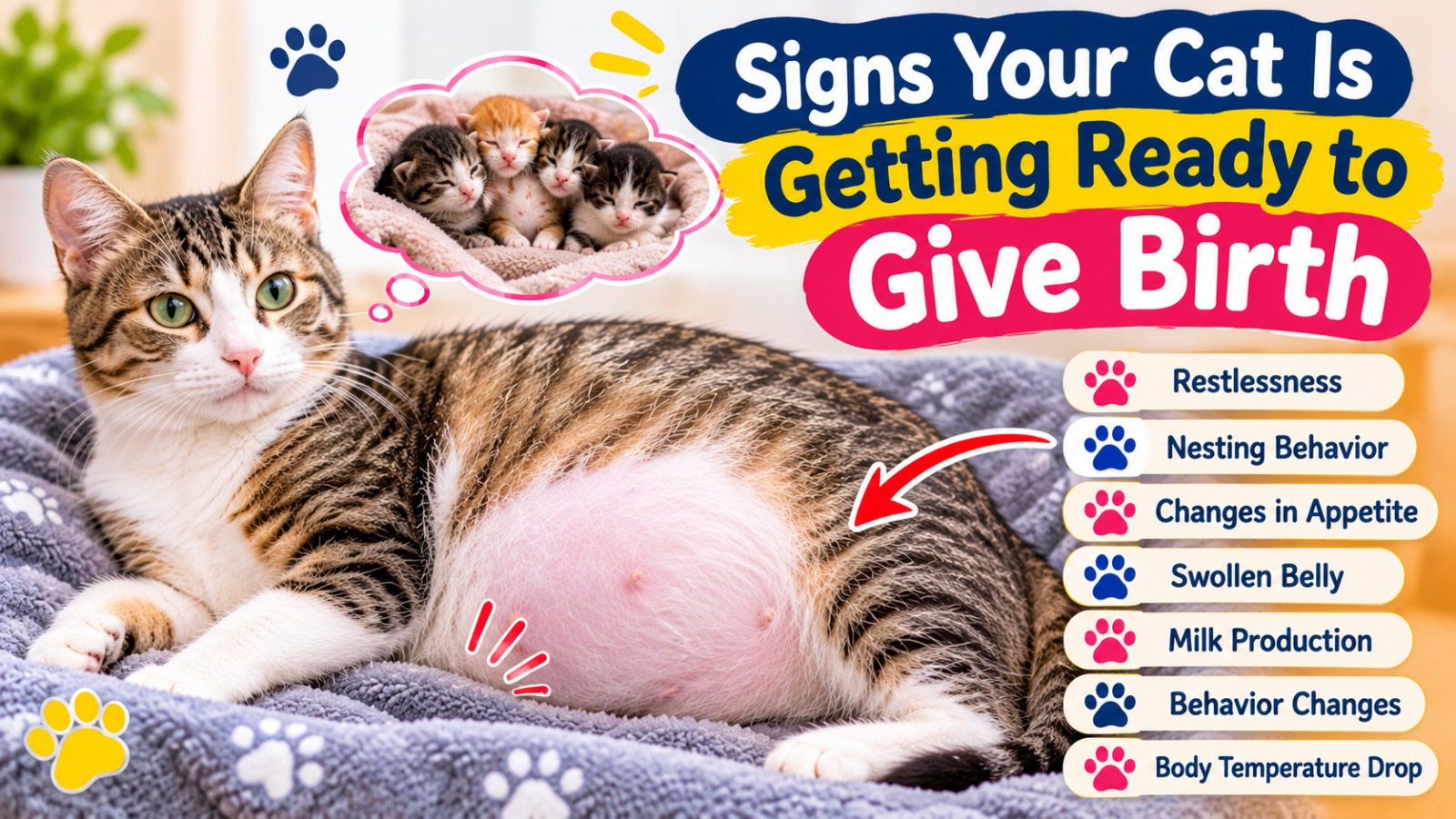
As delivery approaches, your cat may display several noticeable changes. These signs often appear during the final pregnancy days.
Watch for the following behaviors:
-
Increased interest in her nesting area.
-
Restlessness and frequent position changes.
-
Reduced appetite shortly before labor.
-
Excessive grooming around her genital area.
-
Seeking privacy or additional attention.
-
Changes in vocalization and general behavior.
Some cats become quieter before delivery. Others may become restless and unusually vocal. Every mother cat responds differently.
What Should You Prepare Before Labor?
Prepare a clean nesting box with washable bedding. Keep fresh water and food nearby. Store your veterinarian’s contact information somewhere accessible. Avoid unnecessary visitors and household disturbances. Give your cat enough privacy and reassurance. Contact your veterinarian if she experiences significant bleeding, severe pain, or prolonged straining without delivering a kitten.
Common Mistakes to Avoid During Cat Pregnancy
Understanding pregnancy signs is only part of responsible ownership. Your daily decisions also influence your cat’s comfort and safety. Avoid these common mistakes:
1. Ignoring Early Pregnancy Symptoms
Subtle changes can provide useful information. Don’t dismiss appetite changes or pinker nipples automatically. Arrange veterinary advice when pregnancy seems possible.
2. Changing Food Without Guidance
Sudden dietary changes can upset your cat’s stomach. Introduce appropriate food gradually with veterinary recommendations.
3. Pressing Her Enlarged Belly
Never squeeze or repeatedly touch her abdomen. This can cause unnecessary discomfort and potential injury.
4. Giving Unapproved Medication
Some medications and parasite treatments can affect developing kittens. Always check pregnancy safety with your veterinarian.
5. Waiting Until Labor to Prepare
Last-minute preparation can create unnecessary stress. Set up a comfortable nesting area beforehand.
6. Assuming Every Symptom Means Pregnancy
Vomiting, weight gain, and behavioral changes have several possible causes. Proper testing helps distinguish pregnancy from other health conditions.
Frequently Asked Questions About Cat Pregnancy
1. What Are the First Signs of Cat Pregnancy?
Early signs may include pinker nipples, increased appetite, and behavioral changes. Some cats also experience mild nausea. These symptoms can appear within the first few weeks.
2. How Long Are Cats Pregnant?
Most cats remain pregnant for approximately 63–65 days. This is around nine weeks. The exact duration can vary between individual cats.
The cat gestation period depends on successful conception timing. Your veterinarian can estimate the expected delivery date.
3. Can a Cat Be Pregnant Without Showing Signs?
Yes, some cats show very few early symptoms. Their physical changes may become noticeable later. Veterinary testing can confirm pregnancy even when visible signs remain unclear.
4. How Can You Tell If Your Kitten Is Pregnant?
Look for changes in nipple color, appetite, weight, and behavior. Young cats can become pregnant after reaching sexual maturity. A veterinary examination provides reliable confirmation.
5. How Many Kittens Can a Cat Have?
Litter sizes vary depending on age, breed, and individual health. Many domestic cats give birth to approximately four kittens. Some have smaller or larger litters.
A late-pregnancy X-ray can help your veterinarian estimate kitten numbers.
7. Can Cats Get Pregnant While Nursing?
Yes, female cats can become pregnant again while nursing kittens. Their reproductive cycle may return sooner than owners expect. Keep nursing mothers away from unneutered males.
Conclusion
Recognizing pregnancy signs helps you support your cat during an important stage. Pinker nipples, increased appetite, and a rounded belly offer useful clues. Behavioral changes and nesting habits provide additional information. Understanding how to tell if cat is pregnant also helps you prepare early. Pay attention to physical changes and maintain regular veterinary appointments. Provide balanced nutrition, fresh water, and a comfortable resting area.
Remember that visible symptoms cannot confirm pregnancy completely. Professional examinations provide reliable answers and appropriate guidance. With proper care, you can help your cat experience a safer, more comfortable pregnancy.