

 By
Cats make wonderful companions, but allergies can make living with them challenging. Many people love cats but experience sneezing, itchy eyes, or breathing problems around them. These reactions often encourage people to search for hypoallergenic cats. They want a furry friend without dealing with uncomfortable allergy symptoms. Thankfully, some cat breeds may produce fewer allergens than others. However, no cat breed is completely allergy-free. Even cats with short coats or little hair can trigger reactions. This guide explores seven popular breeds and explains their allergy-related features. You’ll also learn what causes cat allergies and how to choose a suitable companion.
1. What Are Hypoallergenic Cats?
Hypoallergenic cats are cats believed to produce fewer allergens than other breeds. These allergens are tiny proteins that can trigger reactions in sensitive people. Some common symptoms include sneezing, coughing, itchy eyes, and a runny nose. The main protein responsible for cat allergies is called Fel d 1. Cats naturally produce this protein through their saliva and skin glands. During grooming, saliva spreads across their coats and dries. This process leaves allergen particles on their fur and surrounding surfaces.
Many people assume low-shedding cats are automatically safer for allergy sufferers. However, shedding and allergen production are two different things. A cat with little hair can still produce allergy-triggering proteins. Similarly, some fluffy cats may cause fewer reactions in certain people. The amount of Fel d 1 can also vary between individual cats. Age, sex, hormones, and other factors may influence allergen production. This means two cats from the same breed can affect people differently.
People searching for a hypoallergenic cat should understand this difference. No breed offers a complete guarantee against allergic reactions. Some cats may simply be easier to tolerate than others. Spending time with a particular cat can help you understand your response. You can also discuss your plans with an allergy specialist. This approach helps you make a more informed decision before adoption.
2. What Causes Cat Allergies?
Cat allergies happen when the immune system reacts to certain proteins. These proteins are usually harmless, but sensitive people react differently. Fel d 1 is one of the main proteins responsible for these reactions. Cats produce it through their saliva and sebaceous skin glands. They spread this protein across their bodies while cleaning themselves. Their saliva then dries, leaving allergens on their fur and skin.
These allergens can travel through the air and settle around your home. Tiny dried skin flakes, known as dander, also carry allergen particles. Loose fur can spread these particles onto different household surfaces. Sofas, carpets, curtains, bedding, and clothing can collect them over time. This explains why some people experience symptoms without touching a cat. Simply staying inside a room with cat allergens may trigger reactions.
Interestingly, short-haired cats can cause allergies just like long-haired breeds. Hairless cats can also trigger symptoms despite having almost no visible fur. Their skin still produces proteins that can spread through contact. Some allergens may also remain on their skin after grooming. Therefore, coat length alone cannot determine whether a cat suits allergic owners. Understanding allergen production is more useful when comparing cat breeds.
Another important point is that people have different allergy sensitivities. One person might tolerate a particular cat without experiencing serious symptoms. Another person might develop sneezing or itchy eyes around the same animal. This difference makes choosing the best cats for allergies quite personal. There is no single breed that works equally well for everyone. Individual reactions matter more than breed descriptions or coat appearance.
When researching cat breeds that are hypoallergenic, consider their individual allergen levels. Don’t depend entirely on claims about hairless or low-shedding cats. Meeting the animal before adoption can provide useful information. An allergy specialist can also help assess your possible risks. These steps make it easier to find a suitable feline companion. They also help
3. Common Symptoms of Cat Allergies
Cat allergies can affect adults and children in several different ways. Some people notice symptoms immediately after entering a room with cats. Others develop reactions after touching cats or spending longer periods nearby. The most common signs include frequent sneezing, a runny nose, and nasal congestion. Many people also experience itchy, watery, or red eyes. These symptoms can make everyday activities uncomfortable, especially around furry companions.
Skin reactions are another common problem among people with cat allergies. Some people develop redness, itching, or small raised bumps after touching cats. These reactions may appear where the animal scratched, licked, or rubbed against their skin. Other people experience coughing, chest tightness, or wheezing after allergen exposure. People with asthma may notice more serious breathing difficulties. Symptoms can range from mild irritation to reactions that need urgent medical attention.
Persistent symptoms deserve attention, especially when they affect sleep or daily activities. A healthcare professional can help identify the cause and suggest suitable treatment. Seek urgent medical help for severe breathing difficulties or rapidly worsening symptoms. Never assume every breathing problem around cats is a minor allergy.
4. 7 Hypoallergenic Cat Breeds for People With Allergies
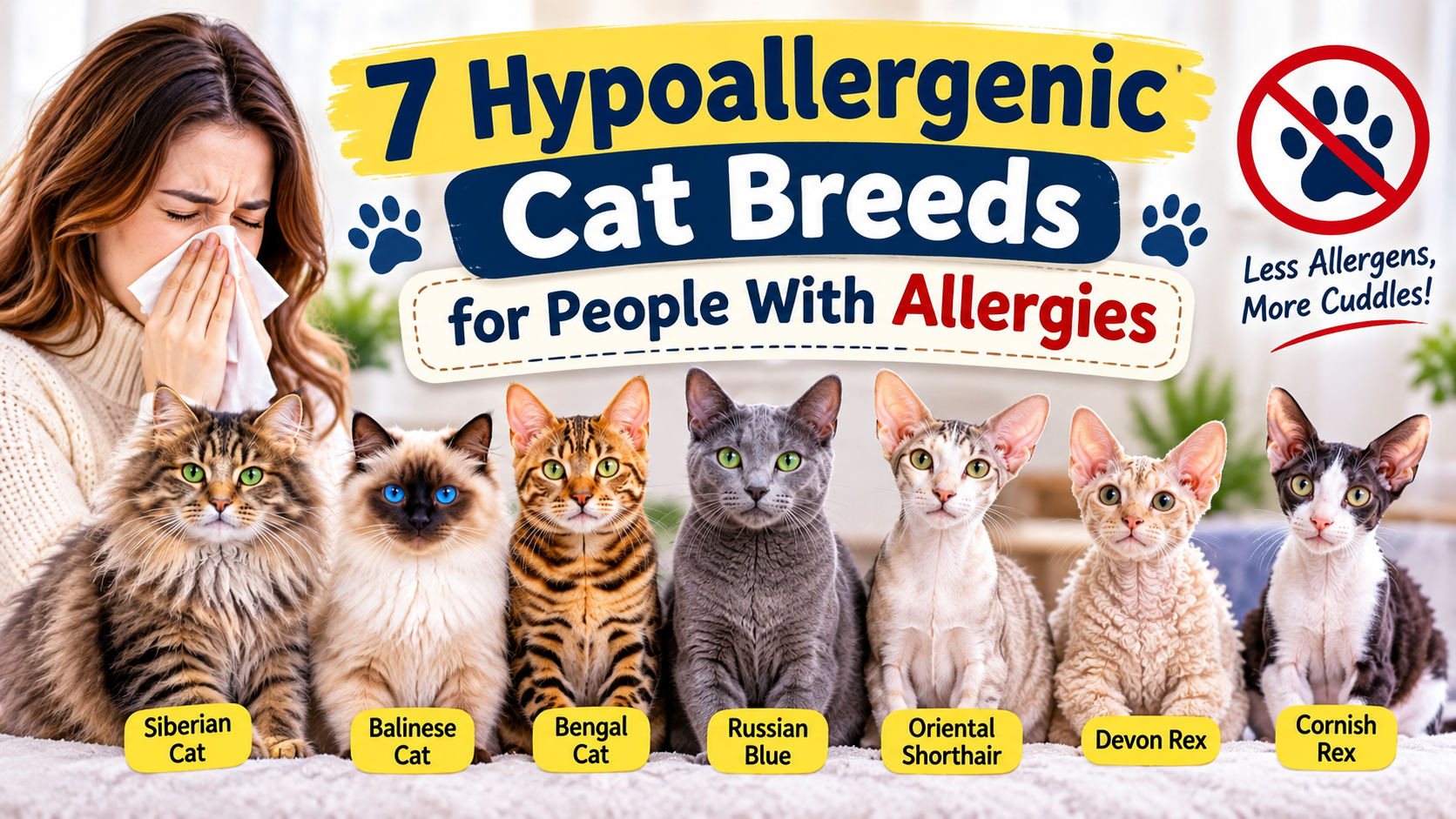
Finding a suitable cat can feel difficult when you have allergies. Thankfully, some breeds attract attention for their coat and grooming characteristics. People often research these breeds when looking for the best hypoallergenic cats. However, every cat produces allergens, including those considered allergy-friendly. Their allergen levels can also differ between individual animals. The following seven breeds have interesting appearances and personalities. When comparing hypoallergenic cats, understanding their characteristics can help you make a more informed choice.
1. Siberian Cat
The Siberian cat is famous for its thick coat and beautiful appearance. Its rounded face, strong body, and fluffy tail make it easily recognizable. Despite its heavy coat, this breed has a friendly and affectionate personality. Siberians often enjoy spending time with their families and playing indoors. They can also become loving companions for people who enjoy interactive pets.
Some people consider Siberians among the best cats for allergies. This interest comes from reports suggesting certain Siberians produce lower Fel d 1 levels. However, research does not establish that every Siberian produces less allergen. Individual cats can still trigger noticeable allergic reactions. Their thick coats also need regular brushing to prevent tangles and loose fur. Anyone considering this breed should spend time with the individual cat first.
2. Balinese Cat
The Balinese cat has an elegant body and a beautiful silky coat. Its bright blue eyes and long, graceful shape create a striking appearance. This breed is closely related to the Siamese cat. Balinese cats are known for their playful and affectionate personalities. They enjoy attention and often form strong connections with their families. Their social nature makes them wonderful companions for interactive households.
Balinese cats frequently appear on lists of allergy-friendly breeds. Some sources suggest certain individuals may produce lower Fel d 1 levels. However, this does not make every Balinese cat suitable for allergic owners. Their silky coats need regular brushing to remove loose hair. They also enjoy company and may dislike spending long periods alone. People considering this breed should check their personal allergy response before adoption.
3. Bengal Cat
The Bengal cat stands out because of its beautiful spotted or marbled coat. Its markings often resemble those of a small wild leopard. Bengals have athletic bodies, bright eyes, and an energetic personality. They enjoy climbing, exploring, and playing with different toys. These cats need plenty of activity to remain happy and entertained. They can become excellent companions for active households.
Their short coats require less brushing than many long-haired breeds. This characteristic attracts people researching low-shedding cats. However, less shedding does not mean fewer allergens. Bengal cats still produce proteins that can trigger allergic reactions. A weekly brushing session can help remove loose hair and keep their coats healthy. They also need regular playtime and mental stimulation. Spend time with a Bengal before adoption to understand your allergy response.
4. Russian Blue Cat
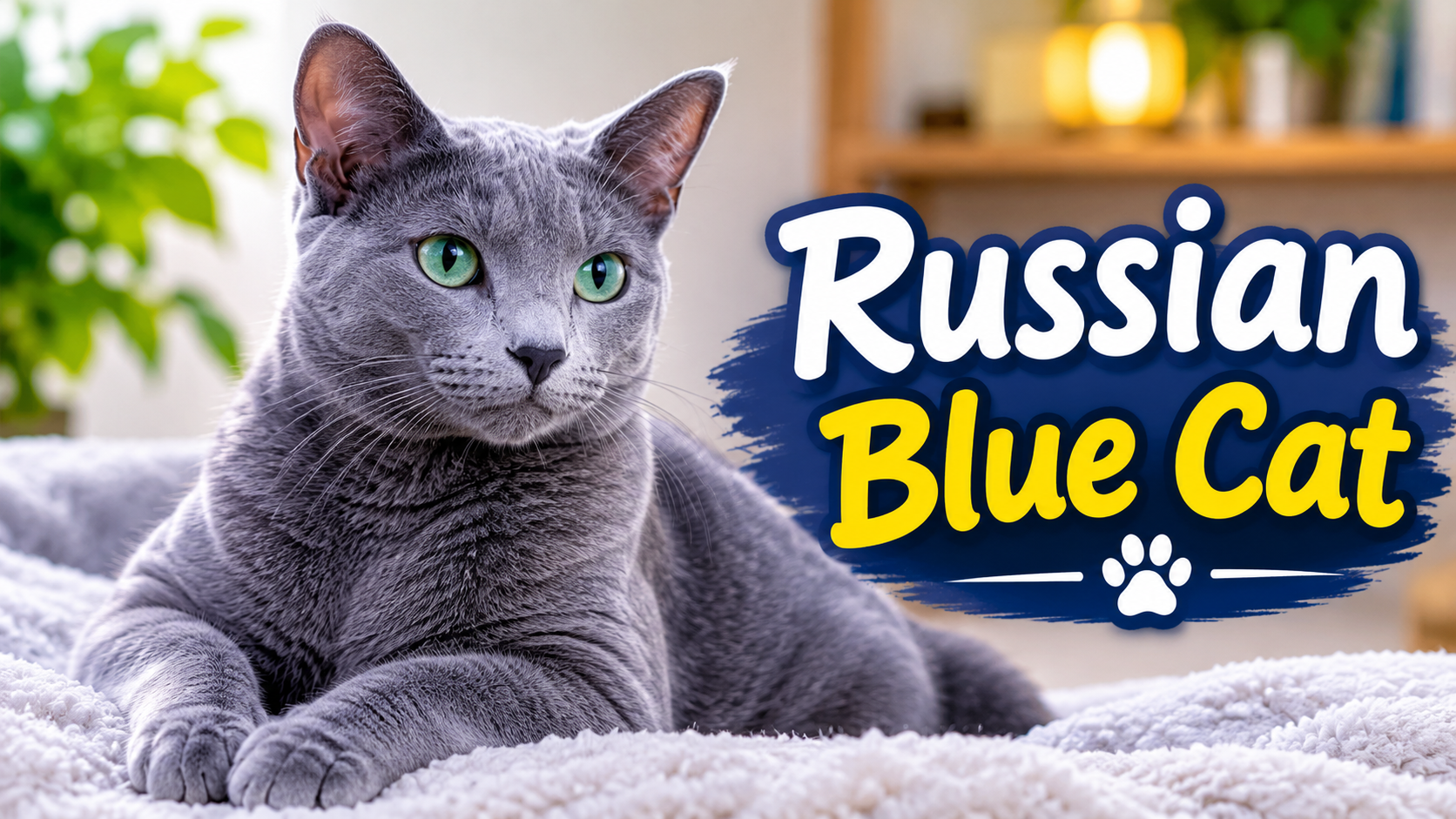
The Russian Blue is known for its beautiful grey-blue coat and green eyes. Its short, dense fur gives this breed a soft and plush appearance. These cats usually have a gentle, quiet, and affectionate personality. They often form strong relationships with their favorite family members. Russian Blues can be reserved around strangers but become loving companions. They generally enjoy peaceful homes and familiar daily routines.
Many people researching the best cats for people with allergies consider Russian Blues. Their thick coats are sometimes linked with lower allergen exposure. However, there is limited scientific evidence supporting this breed as allergy-safe. Russian Blues still produce Fel d 1, which can trigger symptoms. Their coats need regular brushing to remove loose hair. Spending time with an individual Russian Blue can help assess your reaction.
5. Oriental Shorthair Cat
The Oriental Shorthair has a slim body, long legs, and large ears. Its short, smooth coat comes in many beautiful colors and patterns. This breed has an elegant appearance and an expressive personality. Oriental Shorthairs are intelligent, curious, and highly active cats. They enjoy exploring their surroundings and playing with their owners. Many also love attention and prefer staying close to their families.
Their short coats require relatively little grooming compared with long-haired breeds. Weekly brushing can help remove loose hair and maintain coat health. However, a short coat does not mean fewer allergy-causing proteins. Oriental Shorthairs still produce allergens through their saliva and skin secretions. People searching for cat breeds that are hypoallergenic should understand this difference. Their friendly nature makes them appealing, but personal allergy testing remains important.
6. Devon Rex Cat
The Devon Rex is easy to recognize because of its unusual curly coat. It has large ears, prominent eyes, and a small, slender body. Its soft fur gives the breed a distinctive and charming appearance. Devon Rex cats are playful, curious, and affectionate companions. They often enjoy climbing, exploring, and following their owners around. Their lively personalities make them entertaining pets for many families.
People often consider this breed when researching a hypo allergenic cat. Its short, curly coat usually sheds less than many other coats. However, Devon Rex cats still produce allergy-triggering proteins. Their skin may also need gentle care because of natural oil buildup. Frequent bathing is not always necessary and can irritate sensitive skin. Gentle grooming helps maintain coat condition without damaging its delicate fur. Always meet the individual cat before making an adoption decision.
7. Cornish Rex Cat
The Cornish Rex has a distinctive short coat with soft, natural waves. Its slim body, long legs, and large ears create an elegant appearance. Unlike many cats, it has very little guard hair. Its coat feels soft and delicate when touched. Cornish Rex cats are active, friendly, and naturally curious. They enjoy chasing toys, climbing furniture, and exploring new places. Their playful behaviour makes them entertaining household companions.
This breed often attracts people searching for low-shedding cats. Its unusual coat generally leaves less loose hair around the home. However, shedding less does not mean producing fewer allergens. Cornish Rex cats still produce proteins that sensitive people may react to. Their delicate coats usually need gentle grooming rather than frequent brushing. Regular attention also helps keep their skin healthy. People considering this breed should spend time around it first. This helps them understand whether its presence causes allergic symptoms.
Choosing Among These Allergy-Friendly Breeds
Choosing between these breeds depends on your lifestyle and allergy sensitivity. Some people tolerate certain cats better than others. The best cats for allergies are not necessarily the same for everyone. Coat length, shedding, and personality are useful adoption considerations. However, allergen production deserves equal attention when comparing different breeds. Spend time with your preferred cat before bringing it home. This gives you a better chance of understanding your reaction. Remember, even hypoallergenic cats can trigger symptoms in sensitive people.
5. How to Choose the Right Cat for Your Allergies
Choosing a cat becomes more important when you experience allergic reactions. You might already have a favorite breed in mind. However, breed selection alone cannot predict how your body will react. Every cat produces allergens, but individual levels can differ. Even two cats from the same breed may affect you differently. This is important when choosing hypoallergenic cats. That’s why meeting the actual animal matters more than trusting breed labels.
Before adopting, spend some time with the cat you’re considering. Visit the shelter or breeder and interact with the animal. Notice whether you experience sneezing, itchy eyes, coughing, or skin irritation. A short visit cannot guarantee that future reactions won’t happen. However, it can provide useful information about your sensitivity. You can also ask whether longer visits are possible before adoption.
Speaking with an allergy specialist is another helpful step. They can recommend suitable allergy tests and explain your possible risks. Your doctor may also discuss treatments for managing allergy symptoms. This becomes especially important if you have asthma or breathing problems. Never depend entirely on online lists of allergy-friendly breeds.
Your lifestyle should also influence your final decision. Some cats need daily grooming, while others require less coat maintenance. Consider the animal’s age, activity level, and personality. Think about your home’s size and whether everyone accepts having a cat. A quiet, independent cat may suit some households better. An energetic, social cat may need more attention and playtime. Choosing carefully helps create a comfortable home for everyone.
6. Practical Tips to Reduce Cat Allergens at Home
Living with a cat while managing allergies requires some daily care. You cannot remove every allergen, but you can reduce exposure. Small changes around your home may help control allergen buildup. These habits can make shared spaces more comfortable for sensitive people.
– Use a HEPA air purifier: A HEPA purifier can capture airborne particles, including some pet allergens. Place it in rooms where your family spends considerable time. Choose a suitable model for your room size.
– Keep cats out of bedrooms: Your bedroom should remain a comfortable sleeping space. Keeping cats away from beds can reduce allergen exposure. Close the bedroom door whenever possible.
– Vacuum carpets and furniture: Carpets and sofas can collect pet dander and loose fur. Use a vacuum cleaner with a suitable HEPA filter. Regular cleaning helps remove accumulated particles from household surfaces.
– Wash bedding and blankets: Wash sheets, pillowcases, and blankets regularly. Clean your cat’s washable bedding and favorite blankets too. This helps remove allergens that collect on fabrics.
– Clean household surfaces: Wipe tables, shelves, and other surfaces with a damp cloth. Dry dusting can spread particles into the air. Regular surface cleaning helps control household allergen buildup.
– Wash your hands after touching cats: Cat allergens can transfer onto your hands during contact. Wash your hands with soap after playing or cuddling. Avoid touching your eyes or face beforehand.
These habits can help reduce exposure throughout your home. However, they cannot completely remove cat allergens. People with persistent symptoms should discuss additional options with their doctors. A combination of cleaning habits and medical guidance can help manage symptoms.
7. Important Things to Know Before Adopting a Hypoallergenic Cat
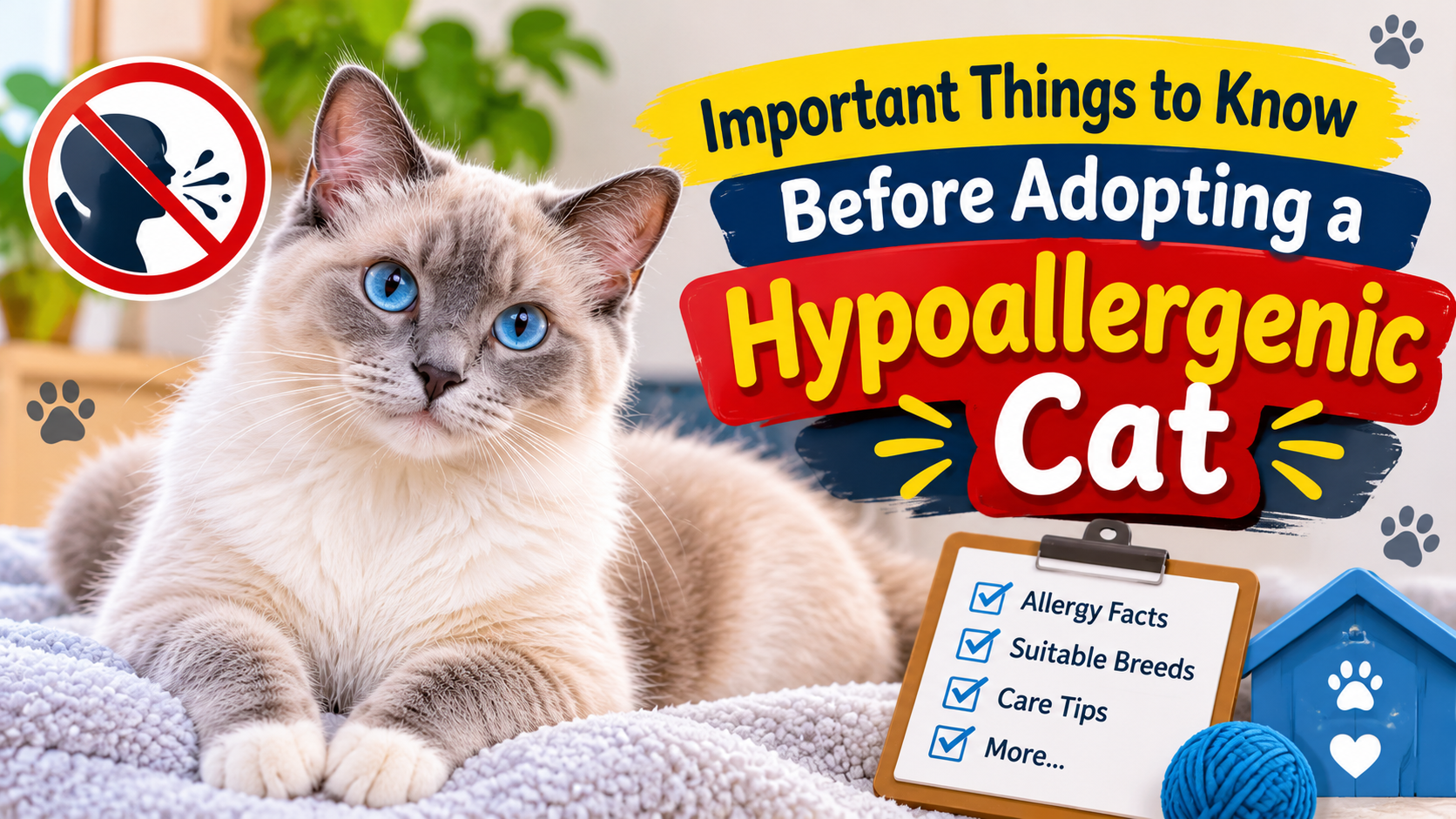
Adopting a cat is an exciting decision, but it also brings responsibilities. Allergy sufferers should understand the possible risks before welcoming a new companion. No hypoallergenic cat can promise a completely reaction-free experience. Even cats with unusual coats can produce proteins that trigger allergies. Consider your health, living conditions, and ability to provide proper care.
Check the cat’s health and vaccination history before completing adoption. Ask about previous medical problems, vaccinations, and regular veterinary visits. A trusted breeder or shelter should provide honest information. You should also understand the cat’s grooming, feeding, and exercise needs. Every cat deserves a safe and loving home.
Think carefully before making your final adoption decision. Returning a cat can become emotionally difficult for families and animals. It may also create stress for a cat adjusting to new surroundings. Responsible adoption means considering possible allergy problems beforehand. Choose a trusted shelter or responsible breeder whenever possible. Make sure your household is ready for this long-term commitment.
Frequently Asked Questions About Hypoallergenic Cats
Are There Any 100% Hypoallergenic Cats?
No, there are no completely allergy-free cat breeds. Every cat produces proteins that can trigger allergic reactions. Fel d 1 is one of the main proteins responsible. Cats release it through saliva and skin secretions. These proteins can spread onto fur, furniture, carpets, and clothing. Even hairless cats produce allergens despite having little visible fur. Some breeds may produce lower amounts of certain allergens. However, this does not guarantee protection against allergic reactions. People with serious allergies should seek medical advice before adoption. Meeting an individual cat can also help assess possible reactions.
Which Cat Breed Is Best for People With Allergies?
Several breeds attract attention among people researching allergy-friendly cats. Popular examples include Siberian, Balinese, Bengal, and Russian Blue cats. Devon Rex and Cornish Rex also interest many potential owners. These breeds have different coats, personalities, and grooming requirements. Some individual cats may produce fewer allergens than others.
Do Hairless Cats Cause Allergies?
Yes, hairless cats can still cause allergic reactions. The Sphynx is a popular example of a hairless breed. Many people assume its lack of fur prevents allergies. However, cats produce allergens through their saliva and skin glands. These proteins can collect directly on a hairless cat’s skin. Therefore, hairless cats are not automatically suitable for allergic owners.
Are Short-Haired Cats Better for Allergies?
Short-haired cats are not necessarily better for people with allergies. Their coats may require less brushing and maintenance than longer coats. However, coat length does not determine how much Fel d 1 they produce. Even short-haired breeds release proteins through saliva and skin secretions. These allergens can spread regardless of hair length.
Can Cat Allergies Develop Over Time?
Yes, cat allergies can develop at different stages of life. Someone might live comfortably around cats for several years. Later, they may begin experiencing sneezing, itching, or congestion. Allergic sensitivity can also change with age and other factors. Some people experience symptoms after repeated exposure to cat allergens. Others notice their existing reactions becoming stronger or milder.
How Can I Live With a Cat If I Have Allergies?
Living with a cat may be possible for some allergy sufferers. However, the right approach depends on individual symptoms and sensitivity. Start by keeping your bedroom free from cats and pet bedding. Use a HEPA air purifier to capture airborne particles. Vacuum carpets and clean furniture regularly with suitable equipment.
Conclusion
Hypoallergenic cats can be interesting companions for people managing allergies. Siberian, Balinese, Bengal, and other breeds deserve careful consideration. However, no cat breed is completely free from allergens. Meet your preferred cat and consult an allergy specialist first. Responsible adoption helps protect your health and your future companion.