

 By
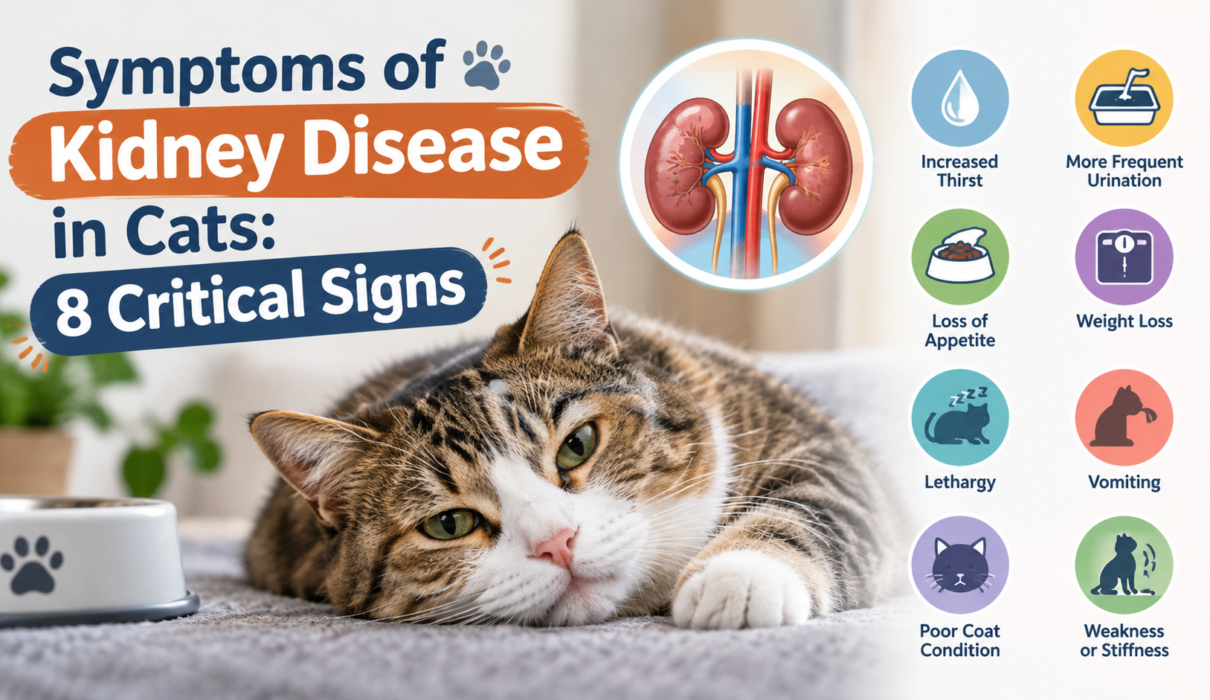
Symptoms of Kidney Disease in Cats: 8 Critical Signs
Introduction: Understanding Symptoms of Kidney Disease in Cats
Kidney disease is a common health problem in cats, especially older cats. The kidneys perform several essential functions, including removing waste products from the blood, balancing fluids and electrolytes, and helping maintain overall health. When the kidneys become damaged, these functions may gradually decline, affecting a cat’s appetite, energy, hydration, and daily comfort or symptoms of kidney disease in cats.
Recognizing the symptoms of kidney disease in cats is important because early signs can be subtle. Some cats continue to eat and behave normally during the early stages, while others begin drinking more water, urinating frequently, or losing weight. Without appropriate veterinary care, kidney disease may progress and cause more serious complications.
There are different types of kidney disease in cats. Acute kidney injury develops suddenly and may be associated with toxins, certain medications, infections, or other serious problems. Chronic kidney disease develops over time and is particularly common in senior cats. Although chronic kidney damage is generally irreversible, appropriate veterinary management may help control symptoms and support quality of life.
In this article, we will explore eight important warning signs, explain what they may mean, and discuss when to seek veterinary attention. Understanding the symptoms of cats with kidney disease can help owners notice concerning changes and arrange appropriate care or symptoms of kidney disease in cats.
Increased Thirst and Frequent Urination
One of the most recognizable symptoms of kidney disease in cats is an increase in thirst accompanied by more frequent urination. Healthy kidneys help conserve water by concentrating urine. When kidney function declines, the kidneys may become less effective at concentrating urine, causing a cat to lose more water.
To compensate for this loss, the cat may drink more frequently. Owners sometimes notice that the water bowl needs refilling more often or that the litter box contains larger or more frequent urine clumps.
Why Do Cats with Kidney Disease Drink More Water?
As kidney damage progresses, the body may struggle to maintain its normal fluid balance. A cat may produce larger amounts of dilute urine, which can increase the need to drink.
However, increased thirst and urination do not automatically mean kidney disease. Diabetes, hyperthyroidism, certain medications, and other conditions can produce similar symptoms. Veterinary testing is necessary to identify the underlying cause or Cat kidney disease symptoms.
Warning Signs to Watch For
Pay attention to changes such as:
- Drinking noticeably more water than usual.
- Urinating more frequently.
- Producing larger urine clumps in the litter box.
- Becoming restless because of more frequent urination.
- Showing signs of dehydration despite drinking regularly.
These changes are especially important in older cats. Keep track of your cat’s water intake and litter box habits when possible, and share any noticeable changes with your veterinarian.
When Should You Contact a Veterinarian?
Arrange a veterinary appointment if increased thirst or urination persists. Your veterinarian may recommend blood tests, urine testing, and blood pressure measurements to investigate the cause.
If your cat repeatedly visits the litter box but produces little or no urine, seek emergency veterinary care. Urinary obstruction is a serious emergency and should not be confused with the increased urine production that can occur with kidney disease.
Loss of Appetite and Food Refusal
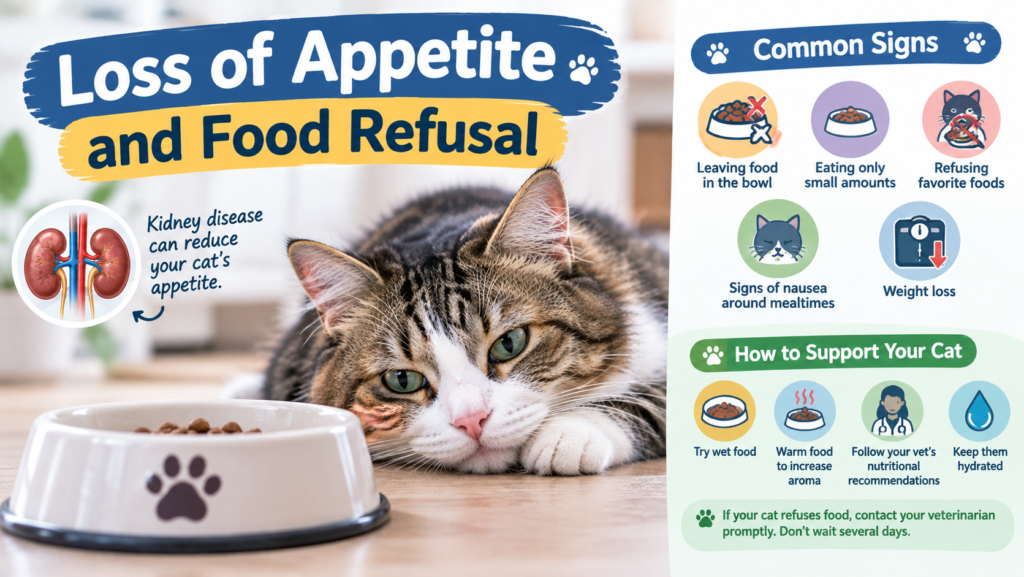
Another important sign among the symptoms of cats with kidney disease is a reduced appetite. Some cats begin eating smaller meals, become less interested in their favorite food, or stop eating altogether or Cat kidney disease symptoms.
Appetite changes can occur when waste products accumulate in the bloodstream or when complications such as nausea, dehydration, and electrolyte disturbances develop. Dental disease and other illnesses can also reduce appetite, so the cause should not be assumed without a veterinary examination or symptoms of kidney disease in cats.
Why Does Kidney Disease Affect Appetite?
Cats with kidney disease may feel nauseated even when they are not vomiting. They may approach their food, smell it, and then walk away. Other cats may lick their lips, drool, swallow repeatedly, or appear uncomfortable after eating.
Over time, reduced food intake can lead to weight loss and muscle wasting. This can weaken the cat and make it more difficult to maintain normal daily activities.
Signs of Appetite Loss
Look for these changes:
- Leaving food in the bowl more often.
- Eating only small amounts.
- Refusing previously preferred foods.
- Showing signs of nausea around mealtimes.
- Losing weight because of reduced food intake.
Monitoring your cat’s eating habits can help you recognize changes early. If possible, record how much food your cat eats each day and note whether appetite changes happen suddenly or gradually.
How Can You Support a Cat with Reduced Appetite?
If your cat has diagnosed kidney disease, follow your veterinarian’s nutritional recommendations. A therapeutic renal diet may be beneficial, but it is important that the cat continues eating enough food.
You may ask your veterinarian about offering wet food, gently warming suitable food to increase its aroma, or trying another veterinarian-approved renal diet if your cat refuses the current option or Cat kidney disease symptoms.
Do not force-feed your cat or give human medications to stimulate appetite without veterinary guidance. If your cat refuses food, contact your veterinarian promptly, particularly if the refusal continues or is accompanied by vomiting, weakness, or dehydration or symptoms of kidney disease in cats.
Important: Cats that eat very little or nothing can develop additional health problems. Do not wait several days for appetite to return on its own.
Unexplained Weight Loss and Muscle Weakness
Unexplained weight loss is another significant warning sign. A cat may gradually become thinner even when food is still available. In some cases, the loss is easy to miss because it develops over several weeks or months.
Weight loss may occur because of reduced appetite, nausea, changes in metabolism, dehydration, or other medical conditions. Cats with chronic kidney disease may also lose muscle mass, particularly as the illness progresses.
How Kidney Disease Can Affect Body Weight
When a cat does not consume enough calories and nutrients, the body may begin using stored energy and muscle tissue. Persistent illness can contribute to weakness and reduced physical activity.
Some owners notice that their cat’s spine, hips, or shoulder blades feel more prominent. Others observe that the cat’s body looks smaller even though its abdomen appears unchanged or symptoms of kidney disease in cats.
Weight loss can also be caused by diabetes, hyperthyroidism, intestinal disease, cancer, or other conditions. A veterinary examination is important to determine the cause.
Signs of Weight and Muscle Loss
Watch for:
- A noticeable reduction in body weight.
- Prominent bones around the hips or spine.
- Thinner muscles around the shoulders and back legs.
- A looser-fitting collar or harness.
- Reduced jumping, climbing, or playing.
- Less interest in normal daily activities.
Weighing your cat regularly can help identify gradual changes. If a household scale is difficult to use, your veterinarian can record weight during routine examinations.
Why Is Maintaining Weight Important?
Maintaining an appropriate body condition supports strength, mobility, and general well-being. Unintentional weight loss may indicate that the cat is not eating enough or that an underlying problem needs treatment.
Your veterinarian may assess body condition, muscle condition, appetite, and laboratory results. Depending on the findings, the care plan may include nutritional adjustments, treatment for nausea, or investigation of additional illnesses.
Do not make major dietary changes or give high-calorie supplements without professional advice. Cats with kidney disease may have specific nutritional needs, and the best approach depends on their overall condition.
If your cat is losing weight despite eating normally, arrange a veterinary examination rather than assuming kidney disease is the only possible explanation or symptoms of kidney disease in cats.
Vomiting and Nausea
Vomiting and nausea can occur in cats with kidney disease, especially when the condition becomes more advanced or complications develop. These signs may be associated with the buildup of waste products in the bloodstream, but vomiting has many possible causes or Cat kidney disease symptoms.
Some cats vomit occasionally, while others experience repeated episodes accompanied by reduced appetite, dehydration, or weakness. Nausea can also occur without vomiting, making it harder for owners to recognize.
Why Might a Cat with Kidney Disease Vomit?
When kidney function declines, the body may have difficulty removing certain waste products and maintaining normal fluid and electrolyte balance. These changes can contribute to nausea and gastrointestinal discomfort.
However, vomiting may also result from dietary problems, intestinal disease, pancreatitis, toxins, or other medical conditions. A veterinarian can help determine whether kidney disease is responsible and whether additional testing is needed.
Signs of Nausea in Cats
In addition to vomiting, possible signs include:
- Repeated lip licking.
- Drooling more than usual.
- Swallowing repeatedly.
- Approaching food but refusing to eat.
- Hiding or appearing uncomfortable.
- Showing reduced interest in meals.
These symptoms can be subtle, especially in cats that naturally hide signs of illness. Watching for changes in normal behavior can help you identify a problem sooner or symptoms of kidney disease in cats.
When Is Vomiting an Emergency?
Contact your veterinarian promptly if your cat has repeated vomiting, reduced appetite, or signs of dehydration. Seek urgent veterinary care if your cat cannot keep water down, becomes severely weak, collapses, or has blood in its vomit.
Do not give human anti-nausea medications or other medicines unless your veterinarian specifically prescribes them. Some medications that are safe for people can be dangerous to cats.
How Is Vomiting Managed?
Treatment depends on the cause and severity of the symptoms. A veterinarian may recommend anti-nausea medication, hydration support, dietary adjustments, or treatment for other complications.
For cats with confirmed kidney disease, managing nausea may help improve appetite and comfort. However, treatment should be based on an individual assessment rather than symptoms alone.
Lethargy, Weakness, and Reduced Activity
Lethargy and weakness are important symptoms of kidney disease in cats, particularly when the condition progresses or other complications develop. A cat that was once playful and active may begin sleeping more, avoiding interaction, or showing little interest in its favorite activities.
Although cats naturally sleep for many hours each day, a noticeable change in energy or behavior should not be dismissed as normal aging. Kidney disease can affect a cat’s overall condition through dehydration, reduced food intake, anemia, and disturbances in the body’s electrolyte balance.
Why Does Kidney Disease Cause Weakness?
Healthy kidneys perform essential functions that help maintain the body’s internal balance. When kidney function declines, several complications may contribute to fatigue and weakness or symptoms of kidney disease in cats.
For example, anemia can develop in cats with chronic kidney disease because the kidneys produce less erythropoietin, a hormone involved in red blood cell production. A reduced red blood cell count means less oxygen can be delivered to body tissues, potentially causing tiredness and reduced stamina.
Dehydration and inadequate nutrition may also contribute to weakness. Some cats become less active because they feel nauseated or uncomfortable.
Warning Signs to Watch For
Pay attention if your cat:
- Sleeps more than usual and rarely plays.
- Has difficulty jumping onto furniture.
- Appears weak when walking or standing.
- Stops grooming regularly.
- Hides more often or avoids family members.
- Shows reduced interest in food or water.
These signs can have many causes, so a veterinary examination is necessary to identify the underlying problem.
How Can You Help a Weak Cat?
Provide a quiet, comfortable resting area and make food, water, and the litter box easy to reach. If jumping becomes difficult, consider using pet steps or providing a low-entry litter tray or symptoms of kidney disease in cats.
Do not force your cat to exercise when it appears tired. Instead, allow gentle activity according to its comfort level.
If weakness develops suddenly, becomes severe, or is accompanied by collapse, difficulty breathing, or an inability to stand, seek emergency veterinary care.
Understanding the symptoms of kidney disease in cats includes recognizing changes in everyday activity. Early assessment may help identify treatable complications and improve comfort.
Poor Coat Condition and Dehydration
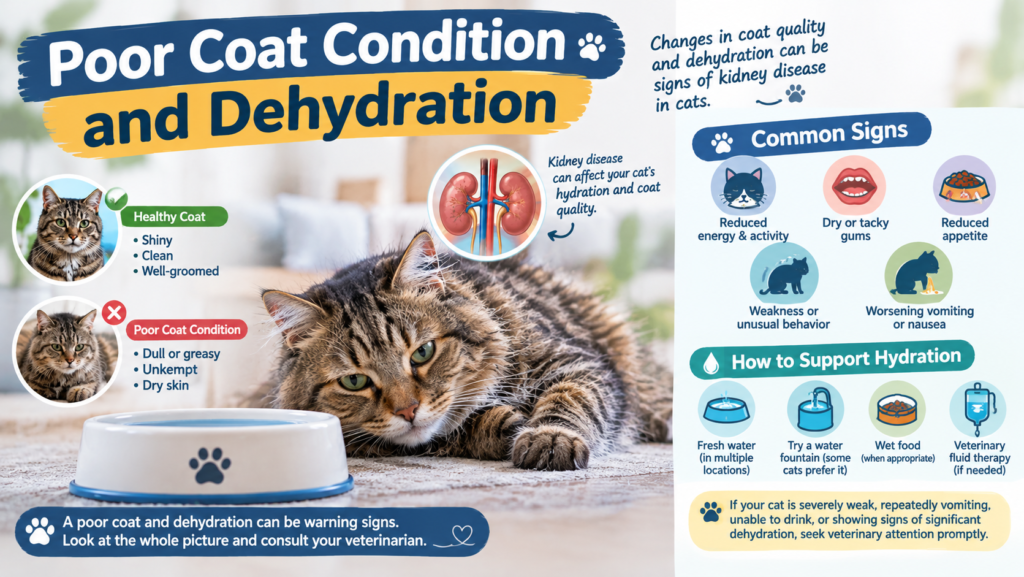
Changes in coat quality and signs of dehydration may occur in cats with kidney disease. A previously well-groomed cat may develop a dull, greasy, or unkempt coat. Some cats may also have dry-looking skin or appear less interested in grooming.
These changes are not specific to kidney disease, but they can indicate that a cat is feeling unwell.
Why Does Kidney Disease Affect Hydration?
The kidneys help regulate the body’s water balance by adjusting how much water is retained or lost in urine. When kidney function declines, a cat may produce larger amounts of dilute urine and lose more water than usual.
If the cat cannot drink enough to replace those losses, dehydration may develop. Dehydration can worsen weakness, reduce appetite, and contribute to additional medical complications or symptoms of kidney disease in cats.
Signs of Dehydration in Cats
Possible warning signs include:
- Reduced energy and activity.
- Dry or tacky gums.
- Reduced appetite.
- Weakness or unusual behavior.
- Worsening vomiting or nausea.
No single sign reliably confirms dehydration at home. Skin-tent tests can be misleading, especially in older or thin cats, so a veterinarian should assess suspected dehydration.
How Can You Support Hydration?
If your cat has kidney disease, make clean, fresh water available in several accessible places. Some cats prefer wide, shallow bowls, while others drink more readily from a pet fountain.
Wet food may also help increase water intake when it is appropriate for the cat’s nutritional needs. If your veterinarian recommends a therapeutic renal diet, ask about suitable wet-food options.
For some cats, veterinary-prescribed fluid therapy may be necessary. The need, amount, and method depend on the individual cat’s condition. Never administer fluids at home without veterinary instruction.
If your cat is severely weak, repeatedly vomiting, unable to drink, or showing signs of significant dehydration, seek prompt veterinary attention or symptoms of kidney disease in cats.
Why Is Coat Condition Important?
Cats groom themselves regularly, and a decline in grooming may indicate pain, weakness, nausea, or another health problem. A poor coat can also be associated with parasites, skin disease, nutritional problems, or other conditions.
If you notice persistent coat changes along with increased thirst, frequent urination, or weight loss, arrange a veterinary examination. Looking at several symptoms together provides more useful information than relying on coat appearance alone.
Bad Breath and Mouth Ulcers
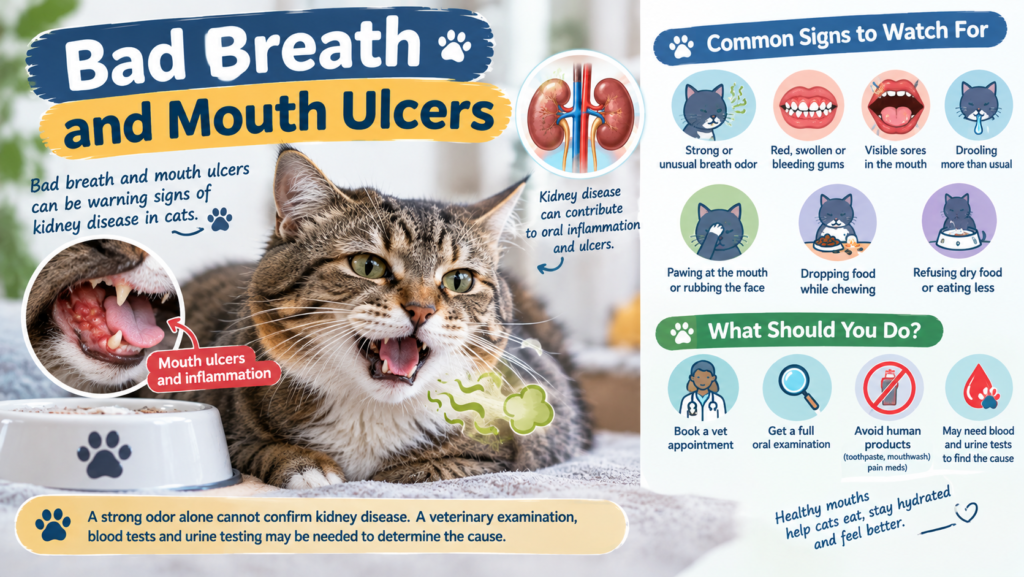
Bad breath can be another concerning sign in cats with kidney disease, especially when kidney dysfunction is advanced. Some affected cats develop an unusual, strong, or ammonia-like odor on their breath. Oral inflammation and ulcers may also occur in severe cases.
However, bad breath is not exclusive to kidney problems. Dental disease, gum inflammation, oral infections, and other medical conditions can produce similar symptoms.
How Can Kidney Disease Affect the Mouth?
When kidney function declines significantly, waste products may accumulate in the bloodstream. In some cats, this can contribute to irritation and ulceration of the tissues lining the mouth.
A cat may develop painful sores on the tongue, gums, or other oral surfaces. Mouth discomfort can make eating difficult and may worsen existing appetite problems or symptoms of kidney disease in cats.
Signs to Watch For
Look for changes such as:
- Persistent or unusually strong breath odor.
- Red, swollen, or bleeding gums.
- Visible sores inside the mouth.
- Drooling more than usual.
- Pawing at the mouth or rubbing the face.
- Dropping food while chewing.
- Refusing dry food or eating less than usual.
Some oral problems are difficult to see without a proper examination. Do not force your cat’s mouth open if it appears painful or distressed.
What Should You Do About Bad Breath?
Arrange a veterinary appointment if your cat develops persistent bad breath, mouth sores, drooling, or difficulty eating. Your veterinarian may examine the teeth, gums, tongue, and other oral tissues while also evaluating whether kidney disease or another condition is present.
If your cat has already been diagnosed with kidney disease, new oral discomfort deserves attention because it can interfere with food intake and hydration.
Avoid using human toothpaste, mouthwash, or pain medication. Some human products contain ingredients that are unsafe for cats.
Important: A strong odor alone cannot establish a kidney disease diagnosis. Blood tests, urine testing, and a veterinary examination may be needed to determine the cause.
Changes in Behavior and Overall Comfort
Behavioral changes may be subtle but important symptoms of kidney disease in cats. A cat that previously greeted family members, played regularly, or slept in familiar places may begin hiding, becoming irritable, or avoiding interaction.
Cats often conceal signs of illness, so behavioral changes may be among the first clues that something is wrong.
Common Behavioral Changes
Watch for changes such as:
- Hiding in quiet or unusual places.
- Avoiding handling or social interaction.
- Becoming unusually irritable.
- Sleeping in different places.
- Losing interest in toys or familiar activities.
- Showing changes in litter box habits.
- Appearing restless or uncomfortable.
These behaviors can result from pain, stress, dental problems, arthritis, or other illnesses as well as kidney disease. A veterinary assessment can help distinguish between possible causes or symptoms of kidney disease in cats.
How Can You Monitor Quality of Life?
If your cat has diagnosed kidney disease, consider keeping a simple daily record of its behavior and comfort. Note whether it eats, drinks, grooms, moves around, and interacts with family members as usual or Cat kidney disease symptoms.
You can also monitor body weight, vomiting, medication use, and litter box habits. These records can help your veterinarian identify trends and determine whether the current treatment plan is working.
A cat may still enjoy a good quality of life while living with chronic kidney disease. However, persistent nausea, uncontrolled pain, severe weakness, or an ongoing inability to eat should be discussed with a veterinarian.
When Should You Seek Immediate Care?
Seek urgent veterinary attention if your cat:
- Collapses or becomes extremely weak.
- Has difficulty breathing.
- Cannot keep water down because of repeated vomiting.
- Is unable to urinate.
- Develops sudden severe disorientation or other major neurological changes.
Do not assume that every new symptom is caused by kidney disease. Sudden changes may indicate a separate emergency that requires immediate treatment.
Early Kidney Disease in Cats: Warning Signs You Should Not Ignore
Early kidney disease in cats can be difficult to recognize because many cats do not show obvious symptoms at first. A cat may continue eating, playing, and behaving normally even when testing reveals early abnormalities.
This is one reason routine veterinary examinations are particularly important for senior cats and cats with known risk factors or Kidney disease symptoms in cats
What Are the Early Warning Signs?
Some cats develop subtle changes, including:
- Drinking slightly more water.
- Urinating more frequently.
- Gradually losing weight.
- Showing a mild reduction in appetite.
- Developing less interest in grooming.
- Experiencing occasional nausea or vomiting.
These signs are not proof of kidney disease. They can occur with several other conditions, and some cats with early disease show no visible symptoms or symptoms of kidney disease in cats.
How Is Early Kidney Disease Diagnosed?
Veterinarians may use several tests to evaluate kidney function and look for supporting evidence of disease.
Blood tests: Measurements such as creatinine and SDMA can help assess kidney function when interpreted alongside other findings.
Urine testing: Urine concentration, protein levels, and other findings can provide important information about kidney health.
Blood pressure measurement: High blood pressure can occur with kidney disease and may damage the eyes, heart, kidneys, and other organs.
Additional examinations: Depending on the case, the veterinarian may recommend imaging, urine culture, or tests for other conditions or Cat kidney disease symptoms.
Results must be interpreted together with the cat’s hydration status, medical history, physical examination, and repeat measurements when appropriate.
Why Is Early Detection Important?
Early diagnosis gives owners and veterinarians more opportunities to monitor the condition, identify complications, and make appropriate management decisions.
Depending on the findings, the care plan may include a therapeutic renal diet, treatment of high blood pressure, management of urinary protein loss, or monitoring at regular intervals.
Chronic kidney damage is generally not reversible, but appropriate management may help control complications and maintain quality of life.
If you notice persistent changes in thirst, urination, appetite, or weight, do not wait until your cat becomes visibly ill. Arrange a veterinary examination to investigate the cause.
Diagnosis and Treatment for Kidney Disease in Cats
If your veterinarian suspects kidney disease, the next step is to determine whether kidney dysfunction is present, identify its severity, and look for complications or underlying causes.
The symptoms of kidney disease in cats can overlap with many other health problems, so a diagnosis should not be based on symptoms alone.
Veterinary Examination and Medical History
Your veterinarian may ask about your cat’s age, diet, medications, water consumption, urination habits, appetite, and changes in weight or behavior.
The physical examination may include checking hydration, body condition, gums, oral health, and blood pressure when appropriate.
This information helps guide the choice of diagnostic tests.
Blood and Urine Tests
Blood testing can assess kidney-related measurements, electrolytes, and other indicators of health. Urine testing helps evaluate urine concentration and may identify protein loss, infection, or other abnormalities or symptoms of kidney disease in cats.
Veterinarians may also recommend blood pressure measurements or imaging when needed.
For chronic kidney disease, the IRIS staging system can help classify the condition and guide management after the diagnosis is established and the cat is stable. A stage alone cannot predict exactly how long an individual cat will live.
Kidney-Support Diet
A veterinarian-recommended renal diet may help manage chronic kidney disease. These diets are formulated with specific nutritional adjustments, including phosphorus management, to support cats with reduced kidney function.
The most appropriate food depends on the cat’s disease stage, appetite, body condition, and other medical conditions.
If your cat refuses a recommended diet, consult your veterinarian about alternative formulations and ways to transition safely. Maintaining adequate nutrition is essential.
Hydration and Medication
Some cats need additional hydration support, while others may require medication for nausea, high blood pressure, anemia, or other complications or symptoms of kidney disease in cats.
Not every cat needs every treatment. Medication and fluid plans must be individualized because inappropriate treatment can cause harm.
Never give human medication, supplements, or home remedies without veterinary approval.
Regular Monitoring
Kidney disease management often involves repeated examinations and tests. Your veterinarian may monitor blood values, urine findings, blood pressure, weight, appetite, hydration, and changes in daily behavior.
Monitoring helps determine whether the disease is stable, progressing, or complicated by another condition. It also allows treatment to be adjusted according to your cat’s changing needs.
Frequently Asked Questions (FAQs)
What Are the First Symptoms of Kidney Disease in Cats?
Early signs may include increased thirst, more frequent urination, gradual weight loss, or subtle changes in appetite. Some cats show no obvious signs during the early stages, so veterinary testing may detect problems before symptoms become noticeable or symptoms of kidney disease in cats.
If your cat develops persistent changes in drinking, urination, appetite, or weight, arrange a veterinary examination.
What Are the Symptoms of Cats with Kidney Disease in the Early Stages?
The symptoms of cats with kidney disease can include increased thirst, increased urination, mild appetite changes, and gradual weight loss. However, symptoms vary, and some cats appear normal despite early kidney abnormalities.
Blood tests and urine testing are important because home observations alone cannot confirm or rule out kidney disease.
Can Cats with Kidney Disease Still Eat Normally?
Yes. Some cats with early kidney disease maintain a normal appetite. Others develop nausea, reduced appetite, or food refusal as the condition progresses.
If a cat with kidney disease begins eating less, contact your veterinarian. Appetite loss may require treatment and can contribute to weight loss and muscle wasting.
How Can I Tell If My Cat’s Kidney Disease Is Getting Worse?
Possible warning signs include worsening appetite, repeated vomiting, increased weakness, noticeable weight loss, dehydration, or reduced interest in normal activities.
These changes do not always mean the kidney disease has progressed, because other conditions can cause similar symptoms. Veterinary reassessment and repeat testing can help determine what is happening.
Can Kidney Disease in Cats Be Cured?
Chronic kidney disease generally causes permanent kidney damage and cannot be fully reversed. However, veterinary management may help control symptoms, address complications, and maintain quality of life or symptoms of kidney disease in cats.
Acute kidney injury is different: some cats can recover partially or substantially depending on the cause, severity, and speed of treatment. Suspected acute kidney injury requires urgent veterinary assessment.
Conclusion: Recognizing Symptoms of Kidney Disease in Cats
Recognizing the symptoms of kidney disease in cats is an important part of protecting your pet’s health. The eight critical signs discussed in this guide include increased thirst and urination, appetite loss, weight loss, vomiting, lethargy, poor coat condition, bad breath or mouth ulcers, and behavioral changes or symptoms of kidney disease in cats.
These symptoms do not confirm kidney disease on their own, but persistent or worsening changes deserve veterinary attention. Early kidney disease may be difficult to detect without testing, which makes routine veterinary examinations particularly valuable for older cats.
If your cat has kidney disease, work with your veterinarian to develop a care plan based on its individual needs. Appropriate nutrition, hydration support, treatment of complications, and regular monitoring may help maintain comfort and quality of life or symptoms of kidney disease in cats.
The most important step is to respond to changes early rather than waiting for symptoms to become severe. Your veterinarian can help determine the cause of those changes and recommend the most suitable next steps.