

 By
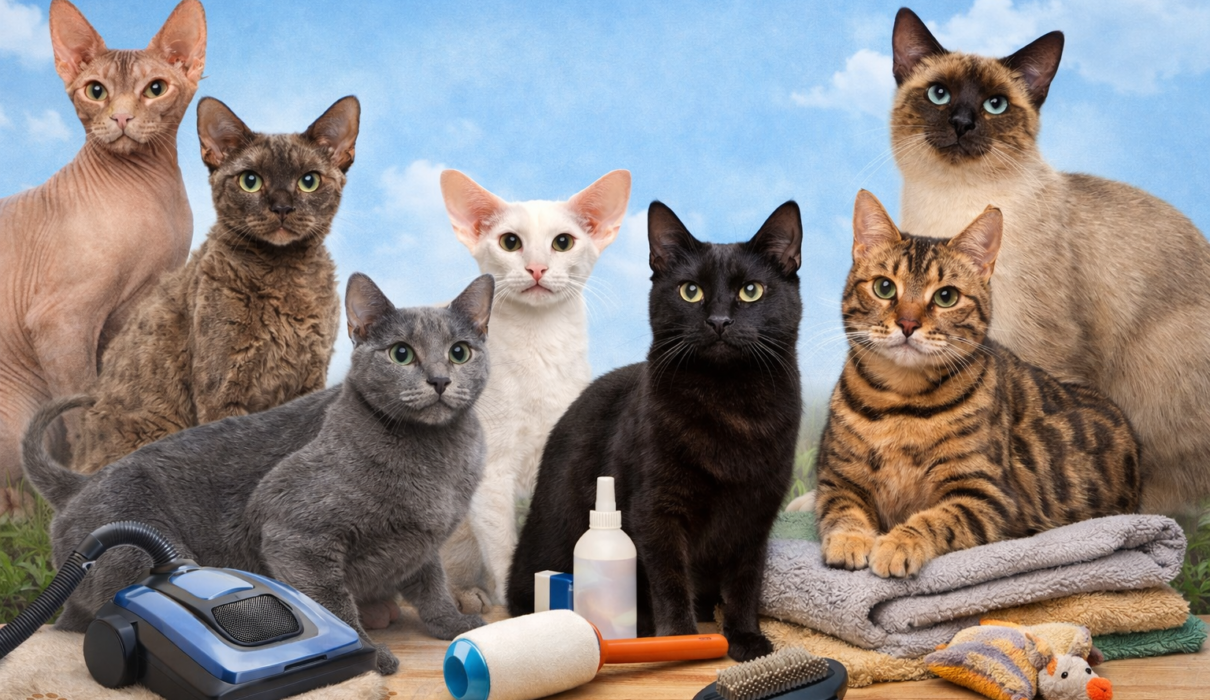
By Welcome to the low-fur life. If cat hair drives you a little crazy, I get it. Fur on sofas feels endless. Lint rollers can become a daily habit. Still, you want the purrs and cuddles. You also want cleaner clothes and easier cleaning. This guide is for that sweet middle ground. We will focus on cats that shed very little. People call them “non shedding cat breeds” for short. You will also see helpful terms, such as cat breeds that don’t shed. Or cat breeds don’t shed, or shed minimally. Let’s find your best match, without the fluff storm.
Here is a friendly truth, right from the start. No cat is truly zero-shedding, every single day. All cats lose some hair or skin cells. But some breeds drop far less fur at home. Their coats are short, curly, or almost hairless. Some have a single coat with less loose hair. With the right care, shedding stays low and manageable. That means fewer tumbleweeds under your bed. And fewer for “glitter” moments on your black shirt. Now let’s walk through the best choices.
Before we begin, let’s clear up “non shedding”
When people say “cat breeds don’t shed,” they mean “less shedding.” That is the practical goal for most homes. You want fewer hairs on furniture and floors. You also want easier cleaning week to week. Low-shedding cats often have tighter coats. Or they have very short hair that falls less. Hairless cats can also help with fur mess. But they still need skin care and bathing. So, “fur-free home” really means “fur-reduced home.” That is still a huge win for many owners.
Also, a quick note about allergies: most cat allergies are not from fur alone; they are often linked to proteins in saliva and skin. Those proteins can stick to hair and spread. Low shedding can reduce the amount that floats around. But it does not promise allergy relief for everyone. If allergies matter, spend time with the breed first. Try a breeder visit or a rescue meet-up. Talk with your doctor if symptoms are serious. That way, you make a calm and informed choice.
What makes a cat shed less
Coat type is the biggest factor. Short coats usually drop less visible hair. Curly coats can hold loose hairs longer. So, less fur ends up on your couch. Hairless cats skip the fur mess altogether. But they still produce oils on the skin. That means bathing becomes part of the routine. Single coats can also shed less than double coats. Double coats often “blow” seasonally and shed heavily. So, the best low-shed picks avoid that pattern.
Now, let’s meet the stars of this list.
1) Sphynx
If you want the least fur possible, start here. The Sphynx is famous for its hairless look. That means almost no fur on clothes or furniture. But you trade brushing for bathing and skin care. Their skin can get oily and collect dust. A gentle weekly bath helps a lot. You also need to clean your ears more often. They are warm, cuddly, and people-focused cats. Many follow you like a tiny shadow. They also love blankets and sunny spots. If you want “cat breeds that don’t shed,” this is a top pick. Just be ready for steady, simple maintenance.
2) Devon Rex
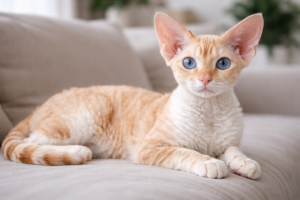
The Devon Rex has a soft, wavy coat. It feels like suede under your hand. Because the hair is short and curly, shedding stays low. Loose hairs often stay trapped in the waves. That means fewer hairs on your sofa. They are playful and a little goofy. Many owners call them “clown cats.” They love being near you all the time. Grooming is easy, but be gentle. Rough brushing can irritate the coat. Use a soft mitt or a damp cloth instead. For many homes, this breed fits “cat breeds don’t shed” expectations well.
3) Cornish Rex
The Cornish Rex is another curly-coated favorite. Their coat is very short and fine. It often has only the undercoat layer. That can mean less shedding overall. They feel warm and silky when you cuddle them. They are athletic and fast, with a playful mood. Expect zoomies and high jumps. A light wipe-down can replace heavy brushing. They also enjoy warm rooms and cosy beds. If your home is cooler, add soft blankets. This is a classic choice among cat breeds with minimal shedding. They bring energy without bringing piles of fur.
4) Peterbald
Peterbald cats can be hairless or lightly coated. Some have a peach-fuzz feel on the skin. Others have a short, fine coat that sheds little. That range makes them interesting for low-fur homes. Hairless types need gentle baths and skin care. Coated types may need only light grooming. They are social and often very attached to people. Many want to sit on your lap for hours. They can also be chatty and curious. If you like a “velcro cat,” this breed is a good fit. For “cat breeds that don’t shed,” the hairless variety is strongest. But even coated types often stay low-shed.
5) Oriental Shorthair
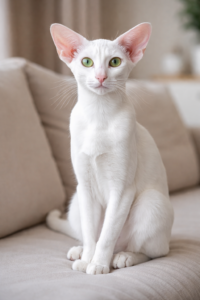
Oriental Shorthairs have sleek, short coats. The hair lies close to the body. That usually means less loose fur around the home. They come in many colours and patterns. They are smart, bold, and very talkative. If you enjoy a chatty cat, you will smile often. Weekly grooming can be as simple as a soft glove. They also benefit from play and mental games. Puzzle feeders and wand toys work great. They form strong bonds with their people. This breed is often listed among cat breeds that don’t shed in casual conversation. In reality, they shed lightly and are easy to manage.
6) Siamese
Siamese cats have a short, fine coat. It sheds, but usually less than fluffy breeds. Their fur is tight and smooth to the touch. That makes cleaning easier in many homes. They are affectionate and very vocal. They often want to be included in everything. A quick weekly wipe with a damp cloth helps. They also enjoy routine and attention. If left bored, they may get loud. So, daily play is important. Many people searching for “cat breeds that don’t shed” land here.
Think “minimal shedding,” with a big personality.
7) Burmese
Burmese cats have a satin-like short coat. It is dense but very sleek. They usually shed lightly and look shiny. They are affectionate and people-loving cats. Many act like lap cats well into adulthood. Grooming is simple and quick each week. A soft brush or grooming glove is enough. They also tend to enjoy indoor life. That helps keep their coat cleaner, too. Burmese cats suit families who want calm, cuddly companions. They are a solid pick among cat breeds with minimal shedding.
You get sweetness, without the fur storms.
8) Bombay
Bombay cats look like tiny black panthers. Their short coat is glossy and close-fitting. That often means minimal fur on furniture. They are friendly and confident at home. Many enjoy being carried and cuddled. They can also play like kittens for years. Weekly grooming is easy with a soft glove. This also boosts shine and removes loose hair. Bombays often do well in apartments, too. They love warm laps and cosy corners. If you want a sleek cat with low mess, consider this breed. It matches many searches for cat breeds that dont shed.
9) Tonkinese
Tonkinese cats have short, fine coats. They tend to shed less than many fluffy breeds. Their fur feels smooth and low-maintenance. They are social and playful, with a friendly nature. They often enjoy other pets and gentle kids. Grooming is simple and takes a few minutes weekly.
They also love interactive toys and climbing trees. A bored Tonkinese may get mischievous. So, provide play and attention daily. They can be talkative but often softer than Siamese cats. If you want balance, this breed is a nice fit. For cat breeds with minimal shedding, they are a strong choice.
10) Russian Blue
Russian Blues have a plush feel, yet they can be tidy. They do have a dense coat, so they shed some. But many owners report less fur than expected. Their coat tends to hold together well. They are gentle, slightly shy, and very loyal. They often bond deeply with one person. Regular brushing helps keep shedding low. Once or twice a week can be enough. They also like calm homes and quiet routines. If you want a peaceful cat, consider this breed. They are not truly “cat breeds don’t shed.” But they can suit a low-fur lifestyle with steady grooming.
11) Bengal
Bengals have short, sleek coats with a pelt-like feel. They often shed less than fluffy cats. Their hair is tight, smooth, and easy to maintain. Many owners use a grooming glove weekly. Bengals are active and need daily play. They love climbing, running, and hunting games. A tired Bengal is a happy Bengal. If you want a calm lap cat, this is not it. But if you enjoy high energy, they are amazing. Their bold pattern also turns heads. In “cat breeds that don’t shed” searches, Bengals appear often. Just remember, low shedding does not mean low energy.
12) Abyssinian
Abyssinians have short, ticked coats. The hair is fine and lies close to the body. They shed, but usually not in heavy clumps. That makes cleanup easier for many homes. They are curious, active, and always exploring. They like heights, shelves, and cat trees. Weekly grooming is simple with a soft brush. They also benefit from play every day. Interactive toys help reduce boredom. If you love a lively companion, this breed shines. They are often grouped with cat breeds that shed little. Think of them as sleek, sporty, and tidy.
13) Singapura

Singapuras are small cats with short coats. Their fur is fine and usually low-shedding. They often look neat with little grooming effort. They are affectionate and gentle with their people. Many enjoy quiet cuddles and soft play. Because they are small, they can suit apartments well.
A weekly grooming glove helps remove loose hairs. They also enjoy warm spots and cozy beds. They can be shy with strangers at first. But they bond deeply once comfortable. If you want a sweet cat with minimal shedding, consider this breed. It fits many “cat breeds that don’t shed” goals.
14) LaPerm
LaPerm cats have curly coats that can vary in length. Some have short curls, others have longer curls. Those curls can help trap loose hair. That often means less fur on your home surfaces. They are friendly, relaxed, and people-oriented cats. Many enjoy being held and cuddled.
Grooming depends on coat length and curl tightness. Use gentle combing to prevent tangles. Do not over-brush, since curls can frizz. They often do well with families and other pets. If you want something unique, LaPerm is a fun option. They support searches like cat breeds that don’t shed, in a realistic way.
15) Balinese
Balinese cats look like long-haired Siamese. Here is the twist: they usually have a single coat. That can mean less shedding than many long-haired cats. They still shed, but often in a manageable way. They are affectionate, smart, and very people-focused. Many are talkative and love attention. Regular combing helps reduce loose hair at home. Two or three times weekly can work well. They also enjoy play and mental puzzles. If you want a softer, elegant look with less fur chaos, consider them. They are sometimes listed under cat breeds that don’t shed, which is casual wording.
Think “lower shedding,” not “no shedding.”
How to pick the best low-shedding cat for your home
Start with your lifestyle, not just the coat. Do you want a calm lap cat daily? Or do you want a playful explorer? Some low-shedding breeds are very high-energy. Bengals and Abyssinians need more activity. Rex cats also enjoy play, but vary by personality. Hairless cats need routine skin care. If that sounds annoying, skip the hairless option. If you love routines, a Sphynx can feel easy. Also, think about noise and talk levels. Siamese and Orientals can be very vocal. If quiet matters, consider Russian Blue or Burmese.
Next, think about your home environment. Do you keep it warm or cool? Rex and hairless cats prefer warmth and blankets. Cold homes can make them uncomfortable. Do you have kids or other pets? Many Tonkinese and Burmese do well with families.
Do you travel often?
Some clingy breeds dislike long periods of alone time. In that case, consider a pair of cats. Or choose a more independent personality. If possible, meet the cat before committing. Temperament matters as much as shedding level.
Simple grooming tips for a more fur-free home
Even cat breeds with minimal shedding need some care. A weekly grooming routine can make a big difference. Use a soft grooming glove for short coats. For Rex coats, use gentle tools and light pressure. For hairless cats, plan a mild weekly bath. Use cat-safe shampoo and warm water.
Dry them fully and keep them warm afterwards. Also, check ears, since wax can build up. Trim nails every few weeks for comfort and safety. Brush teeth when possible, even a few times a week.
That supports overall health and helps with E.E.A.T. style care guidance. Healthy cats often have healthier coats and less shedding. Food and hydration also matter more than people think. A balanced diet supports skin and coat health. Ask your vet about good diet options for your cat. Sudden shedding spikes can signal stress or illness.
Dry skin can also increase flakes and irritation. That can feel like “more mess” in the home. Provide fresh water and consider a water fountain. Many cats drink more when water is moving. Omega fats can help some cats, but ask first. Never give supplements without vet guidance. A small routine check can prevent bigger problems. That is part of responsible, experience-based cat care.
Easy home habits that reduce fur fast
Even with cat breeds that don’t shed much, hair happens. So, set up your home for easy cleanup. Use washable throws on couches and chairs. Pick fabrics that release hair more easily. A rubber broom works well on rugs and floors. A handheld vacuum makes quick daily touch-ups easier. Air purifiers can reduce floating particles in the room. Wash cat beds and blankets weekly if possible. Also, wipe window sills and favorite spots often. This keeps hair from building up. If allergies are a concern, clean more frequently. And keep the litter box area tidy and well-ventilated. A clean home helps both you and your cat feel better.
Also, think about where hair collects most. Cats love corners, sunny windows, and soft chairs. Place a cosy bed in those hot spots. You can wash that bed more easily than the sofa. Add scratching posts to protect furniture from stress scratching. Stress can lead to over-grooming and increased shedding. So, enrichment is not just for fun. It can also help with coat health. Rotate toys and add simple climbing spaces. Even a shelf or sturdy cat tree helps. A happy cat often grooms normally and sheds less. That is a quiet secret of a cleaner home.
Frequently asked questions about non shedding cat breeds.
People often ask if “non-shedding” means zero cleaning.
It does not mean that, sadly. It means less fur and easier maintenance overall. Hairless cats shed less fur but still need skin care. Rex cats often shed less, but still drop some hair.Short-coated breeds can be tidy with weekly grooming.
- If you want the least fur, consider a Sphynx or a Peterbald.
- If you want low shedding, consider the Devon Rex.
- Or consider Cornish Rex and Oriental Shorthair.
- If allergies matter, spend time with the breed first.
- Allergy triggers often come from saliva and skin proteins.
So, choose carefully and get medical advice when needed.
People also ask which cat is best for beginners.
Many beginners do well with Burmese or Tonkinese. They are friendly and often easy to handle.
Bombay cats can also be a good place to start. If you want hairless, know the routine first. Bathing and ear cleaning must be consistent. If you miss those steps, skin issues can happen. For busy owners, sleek short coats may feel simpler. Also consider adopting an adult cat from a rescue. Adult cats often have established temperaments. That makes matching your home much easier.
A calm match can matter more than coat type.
Final thoughts
A fur-free home is a lovely goal. A fur-reduced home is the realistic win. The breeds above can help you get there. Pick the cat that fits your life and energy. Then support them with simple weekly care. That is how “cat breeds don’t shed” becomes real life. If you want the least fur, go with a hairless or Rex breed. If you want sleek and simple, go short-coated and glossy. And remember, personality matters every single day. Meet the cat, ask questions, and trust your gut. If you want, tell me your home setup and schedule. I will help you pick the best two or three options.
1 Comment