

 By
By Introduction
Dog Joint Health plays an important role in keeping your furry friend active, comfortable, and happy throughout every stage of life. Whether you have a playful puppy, an energetic adult dog, or a senior companion, healthy joints are essential for normal movement, exercise, and daily activities.
Dogs depend on their joints for almost everything they do, including walking, running, jumping, climbing stairs, and playing. However, as dogs grow older, their joints can experience natural wear and tear. Some dogs may also develop mobility issues due to genetics, injuries, obesity, poor nutrition, or excessive physical stress.
Many dog owners only notice joint problems when their pet starts limping, avoiding activities, or struggling to stand up. However, supporting Dog Joint Health early can help maintain better mobility and improve overall quality of life.
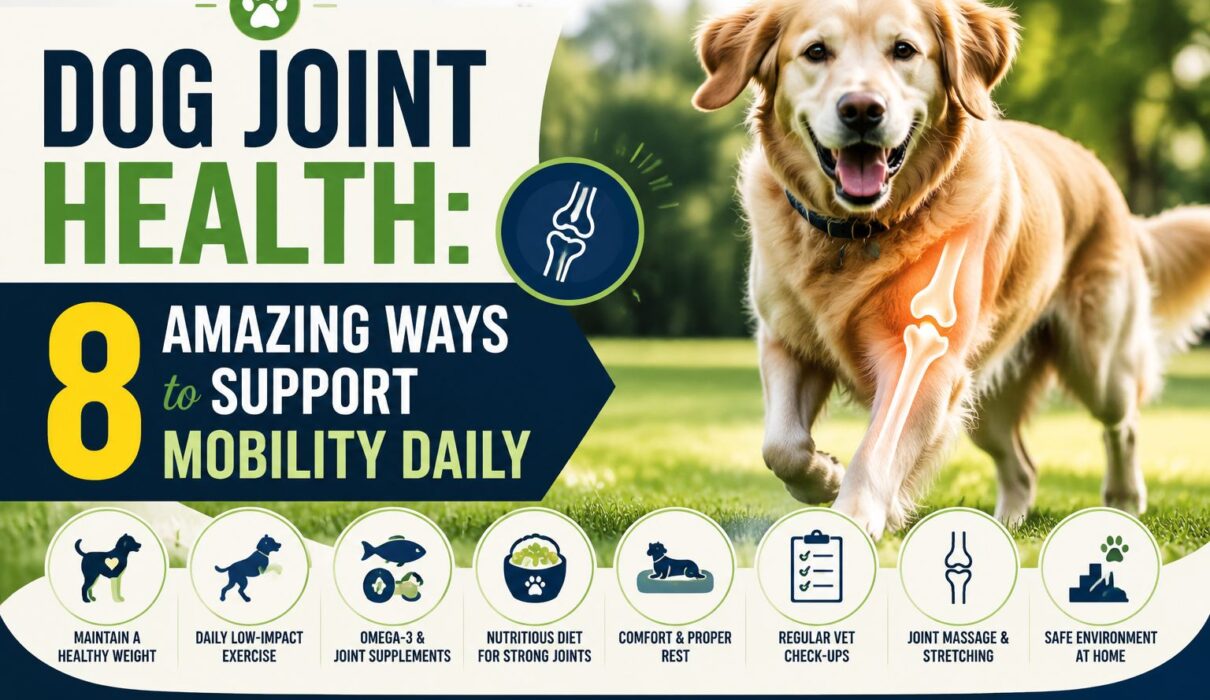
A healthy lifestyle that includes proper nutrition, regular exercise, weight management, and suitable supplements can provide long-term support for your dog’s bones and joints.Dog Joint Health: 8 Amazing Ways to Support Mobility Daily. Products like dog treats for joint health and mobility-supporting supplements may also help provide important nutrients that support flexible movement.
Understanding your dog’s joint needs and recognizing early warning signs can help you take action before small problems become serious mobility challenges.
What Is Dog Joint Health and Why Does It Matter?
Dog Joint Health refers to the condition and proper functioning of your dog’s bones, cartilage, ligaments, and connective tissues that allow smooth movement. Healthy joints help your dog move comfortably without pain, stiffness, or difficulty.
A dog’s joints work like a natural support system. They connect bones together and allow controlled movement while protecting the body from pressure and impact. When joints are healthy, dogs can enjoy normal activities such as running in the yard, playing with toys, and going on daily walks.
As dogs age, the protective cartilage inside joints may gradually become weaker. Cartilage acts as a cushion between bones, reducing friction during movement. When this cushioning system becomes damaged, bones may rub together, leading to discomfort, stiffness, and reduced mobility.
Supporting joint health is not only important for senior dogs. Puppies and adult dogs also need proper joint care because healthy development and maintenance can reduce future problems.
-
Understanding Your Dog’s Joints and Mobility
A dog’s joint system includes several important parts that work together to create smooth movement.
Cartilage is a flexible tissue that covers the ends of bones and helps absorb pressure. Joint fluid provides lubrication, allowing bones to move easily without unnecessary friction. Ligaments and tendons provide stability by keeping joints properly aligned.
When these parts are healthy, dogs can move freely and comfortably. They can jump, run, stretch, and play without difficulty.
However, when joints become weak or damaged, dogs may experience changes in their movement. They may walk more slowly, avoid certain activities, or show discomfort after exercise.
Maintaining healthy joints requires a combination of:
- Balanced nutrition
- Regular but controlled exercise
- Healthy body weight
- Proper rest
- Preventive care
These habits help protect the structures that support your dog’s mobility.
why Joint Problems Are Common in Dogs
Joint problems can affect dogs for many different reasons. While aging is one of the most common factors, it is not the only cause.
Age-Related Joint Changes
As dogs become older, their bodies naturally experience changes. The cartilage that protects joints may become thinner, and joint flexibility may decrease.
Senior dogs often need extra support because their joints may not recover as quickly after physical activity. Providing proper nutrition, comfortable resting areas, and mobility support can help older dogs stay active.
Excess Weight and Obesity

Carrying extra weight puts additional pressure on a dog’s joints. Every extra pound increases stress on areas like the hips, knees, and elbows.
Overweight dogs are more likely to experience mobility problems because their joints have to work harder during normal activities.
Maintaining a healthy weight through proper feeding and exercise is one of the most effective ways to protect your dog’s joints.
Genetics and Breed Factors

Some dog breeds are naturally more likely to experience joint concerns because of their body structure or inherited conditions.
Large breeds often place more pressure on their joints because of their size and weight. Certain small breeds may also experience joint issues due to their unique body structure.
Understanding your dog’s breed-related risks can help you create a better preventive care routine.
Injuries and Excessive Activity

Accidents, falls, and intense physical activity can affect joint health. Dogs that frequently jump from high places or participate in extreme exercise may experience additional stress on their joints.
Providing age-appropriate exercise and avoiding unnecessary strain can help maintain healthy movement.
How Joint Health Affects Your Dog’s Daily Life
Healthy joints influence almost every part of your dog’s lifestyle. When dogs experience joint discomfort, their physical activity and emotional well-being may also change.
Energy Levels
Dogs with healthy joints usually have more energy because movement is comfortable and enjoyable. They are more willing to play, explore, and interact with their owners.
When joint problems develop, dogs may become less active because movement feels difficult.
Exercise Ability
Daily exercise is important for maintaining a healthy weight and strong muscles. Strong muscles also provide additional support for joints.
Dogs with poor joint health may avoid walks, stop playing, or struggle with activities they previously enjoyed.
Comfort and Independence
Mobility allows dogs to perform everyday activities independently, such as getting up, climbing stairs, and moving around the home.
Supporting joint health helps dogs remain comfortable and active, especially as they enter their senior years.
Common Signs Your Dog May Have Joint Problems
Recognizing early signs of joint problems can help you provide support before mobility issues become severe.
Difficulty Standing, Sitting, or Climbing Stairs
One of the earliest signs of joint discomfort is difficulty changing positions.
You may notice your dog:
- Taking longer to stand up
- Moving slowly after resting
- Struggling with stairs
- Hesitating before jumping
These changes may appear gradually, so many owners mistake them for normal aging. However, they can indicate that your dog needs additional joint support.
Reduced Activity and Less Interest in Play
Dogs naturally enjoy movement, so a sudden decrease in activity can be a warning sign.
A dog experiencing joint discomfort may:
- Avoid walks
- Play less often
- Spend more time resting
- Lose interest in favorite activities
If your dog becomes less active, it is important to observe whether movement appears uncomfortable.
Providing supportive nutrition, including dog mobility health treats, may help maintain active lifestyles when combined with proper care.
Limping or Changes in Walking Pattern
Limping is one of the most noticeable signs of joint problems.
Dogs may:
- Favor one leg
- Walk unevenly
- Move differently after exercise
- Avoid putting pressure on a specific limb
Persistent limping should always be discussed with a veterinarian because it may indicate injury or an underlying joint condition.
Swollen or Sensitive Joints
Some dogs may show physical signs around affected joints.
Possible signs include:
- Swelling
- Sensitivity when touched
- Warm areas around joints
- Difficulty moving normally
These symptoms may require professional evaluation to determine the cause and appropriate care.
Behavioral Changes Due to Joint Discomfort
Pain and discomfort can affect a dog’s personality.
Some dogs may become:
- Less social
- More irritated
- Less interested in interaction
- Unwilling to be touched in certain areas
Changes in behavior should not be ignored because they may be your dog’s way of communicating discomfort.
8 Amazing Ways to Support Dog Joint Health Daily
-
Provide a Balanced Diet for Strong Bones and Healthy Joints
Nutrition is one of the most important foundations of Dog Joint Health. A balanced diet provides the nutrients your dog needs to maintain strong bones, healthy muscles, and flexible joints.
High-quality protein helps maintain muscle strength, and strong muscles provide additional support around joints.
Important nutrients that support joint health include:
Omega-3 Fatty Acids
Omega-3 fatty acids help support healthy joints and may promote comfortable movement. They are commonly found in fish oil and certain nutritional formulas.
Vitamins and Minerals
Essential vitamins and minerals support overall bone health. Proper nutrition helps maintain the strength of the skeletal system.
Healthy Weight Management
Feeding the correct amount of food helps prevent excessive weight gain. Maintaining a healthy body condition reduces unnecessary stress on joints.
A nutritious diet combined with exercise creates a strong foundation for lifelong mobility.
-
Use Dog Treats for Joint Health Support
Many dog owners use dog treats for joint health as a convenient way to provide additional nutritional support.
Joint health dog treats are designed to combine the benefits of a reward with ingredients that support mobility.
Common ingredients found in these treats include:
Glucosamine
Glucosamine supports cartilage maintenance and helps maintain healthy joint function.
Chondroitin
Chondroitin helps support cartilage structure and joint flexibility.
Omega Fatty Acids
These nutrients support overall joint comfort and mobility.
When selecting joint health dog treats, always choose products made with quality ingredients and consider your dog’s age, size, and specific needs.
-
Add Dog Bone Health Supplements When Needed
Some dogs may benefit from additional nutritional support through supplements.
Dog bone health supplements can provide nutrients that support bones, cartilage, and connective tissues.
Common supplements include:
Glucosamine Supplements
Help support cartilage health and joint function.
Chondroitin Supplements
Support healthy joint structure.
Collagen Supplements
Provide support for connective tissues.
Omega-3 Supplements
Help maintain healthy joints and mobility.
Supplements should be used as part of a complete care plan that includes proper nutrition, exercise, and veterinary guidance.
-
Maintain a Healthy Weight for Better Mobility
Weight management is one of the most effective ways to protect your dog’s joints.
Extra body weight increases pressure on joints and can make movement more difficult. Keeping your dog at a healthy weight helps reduce unnecessary stress and supports better mobility.
Healthy weight management includes:
- Measuring food portions
- Choosing nutritious meals
- Limiting excessive treats
- Providing regular exercise
A healthy body weight allows your dog to move more comfortably and enjoy daily activities.
-
Give Your Dog Regular Low-Impact Exercise
Exercise plays an important role in maintaining strong muscles and flexible joints.
The best exercises for joint support include:
Walking
Regular walks help maintain muscle strength without putting excessive pressure on joints.
Swimming
Swimming is an excellent low-impact activity because it allows dogs to exercise without placing heavy stress on their joints.
Gentle Play
Controlled play sessions help maintain movement while keeping dogs mentally stimulated.
Avoid excessive jumping, intense exercise, and activities that may put unnecessary pressure on joints.
Part 2 will continue with:
- Comfortable environment for joint protection
- Veterinary checkups
- Best joint health ingredients
- Joint-prone dog breeds
- Puppy, adult & senior joint care
- Supplements guide
- FAQs
-
Final conclusion
Complete Guide to Improving Dog Mobility & Preventing Joint Issues
Supporting your dog’s mobility requires more than just exercise and nutrition. A complete Dog Joint Health plan includes creating a comfortable environment, monitoring lifestyle changes, choosing the right supplements, and understanding your dog’s specific needs based on age and breed.
Joint problems often develop slowly, which means early care and prevention can make a significant difference. By following healthy daily habits, dog owners can help their pets maintain better movement, comfort, and independence throughout life.
Create a Comfortable Environment for Joint Protection
A dog’s surroundings can have a major impact on joint comfort, especially for older dogs or dogs already experiencing mobility challenges. Small changes at home can make movement easier and reduce unnecessary stress on joints.
Provide Orthopedic Sleeping Support
Rest is an important part of maintaining healthy joints. Dogs spend many hours sleeping and resting, so providing a supportive sleeping area can help protect their bones and joints.
Orthopedic dog beds are designed to distribute body weight evenly and reduce pressure on sensitive areas such as hips, elbows, and shoulders.
A comfortable bed can help dogs:
- Rest more easily after activity
- Reduce stiffness after sleeping
- Recover better from daily movement
- Maintain better comfort during aging
Senior dogs and dogs with mobility concerns often benefit from extra cushioning and support.
Make Your Home Mobility-Friendly
Many everyday household surfaces can create challenges for dogs with joint problems.
Hard floors, slippery surfaces, and stairs may increase the risk of slipping or putting extra pressure on joints.
You can make your home more comfortable by:
- Adding non-slip mats on smooth floors
- Providing ramps for stairs or vehicles
- Keeping food and water bowls easily accessible
- Creating clear walking spaces
These simple adjustments help dogs move confidently and reduce the chance of injuries.
Keep Your Dog Warm and Comfortable
Cold weather can make some dogs feel more stiff and uncomfortable. Keeping your dog warm, especially during colder months, may help support comfortable movement.
Helpful steps include:
- Providing a warm sleeping area
- Avoiding long exposure to cold temperatures
- Using comfortable bedding
- Allowing gentle movement before intense activity
A warm and comfortable environment supports overall well-being and helps dogs stay active.
Schedule Regular Veterinary Checkups for Joint Health
Regular veterinary visits are an important part of maintaining Dog Joint Health. Many joint problems develop gradually, and early detection allows owners to provide better support.
Veterinarians can identify changes in movement, body condition, and joint function before problems become severe.
Importance of Early Detection
Early recognition of joint concerns can help prevent discomfort from getting worse.
During routine checkups, veterinarians may evaluate:
- Walking patterns
- Muscle condition
- Joint movement
- Signs of pain or stiffness
Finding problems early allows dog owners to make lifestyle adjustments, including changes in diet, exercise, or supplements.
What Vets Check During Joint Evaluations
A veterinary joint assessment may include:
Physical Examination
The veterinarian checks your dog’s body for signs of swelling, sensitivity, or reduced movement.
Mobility Assessment
They observe how your dog walks, stands, and moves.
Health History Review
Your dog’s age, breed, activity level, and previous injuries help determine potential risks.
These evaluations help create a better care plan based on your dog’s individual needs.
When Should You Visit a Vet?
You should consider scheduling a veterinary appointment if your dog shows:
- Continuous limping
- Difficulty standing
- Sudden changes in activity
- Signs of pain
- Reduced interest in movement
- Swollen joints
Early professional advice can help protect your dog’s mobility and comfort.
Monitor Your Dog’s Liestyle and Mobility Changesf
Dogs cannot explain when they feel discomfort, so owners need to pay attention to small changes.
Regularly monitoring your dog’s behavior can help identify early mobility concerns.
Look for changes such as:
- Walking slower than usual
- Avoiding stairs
- Less interest in playing
- Difficulty jumping
- Sleeping more frequently
Keeping track of these changes helps you understand your dog’s needs and adjust their routine.
For example, an older dog may still enjoy walks but may need shorter distances and more rest periods.
Best Ingredients for Dog Joint Health
Many joint-support products contain specific ingredients that help maintain healthy mobility. Understanding these ingredients can help owners choose suitable options for their dogs.
Glucosamine and Chondroitin
Glucosamine and chondroitin are two of the most commonly used ingredients in joint-support formulas.
Glucosamine helps maintain healthy cartilage, which works as a cushion between bones. Supporting cartilage health helps joints move smoothly.
Chondroitin helps maintain the structure of cartilage and supports normal joint function.
These ingredients are commonly found in:
- Joint supplements
- Mobility formulas
- Joint health dog treats
Omega-3 Fatty Acids
Omega-3 fatty acids are important nutrients that support overall health, including joint function.
They are commonly found in fish oil and certain nutritional supplements.
Benefits may include:
- Supporting comfortable movement
- Maintaining healthy joints
- Supporting overall wellness
Omega-3 fatty acids are often included in products designed for active and aging dogs.
MSM (Methylsulfonylmethane)
MSM is a natural compound often included in joint supplements.
It provides nutritional support for connective tissues and helps maintain joint comfort.
Many mobility formulas combine MSM with glucosamine and chondroitin for complete joint support.
Green-Lipped Mussel
Green-lipped mussel is a natural ingredient used in some mobility supplements.
It contains nutrients such as omega fatty acids that support healthy joints.
It is often included in premium joint formulas designed for dogs needing additional mobility support.
Collagen for Joint and Bone Support
Collagen is an important protein that supports connective tissues throughout the body.
It helps maintain:
- Healthy cartilage
- Flexible connective tissues
- Strong structural support
Collagen-based supplements may be useful as part of a complete approach to maintaining mobility.
Dog Breeds More Prone to Joint Problems
Some dogs are naturally more likely to experience joint issues because of genetics, body size, or physical structure.
Understanding breed-related risks can help owners provide preventive care.
Large Dog Breeds at Higher Risk
Large breeds often place more stress on their joints because of their size and weight.
Common examples include:
German Shepherds
German Shepherds are active dogs that may experience hip and mobility concerns due to genetic factors.
Labrador Retrievers
Labradors are energetic dogs that can benefit from weight management and preventive joint care.
Golden Retrievers
Golden Retrievers are active family dogs that require proper nutrition and exercise to maintain mobility.
Great Danes
Because of their large body size, Great Danes need careful attention to healthy growth and joint support.
Small Dog Breeds With Joint Concerns
Small breeds can also experience mobility problems.
Examples include:
Dachshunds
Their long body structure can place additional stress on their back and joints.
Chihuahuas
Their small frame may make them vulnerable to certain joint issues.
Pugs
Their body structure can influence movement and mobility.
Regardless of breed size, proper nutrition, healthy weight, and regular care support better joint health.
Puppy, Adult, and Senior Dog Joint Care
Dogs have different joint needs depending on their life stage.
Supporting Puppy Joint Development
Puppies experience rapid growth, making proper nutrition extremely important.
Healthy puppy joint care includes:
- Balanced puppy food
- Appropriate exercise
- Avoiding excessive jumping
- Supporting healthy growth
Too much high-impact activity during development may place unnecessary stress on growing joints.
Adult Dog Joint Maintenance
Adult dogs need preventive care to maintain mobility.
Important habits include:
- Regular exercise
- Healthy weight management
- Quality nutrition
- Routine health monitoring
Providing support before problems appear can help adult dogs stay active longer.
Senior Dog Mobility Support
Senior dogs often need extra attention because aging naturally affects movement.
Helpful steps include:
- Gentle exercise
- Comfortable bedding
- Joint supplements when recommended
- Regular veterinary evaluations
Senior dogs can continue enjoying life when their mobility needs are properly supported.
Can Joint Health Supplements Prevent Mobility Problems?
Joint supplements can provide valuable nutritional support, but they should not replace a healthy lifestyle.
The best results usually come from combining:
- Proper nutrition
- Regular exercise
- Healthy weight
- Veterinary care
- Suitable supplements
Dog bone health supplements and mobility products may help support joint function, but every dog has different needs.
Before starting a supplement, it is best to discuss options with your veterinarian.
How to Choose the Best Joint Health Products for Dogs
Choosing the right joint product requires careful attention to ingredients and your dog’s needs.
Check Quality Ingredients
Look for products that contain proven nutritional ingredients such as:
- Glucosamine
- Chondroitin
- Omega fatty acids
- MSM
- Collagen
Quality ingredients provide better nutritional support.
Choose According to Age and Size
A puppy, adult dog, and senior dog may require different levels of support.
Consider:
- Your dog’s age
- Breed size
- Activity level
- Current mobility
Read Labels Carefully
Always check:
- Ingredient quality
- Serving recommendations
- Product safety information
Choosing carefully helps ensure your dog receives appropriate support.
Frequently Asked Questions About Dog Joint Health
What are the best treats for dog joint health?
The best treats for dog joint health contain supportive ingredients like glucosamine, chondroitin, omega fatty acids, or MSM. Choose treats based on your dog’s age, size, and health needs.
Do joint treats really help dogs?
Joint treats can provide nutritional support for maintaining mobility. They work best when combined with proper exercise, healthy weight management, and a balanced diet.
When should I start giving my dog joint supplements?
Some dogs may benefit from early support, especially breeds with higher joint risks. Your veterinarian can recommend the right timing based on your dog’s needs.
What are the best dog bone health supplements?
Common options include supplements containing glucosamine, chondroitin, collagen, MSM, and omega-3 fatty acids.
How can I improve my dog’s mobility naturally?
You can support mobility naturally through regular exercise, maintaining a healthy weight, providing balanced nutrition, and creating a comfortable living environment.
Can exercise improve my dog’s joint health?
Yes, controlled exercise helps strengthen muscles that support joints. Low-impact activities like walking and swimming are often beneficial.
Are senior dogs more likely to have joint problems?
Yes, aging dogs commonly experience changes in joint flexibility and mobility. Proper care can help senior dogs remain comfortable and active.
Final Thoughts: Keep Your Dog Active With Better Joint Care
Maintaining Dog Joint Health requires consistent daily care, not just treatment after problems appear. A combination of balanced nutrition, regular exercise, weight management, comfortable living conditions, and proper supplements can help protect your dog’s mobility.
Using supportive options like dog treats for joint health, joint health dog treats, and dog mobility health treats may provide additional nutritional benefits when included in a complete wellness routine.
Every dog deserves a life filled with movement, play, and comfort. By paying attention to early signs and providing preventive care, you can help your companion enjoy healthier joints and a more active lifestyle for years to come.