

 By
By Introduction
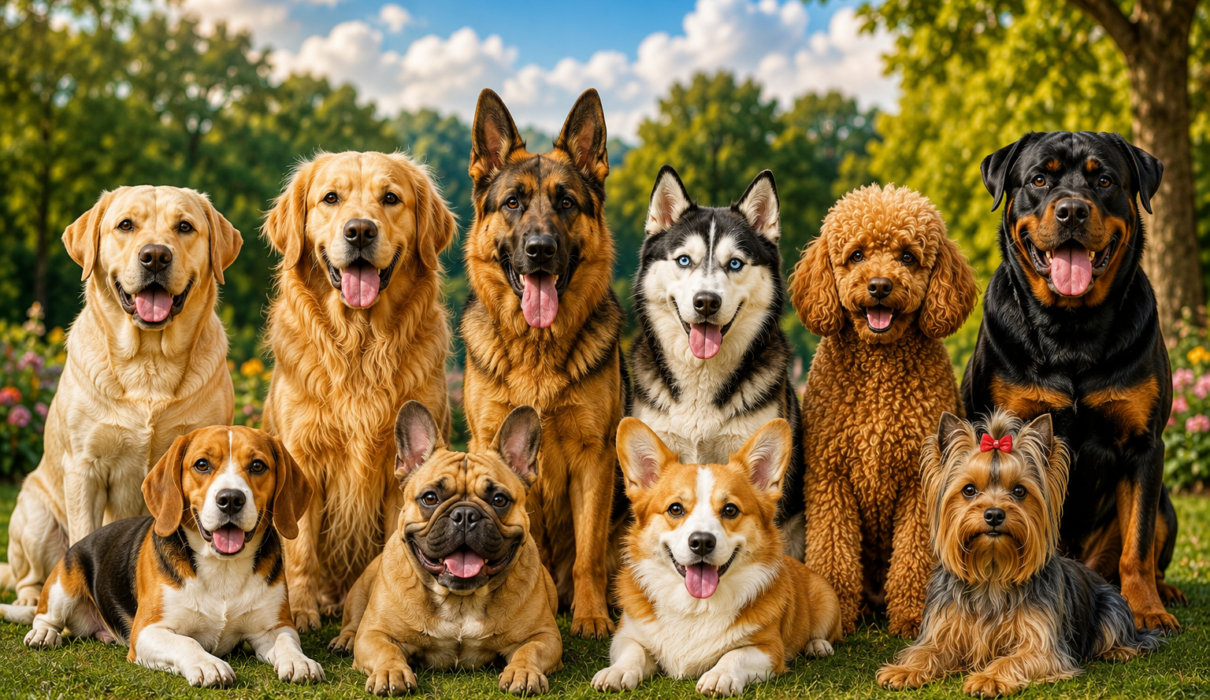
In the realm of dog breeds, there are 10 amazing types every dog lover must know.When it comes to dog breeds, there are 10 amazing types every dog lover must know. For thousands of years, dogs have been man’s friend and protector, providing unconditional love and protection to humans. There are hundreds of known breeds of dogs, different personalities, looks, levels of activity and purposes. Some breeds will make great family pets, others can fit well into a small apartment and others are great working dogs. The various types of dogs can help you to make sure that you are able to have the sort of pet that suits your lifestyle and also your expectations. If you’re just looking for the most popular dog breed, you might want to understand the different types of dog breeds for families or the in the world. But before you can choose a breed to join your family, you should understand the unique characteristics of each one. You will learn how dog breeds evolved, the importance of working with the right breed, and the first five major categories of dog breeds in this guide. At the end, you will know which breed would be best for your home and lifestyle.
What Are Dog Breeds?
A specific group of dogs with similar physical characteristics, behaviors and genetics is a dog breed. Humans have selectively bred dogs for many generations to use them for specific functions, like hunting, herding livestock, protecting homes, fetching game, or companionship. It is a careful breeding that led to the amazing diversity of dog breeds today. While all dogs are canines, there are huge variations in size, coat, temperament, intelligence and activity level among breeds. Both a Chihuahua and a Great Dane are dogs, but very different in size, appearance, and temperament due to their different uses. There are hundreds of breeds recognized by modern kennel clubs, and each breed has its requirements outlined in a breed standard, which specifies the ideal appearance, temperamental and physical characteristics of the breed. These standards are intended to safeguard the special traits which make each breed so unique. Understanding the various breeds of dogs will help you make a well-informed choice and avoid picking a dog simply because you find him handsome. While a gorgeous dog can be a gorgeous dog, it isn’t necessarily a dog for you if its exercise, grooming, or training requirements are more than you can manage.
What Defines a Dog Breed?
There are a number of distinguishing features between different breeds. The first is physical appearance. These include the size of the body, weight, coat length, coat colour, ear shape, tail structure and facial features. For instance, Huskies have thick double coats, which are useful in the cold weather while Greyhounds are lean and meant for speed. Temperament is the second characteristic. Different breeds are different in this, some like to be around other people and affectionate, and others are more private or protective. Some breeds, for example, are known for guarding and others are known for their friendliness, such as Labrador Retrievers. Working ability is also crucial. Throughout history, dogs have been bred to work specialized jobs to track scents, guard livestock, pull sleds, and retrieve birds. Even though many of these breeds are chiefly used for family pets, their instincts are still very strong in them. Breeds can also be differentiated by health attributes. Responsible breeding is particularly important and regular veterinary care is crucial with some breeds because they have a higher risk of developing certain inherited diseases.
Why Dog Breeds Differ in Appearance and Personality
Humans have selectively bred dogs to be useful to them, and that’s what has led to the amazing variation in breeds.
Intelligent dogs that can control livestock were required, which gave rise to highly trainable herding breeds such as the Border Collie.Hunters needed to have dogs with outstanding scenting or retrieving power, which led to the development of hounds and sporting breeds.Calm and affectionate companions were often favored by families, leading to the development of toy and companion breeds.Breed development was also affected by environmental factors.Certain breeds of dogs have thicker coats, which insulate them more, while other breeds from warmer climates tend to have shorter coats, that help regulate a body’s temperature.As a result of these specialized breeding programs, however, canines are not just different in appearance, but in behavior as well.Others have a natural, high energy level and need many hours of exercise every day.Some prefer just a moderate amount of walking and indoor activities.Knowing these natural tendencies allows owners to care for their animal in the right way and avoid frustration from having unrealistic expectations.
How Dog Breeds Have Evolved Over Time
The dog breeds have been around for thousands of years starting with the domestication of wolves. It’s here, at the dawn of humanity, that early people began to realize that some dogs had useful qualities, like hunting, intelligence, endurance and loyalty. Gradually the practice of breeding became more and more systematic. Dogs were intentionally bred with desirable traits to enhance those traits in future generations. Once civilizations grew, certain breeds were developed in various parts of the globe. Modern breeding programs are now aimed at maintaining breed standards while emphasizing health, temper and genetic diversity. Thanks to medical advances and genetic testing, responsible breeders can also minimize inherited diseases. While these advances have been made, good stewardship is still vital. Owners should know the nutritional, medical, exercise and emotional requirements of each breed before acquiring a dog.
Why Choosing the Right Dog Breed Matters
Adopting a dog is a commitment that may continue for a decade or more.One of the most crucial decisions a future owner can make is the choice of a breed.It is only by appearance that many people select a dog, without taking into account its exercise needs, temperament or grooming needs.Unfortunately, this often results in behavioral problems, frustration and even some cases of surrendering dogs to shelter.The most successful owner-dog relationships are built when all of a dog’s instincts match up with the lifestyle of its owner.Those who want to be active might want to get an energetic dog that is fun to be around outside and play, while a senior or apartment dog may want a calm temperament.Be they dog breeds for families or the best dog breeds in the world, knowing the characteristics of each breed makes the owner and dog more likely to have a happier relationship.
Lifestyle Compatibility
All breeds require a different lifestyle.
Active breeds require owners who can get plenty of exercise. If not provided adequate activities, these dogs can become bored and engage in destructive behaviour.
On the other hand, less energetic breeds tend to be better suited to less noisy homes and are less active.When you match your dog’s energy level with your daily schedule, the dog and you will enjoy a more balanced and happy relationship.Patience, friendliness and adaptability also need to be considered when choosing a breed for the family with children.There are breeds that are naturally good with children and love to be around them; this is part of their nature.
Living Space Requirements
Home size is an important factor in determining the breed.While they may generally need more room to be able to walk around comfortably, many large breeds are surprisingly content to stay in their home if they are given plenty of physical activity.Smaller breeds may do well in apartments, since they do not need as much room.Size should not be the only factor when choosing whether something is suitable, though.Several giant breeds are relatively laid back, and some small breeds have quite high energy levels.Deciding on a breed should take into account the space available, the proximity to parks, walking opportunities around the home, and climatic conditions.
Exercise and Activity Needs
One of the larger distinctions between different breeds of dogs is their exercise needs.Breeds that are generally used for working or sport activities will need lots of daily exercise, play, brain exercise, and advanced training.Moderately active breeds will need some more physical activity but do not need it as high as the more active breeds.Companion breeds may be able to be kept healthy with less energy if they are walked less and enriched at home.A proper exercise routine will help to prevent obesity and anxiety, boost mental health, and build some connection between dogs and owners.
Grooming and Maintenance
All breeds need a certain amount of grooming, but in varying degrees.Long haired breeds may require a lot of brushing to avoid matting and tangling.Double-coated breeds shed seasonally and will need regular maintenance all year round.Brushing is not so much required for short haired breeds, but regular brushing, along with nail trimming, ear cleaning and dental care is still beneficial.Owners should realistically consider if they have the time, money and dedication to commit to grooming and maintenance before choosing a breed.
10 Amazing Types of Dog Breeds Every Dog Lover Should Know
Dog breeds are often classified based on their use and similar traits.Learning about these types will help you to compare breeds and determine which kind will be right for you.
Sporting Dog Breeds
Sporting breeds originated to help hunters find, flush and retrieve birds and game.They are still one of the most popular dog breeds today thanks to their intelligence, friendliness and enthusiasm.These dogs are active, inquisitive and easily trained.They tend to like swimming, hiking, running, fetch and outdoor activities with their owners.Sporting breeds can also be very good at obedience, agility, scent work and therapy due to their co-operativeness.The popular sporting breeds are Labrador, Golden, Cocker and English Springer Spaniels, and Irish Setters.
Best Sporting Dogs
Labs have been among the most popular family dogs in the world for many years, loved for their friendliness, intelligence and versatility.Golden Retrievers are also known for being gentle and being very patient with children.A combination of enthusiasm, intelligence and athleticism, English Springer Spaniels make great companions for households with plenty of energy.
Who Should Own Sporting Dogs?
Sporting breeds are suitable for active people, families and people who enjoy the outdoors who are able to give the dog regular exercise, mental stimulation and training.These dogs will require a lot of walking, a lot of interactive play and will require a lot of outlet for their natural instincts and the owners should be prepared for all of this as well.
- Working Dog Breeds
Its working dog breeds were used for hard work such as guarding property, pulling sleds, rescues and protecting livestock.These dogs are very clever, self-assured, stamina driven and physically strong.Many continue to serve in police departments, military organizations, search-and-rescue organizations and service dog programs because of their natural abilities.The most popular working dogs are German shepherds, Rottweilers, Boxers, Doberman pinschers, Siberian huskies and Saint Bernards.
Popular Working Dogs
German Shepherds are known for being highly intelligent and versatile dogs.Rottweilers are strong protectors and form strong bonds with their families.Siberian Huskies are incredibly tough and were originally bred to pull sleds over a snowy landscape.
Strengths and Responsibilities
Working breeds need owners who are experienced and know how to train them, give them a sense of leadership, and offer them mental stimulation.They are very intelligent dogs that can become bored if they are not given enough exercise and make their own entertainment, which can result in undesirable behavior.
Australian Shepherds are intelligent, energetic and superb at obedience, agility and advanced training.
Though the Corgis legs may be short, it still has excellent instincts and confidence. The best homes for herding breeds is… These breeds do well with owners who like to train them, be outside, and play games with them. Herding dogs enjoy problem solving and learning new tasks as much as they enjoy physical exercise, so mental stimulation is as critical as physical exercise.
- Hound Dog Breeds
The purpose of hounds has been to locate and pursue a game, in either by an extraordinary sense of smell or an exceptional eye.Scent hounds track a scent over a very great distance, whereas sight hounds have outstanding speed and sight that allows them to chase down moving prey.Some common hound breeds include Beagles, Bloodhounds, Dachshunds, Greyhounds, Whippets and Basset Hounds.
Scent Hounds vs. Sight Hounds
Scent hounds have one of the most powerful noses in the animal kingdom, are excellent at finding lost individuals, animals, and smells. Sight hounds have lean, aerodynamic bodies that allow them to run swiftly over open ground to chase down fast-moving prey. Both have interesting natural characteristics still influencing their personalities today.
- Terrier Dog Breeds
The purpose of creating terriers was to pursue rodents and other small animals. They are one of the most unique dog breeds, with their fearless personalities, determination, and confidence. Many terriers are comparatively small, but have a tremendous amount of courage and energy. They like playing games, exploring and activities that challenge their body and mind. Jack Russell Terriers, Scottish Terriers, West Highland White Terriers, Bull Terriers and Airedale Terriers are popular breeds of terriers.
Energetic and Fearless Dogs

Terriers are intelligent, alert and have personality.
More often than not they form close relationships with their families and have a strong independence.They are a positive reinforcement trainer who uses regular exercise, positive reinforcement training and engaging activities to channel their enthusiasm into positive behaviours.Terriers are one of the most rewarding dog breeds globally for owners who want a dog with lots of confidence and that’s good for a party.The following are 10 more types of amazing dog breeds that every dog lover should know.
10 Amazing Types of Dog Breeds Every Dog Lover Should Know (Continued)
- Toy Dog Breeds

Toy dog breeds may be small in size, but they are full of personality, affection, and companionship.
While toy dog breeds can be the smallest of the bunch, they’re some of the biggest personalities.They were bred to be companion dogs, and are a great option for those who like to have a loyal pet that likes to spend some time with them.Many toy breeds are surprisingly energetic and playful, and can adapt to living in an apartment, condominium or home with limited space due to their small size.Toy breeds are smart creatures, frequently ready to learn.The small dog owner should think that small size does not mean little training, but that’s not true, consistent training and socialization play a role for toy breeds as well.With proper training, you can avoid undesired behaviors such as excessive barking or separation anxiety.Bred as a popular dog toy are the Chihuahua, the Pomeranian, the Maltese, the Yorkshire Terrier, the Papillon and the Shih Tzu.They all are alike, but they all have different traits, with a common trait being a need to be near their owners.
Best Small Companion Dogs

The affectionate nature and adaptability of many toy breeds provide them with some of the most popular dog breeds. The Maltese is a loving and gentle dog that can make a great family or senior dog. Despite its small size, the Pomeranian is lively, intelligent and full of confidence. Chihuahaus can have strong attachments to one or two members of the family, and can be very loyal. The toy breeds are great for people who don’t have a ton of room or want a pup that will go anywhere with their family. But due to their size they should always be handled with care, particularly in homes with very young children.
- Non-Sporting Dog Breeds
The Non-Sporting Group contains many breeds that do not belong in any other group.These dog breeds are very different in size, looks and temperaments and it’s one of the most varied breeds in the canine world.There are non-sporting breeds, whose characters are calm and relaxed, and other breeds which are active and playful.This variety demands that they research each breed separately and not make assumptions about the personalities of all non-sporting dogs.Fashionable breeds in this category are the Bulldog, Dalmatian, Dalmatian Chow Chow, French Bulldog, Boston Terrier and Bichon Frise.Many of these breeds have done exceptionally well in the family home and as such have become more popular.
Unique Personalities
The essence of a non-sporting breed is its independence.
French Bulldogs are loving and fun to have around, and they will do just fine in an apartment. Dalmatians are a lively breed, best suited to an active family who like outdoor activities. Bulldogs have a relaxed nature and are generally calm, gentle, and loyal. This group is extremely diverse and exercise requirements, grooming needs and temperament should be assessed before making a choice. It is important to know and understand these differences in order to get a successful match between owner and pet.
- Companion Dog Breeds
The main purpose for using companion dogs was to offer friendship and emotional support.
The main reason for using companion dogs was for emotional support and friendship.These dogs do not do well when left alone, unlike working breeds or sporting dogs, but are more apt to form close bonds with humans and tend to want to be with their people as much as possible.There are lots of companion breeds that are loving, friendly and wanting to please.Generally, they get along well with other pets and will fit into various lifestyles, such as those of first-time dog owners, seniors, and families with children.Cavalier King Charles Spaniel, Havanese, Pug, Bichon Frise and Shih Tzu are all popular companion breeds.These breeds are known for their affectionate nature and adaptability to family life.
Dogs That Love Human Company
Companion breeds are content when they are engaged in family activities. They love lounging with their owners, playing in the house and enjoying short walks or interactive games. These dogs are very emotional and may not tolerate extended periods of isolation. For owners who are away for extended periods, they may want to think about whether they can offer enough companionship or set up arrangements to care for pets in their absence. Companion dogs are among the most gentle and loving family dog breeds, making them ideal choices for those looking to join them in happy, loving relationships with humans.
- Guard Dog Breeds
For centuries, guard dogs have been trusted protectors.
These breeds were bred for home defence, livestock, and families, and are naturally alert, courageous and confident.They are also very protective but a properly trained shepherd dog isn’t aggressive for no reason.Instead, these dogs study a situation and react accordingly if they feel like there is a true threat.The most popular guard breeds are the Doberman Pinscher, German Shepherd, Rottweiler, Belgian Malinois, Cane Corso, and Bullmastiff.The intelligence and trainability of many of these breeds make them suitable for military, police and search and rescue work.
Protective Family Dogs
A well-socialized guard dog can be an extremely loyal family pet. German Shepherds are highly trusted with their intelligence, obedience and protective temperament towards children. Rottweilers are inquisitive and devoted family dogs, who are calm and confident. The Doberman Pinscher is a very loyal and fast learner dog, who is also elegant. Though these breeds are very capable, they will need consistent training, proper socialization and responsible ownership. Positive reinforcement promotes confidence and allows for appropriate behaviors to be learned with strangers and animals. These breeds are often referred to as some of the best dog breeds in the world due to their ability to provide protection while also being loving and caring.
- Mixed Dog Breeds
Mixed breed dogs are also known as mixed breeds or crossbreed dogs, and they have characteristics of two or more breeds. Each mixed-breed dog will be different and is an intriguing choice for dog owners who enjoy unique and individuality. Many mixed breeds are a union of their parent breeds’ strengths. Others may receive a blend of the two breeds, with intelligence and friendliness, resulting in a very well-rounded dog. However, due to their genetic diversity some hybrid dogs may suffer from fewer inherited health issues than some purebred breeds. Mixed-breed dogs are often seen in shelters and rescue groups, giving families the chance to be a loving home for them and to get a loyal dog that is there to stay.
Why are mixed breeds so popular?
Another appeal of mixed breeds is that they are versatile. They can be found in almost any size, coat and personality, so that potential owners can find a dog that fits their lifestyle. Many mixed-breed dogs are loving and intelligent and willing to learn. Each dog is also made one of a kind by their unique appearance. Mixed breeds can be wonderful lifelong companions, come from a rescue or responsibly bred.
There’s a lot more to selecting the right family dog than picking one with good looks. Before choosing a dog, families should think about the dog’s temperament, patience, trainability, exercise requirements, and the dog’s compatibility with kids. The top dog breeds for families are those that are friendly, adaptable, and able to bond with all members of the family. Labs are always among the top family dogs as they are easygoing, smart, and friendly. Their playful personalities make them great friends for kids and they’re easy to train to be great pets and do all sorts of dog work. Golden Retrievers are also known for their gentle demeanor and loving nature. They like to do things with families as a whole, and are said to be patient with children of all ages. Another great family dog is the beagle. They are curious, friendly and moderately sized pets, making them great additions to families who enjoy outdoor activities. Cavalier King Charles Spaniels is a perfect dog for a family that desires to keep a smaller one. They’re cuddly, flexible and tend to be good with kids and other animals. Poodles of three sizes: Toy, Miniature and Standard, are intelligent and friendly. In addition, their shedding levels are extremely low making them appealing to families who are seeking breeds that shed less loose hair (although no breed is hypoallergenic).
All dogs, irrespective of breed, will benefit from correct training, socialisation, regular veterinary visits and a steady affectionate upbringing.
These things are just as important in making your family’s pet happy and adjusted. To be a successful dog owner, you need to understand the temperament and activity level of the dog and find a balance with your home environment. Playful families can welcome a playful breed, and quiet families can opt for a more calm companion animal. With proper love and care, whether you are going to keep a purebred or mixed breed dog, they will be a companion for life and will build trust and companionship with them. By understanding the various breeds and individuals, each family can find a dog that will fit their lifestyle and make the experience of owning a dog a rewarding and unforgettable one.
12 Frequently Asked Questions
What are the most dangerous dog breeds?
Other breeds of dogs have a high level of protection and good body structure like the Rottweiler, American Pit Bull Terrier, Doberman Pinscher, German shepherd and Cane corso.But, a dog’s behavior is more a result of good training, socialization, and responsible ownership than it is a result of breed.
What are the best small dog breeds?
Some of the most popular small dog breeds are Chihuahuas, Pomeranians, Yorkshire Terriers, Shih Tzu, Maltese, Papillons and Cavalier King Charles Spaniels.These breeds are great doggies for apartments and smaller homes.
Where can I find dog breeds A–Z with pictures?
Numerous pet sites and dog breed lists have dog breeds organized alphabetically by breed, including photos and information.Most guides will include the size, temperament, grooming, exercise and life expectancy of each breed in order to help you decide which dog is right for you.
What are some popular dog breed names?
Some of the most common dog names include Labrador, Golden, German shepherd, French bulldog, Beagle, Poodle, Siberian husky, Rottweiler, Boxer, Dachshund, Border collie and Bulldog.
Where can I see dog breeds with pictures?
Picture dog breed guides are useful for comparing the appearance of dogs, their coat, size of dog, and personality.When looking at pictures with a dog description, it will be easier to recognize the dog that is the best one for you and your lifestyle.
What are dog breeds in English?
English dog breeds include Pugs, Shih Tzus, Yorkshire terriers, Doberman pinschers, Siberian huskies, Chihuahua, Bulldog, Boxer, German shepherd, and Labrador and Golden Retrievers and many other breeds that are recognized around the world.
Best Toy Dog Breeds: 7 Powerful & Adorable Small Dogs for Families