

 By
By Choosing the Best Abyssinian Cat Breeder
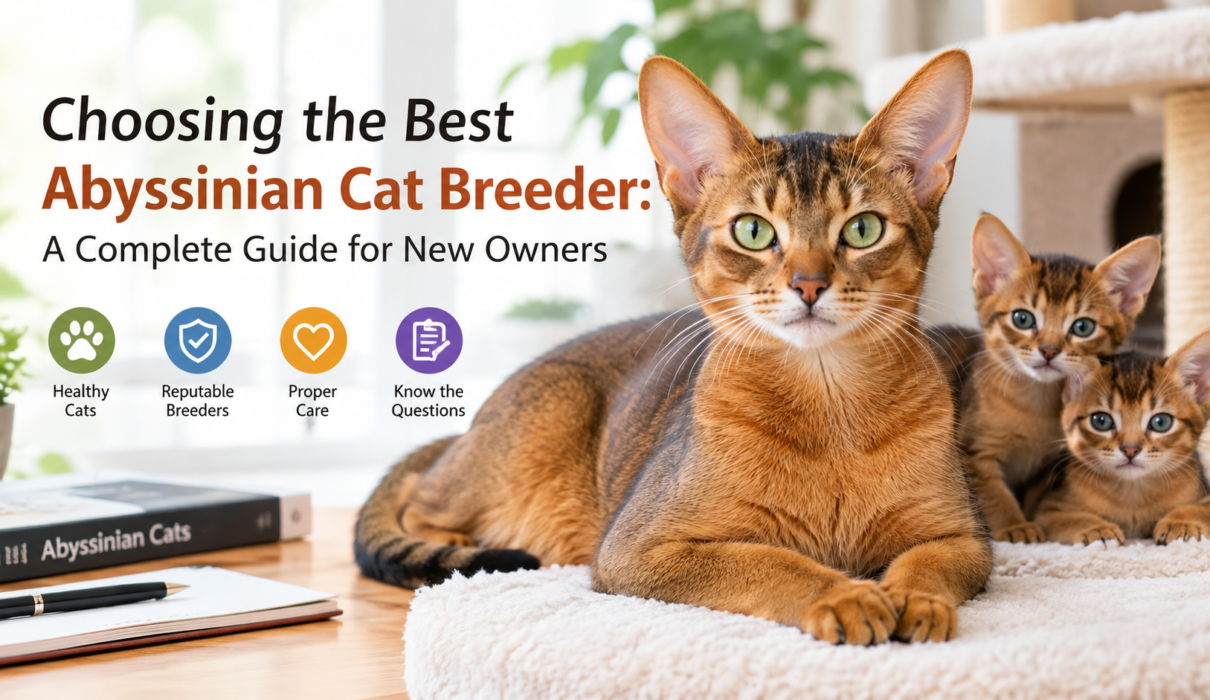
Choosing the right Abyssinian Cat Breeder is an important step for anyone who wants to bring an Abyssinian kitten into their home. A responsible breeder does more than produce kittens. They should care about the health, temperament, socialization, and overall welfare of their cats.
Abyssinian cats are known for their attractive ticked coats, active personalities, intelligence, and curious nature. Because these cats can be energetic and highly interactive, finding a healthy and well-socialized kitten is especially important.
Before choosing an Abyssinian Cat Breeder, potential owners should take time to research breeders, ask questions, look at health information, and understand how the kittens are raised.
Why Choosing the Right Abyssinian Cat Breeder Matters
The breeder you choose can have a major influence on the early life and overall development of your kitten. Responsible breeders pay attention to the health and welfare of both adult cats and kittens.
A good Abyssinian Cat Breeder should focus on responsible breeding rather than simply producing as many kittens as possible.
Important areas to consider include:
- Health of the parent cats
- Proper veterinary care
- Genetic and breed-related health screening
- Clean living conditions
- Kitten socialization
- Appropriate nutrition
- Responsible placement of kittens
A responsible breeder should also be willing to answer reasonable questions about their cats and breeding program.
What to Look for in an Abyssinian Cat Breeder
Finding an appropriate Abyssinian Cat Breeder requires some research. Do not feel pressured to choose the first breeder you find.
Experience With Abyssinian Cats
Look for a breeder who understands the Abyssinian breed and has experience caring for these cats. An experienced breeder should be able to explain the breed’s personality, care requirements, development, and common health considerations.
They should also be able to discuss why particular cats were selected for their breeding program.
Healthy Adult Cats
Pay attention to the condition of the adult cats. They should appear well cared for and should have access to clean food, fresh water, comfortable living areas, and appropriate veterinary care.
If possible, ask to see the kitten’s parents or learn about their health history.
Clean and Safe Environment
The environment where kittens are raised is another important consideration.
A responsible Abyssinian Cat Breeder should maintain a clean, safe, and comfortable space for the cats. Kittens should have enough room to move, play, rest, and interact with people.
Poor hygiene, overcrowding, or visibly unhealthy animals can be warning signs.
Proper Kitten Socialization
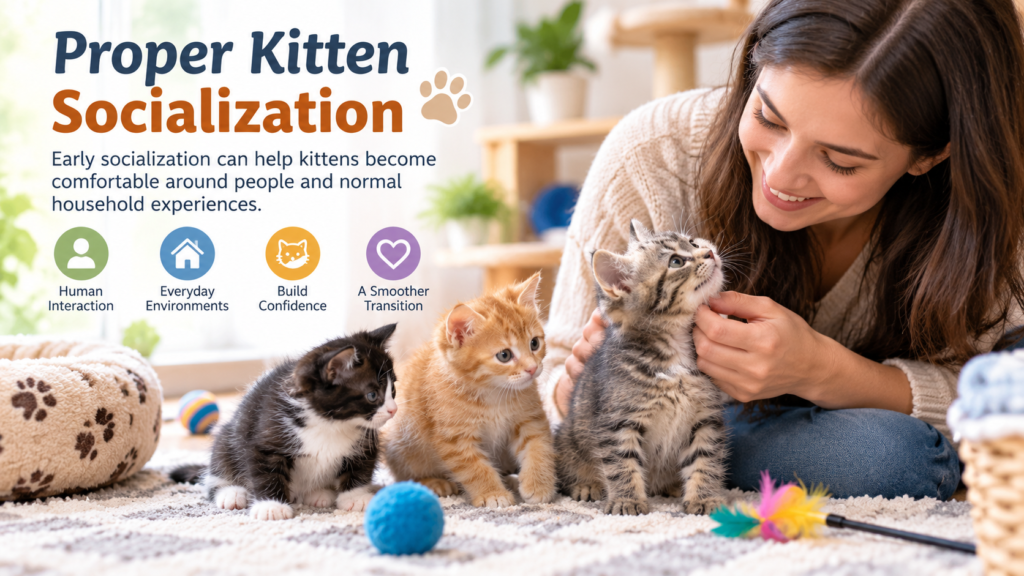
Early socialization can help kittens become comfortable around people and normal household experiences.
Ask the breeder how kittens are handled and socialized. Kittens that receive appropriate human interaction from an early age may have an easier transition into their new homes.
Open Communication
A good breeder should be willing to communicate clearly with potential owners.
They should answer questions about:
- The kitten’s parents
- Health records
- Vaccinations
- Feeding
- Socialization
- Registration or pedigree information, where applicable
- The kitten’s expected care needs
A breeder who refuses reasonable questions or avoids providing basic information should be approached carefully.
Questions to Ask an Abyssinian Cat Breeder Before Buying
Before making a decision, prepare a list of questions for the Abyssinian Cat Breeder. Asking questions can help you understand how the kittens are raised and whether the breeder is responsible.
Can You Meet the Kitten’s Parents?
Ask whether you can meet the kitten’s mother and, when practical, see information about the father.
Meeting the parents can give you useful information about their appearance, temperament, and general condition.
If the breeder cannot provide access to the parents for a legitimate reason, ask for clear information about their identity and health history.
What Health Testing Has Been Completed?
Health screening is an important part of responsible breeding.
Ask the breeder what health tests have been performed on the parents and whether veterinary documentation is available.
You can also ask whether the breeder screens for health conditions known to be relevant to Abyssinians.
Do not rely only on verbal claims. When appropriate, ask to see documentation.
How Are the Kittens Socialized?
Ask how often the kittens interact with people and what kinds of experiences they receive.
A breeder may introduce kittens to normal household sounds, gentle handling, different people, toys, and other appropriate experiences.
Good early socialization can help kittens become more confident as they grow.
What Veterinary Care Have the Kittens Received?
Ask for details about the kitten’s veterinary care.
Depending on age and local veterinary recommendations, this may include:
- Veterinary examinations
- Vaccinations
- Parasite prevention or treatment
- Health records
- Identification or registration information where applicable
A responsible Abyssinian Cat Breeder should be able to explain what care each kitten has received.
When Can the Kitten Go to Its New Home?
Ask the breeder when kittens are normally placed with their new families.
Kittens need adequate time with their mother and littermates for development and social learning. A responsible breeder should have a clear policy based on the kitten’s age, development, health, and welfare.
Be cautious of anyone who seems eager to send very young kittens to new homes simply to complete a sale quickly.
Signs of a Responsible Abyssinian Cat Breeder
There are several positive signs that can indicate you are dealing with a responsible Abyssinian Cat Breeder.
They Prioritize Cat Health
Responsible breeders care about the long-term health of their breeding cats and kittens. They should be willing to discuss veterinary care and relevant health screening.
They Care About Kitten Temperament
A responsible breeder should care about more than coat color or physical appearance. Temperament and suitability for a family environment are also important.
They Keep Good Records
Health and breeding records can provide useful information about a kitten’s background.
Ask what documentation will be provided when the kitten goes to its new home.
They Ask You Questions Too
A responsible breeder may want to know about your home, lifestyle, previous experience with cats, and plans for caring for the kitten.
This is generally a positive sign because it shows that the breeder is interested in finding appropriate homes rather than simply making a sale.
They Provide Guidance
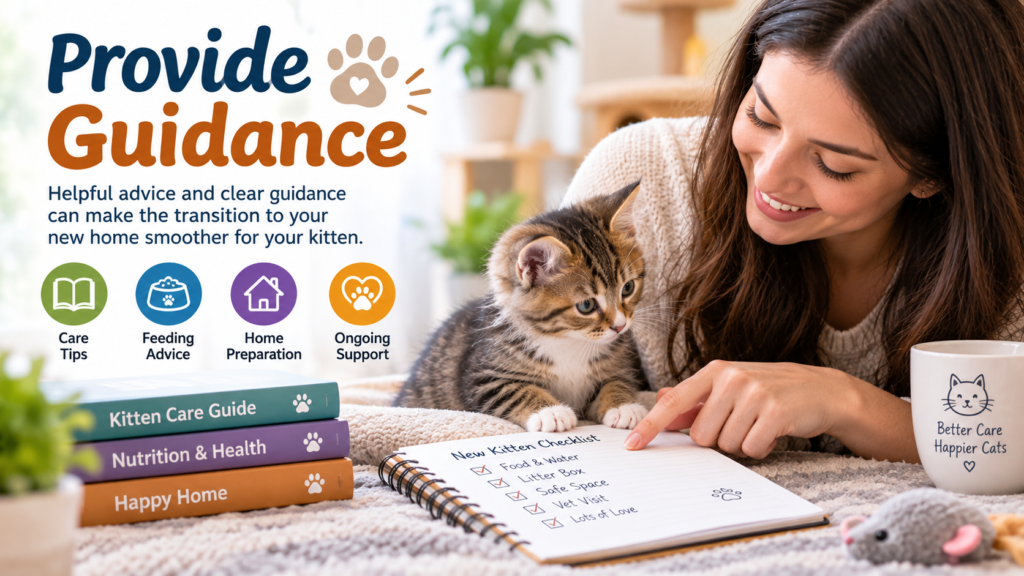
A good breeder may provide infor
mation about feeding, grooming, litter training, enrichment, veterinary care, and helping the kitten adjust to a new home.
Some breeders may also remain available for questions after the kitten has gone home.
Warning Signs to Avoid When Choosing an Abyssinian Cat Breeder
Not every person advertising Abyssinian kittens follows responsible breeding practices. Potential owners should watch for warning signs.
No Health Information
Be cautious if a breeder refuses to discuss the health of the parents or cannot provide basic veterinary information about the kittens.
Poor Living Conditions
Dirty, overcrowded, unsafe, or visibly unhealthy environments should be taken seriously.
Pressure to Buy Quickly
A breeder who constantly pressures you to send money immediately or makes you feel that you must purchase a kitten without asking questions may not be a good choice.
Too Many Different Breeds
Someone advertising a large number of unrelated breeds at the same time may require additional research. This does not automatically mean they are irresponsible, but it is worth asking about their breeding practices and how they care for each animal.
Unwillingness to Answer Questions
A reputable Abyssinian Cat Breeder should generally be comfortable discussing their breeding program, kitten care, and available documentation.
If basic questions are consistently avoided, consider looking elsewhere.
No Clear Information About the Kitten’s Background
You should have reasonable information about where the kitten came from, its parents, veterinary care, and early development.
Unclear or inconsistent information is a reason to slow down and investigate further.
How to Compare Different Abyssinian Cat Breeders
If you find several breeders, create a simple comparison list.
Consider:
| Factor | What to Check |
| Health | Health screening and veterinary records |
| Environment | Clean, safe, comfortable surroundings |
| Socialization | Regular and appropriate human interaction |
| Parents | Health and temperament information |
| Communication | Clear and honest answers |
| Documentation | Relevant health and registration records |
| Support | Guidance before and after adoption |
Comparing breeders this way can help you make a thoughtful decision instead of choosing based only on price or photographs.
Conclusion: Finding the Right Abyssinian Cat Breeder
Choosing the right Abyssinian Cat Breeder takes time and careful research. A responsible breeder should prioritize the health and welfare of their cats, provide appropriate care for kittens, and communicate openly with potential owners.
Before choosing a kitten, ask about the parents, health testing, veterinary care, socialization, living conditions, and available documentation. Pay attention to both positive signs and potential warning signs.
Remember that purchasing an Abyssinian kitten is a long-term commitment. Taking extra time to research breeders can help you make a more informed decision and give your future cat a healthier and happier start.
Health Testing and an Abyssinian Cat Breeder
Health should be one of the most important considerations when choosing an Abyssinian Cat Breeder. Responsible breeders should pay attention to the health of their breeding cats and kittens.
Before choosing a kitten, ask the breeder about health screening and veterinary care.
Ask About the Parents’ Health
The health history of the kitten’s parents can provide useful information. Ask whether the parents have received appropriate veterinary examinations and breed-relevant health testing.
A responsible breeder should be willing to explain what testing has been performed and provide documentation when appropriate.
Ask About Veterinary Records
Kittens should receive appropriate veterinary attention based on their age and individual needs.
Ask whether the breeder provides records showing:
- Veterinary examinations
- Vaccinations
- Parasite prevention or treatment
- Health information
- Other relevant medical care
Keep these records after bringing your kitten home and share them with your veterinarian.
Understand Breed-Related Health Concerns
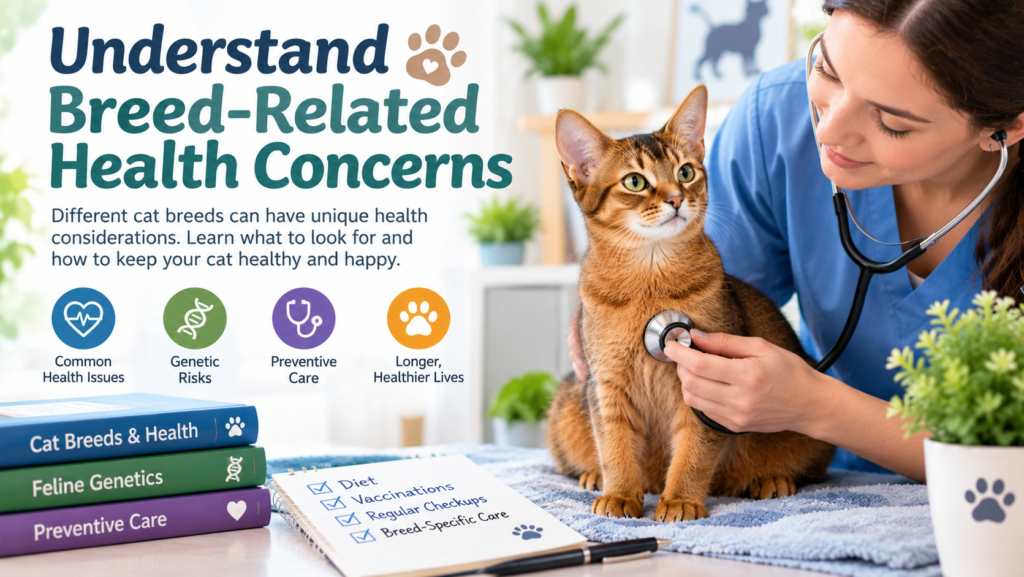
Abyssinian cats, like other cat breeds, can be susceptible to certain inherited or breed-associated health problems.
This does not mean that every Abyssinian will develop a health condition. However, responsible breeders should be aware of relevant concerns and use appropriate health-screening practices.
Potential owners should discuss breed-specific health questions with both the breeder and a qualified veterinarian.
Visiting an Abyssinian Cat Breeder
Whenever possible, visiting an Abyssinian Cat Breeder can help you learn more about how the cats and kittens are raised.
A visit can give you an opportunity to observe the environment and ask questions directly.
Look at the Living Environment
The cats should have a clean, safe, and comfortable environment.
Look for:
- Clean sleeping areas
- Fresh water
- Appropriate food
- Safe spaces for cats
- Adequate room for movement
- Proper litter areas
The environment does not need to look luxurious, but it should be well maintained and suitable for cats.
Observe the Adult Cats
Pay attention to how the adult cats appear and behave.
They should generally look appropriately cared for and should not appear severely neglected or unhealthy.
Their behavior can also give you useful information about the breeder’s approach to socialization and handling.
Observe the Kittens
Healthy kittens should receive appropriate care and should be given opportunities for normal development and social interaction.
Ask how the kittens spend their day, what they eat, how they are handled, and what experiences they have had.
Ask Questions During Your Visit
Do not be afraid to ask detailed questions.
A responsible Abyssinian Cat Breeder should understand that potential owners want to know about the kitten’s background and care.
If the breeder becomes uncomfortable with reasonable questions or refuses to provide basic information, consider this a warning sign.
How Much Does an Abyssinian Cat from a Breeder Cost?
The price of an Abyssinian kitten can vary considerably. There is no single price that applies to every breeder or every kitten.
Factors that may influence the cost include:
- Breeder experience
- Pedigree
- Location
- Veterinary care
- Health testing
- Registration
- Breeding expenses
- Kitten socialization
- Whether the kitten is intended as a pet or for breeding/show purposes
A very low price should not automatically be considered a bargain. It is more important to understand what is included in the price and how the kittens have been raised.
When comparing an Abyssinian Cat Breeder, look at the overall quality of care rather than choosing based only on the cheapest available kitten.
Preparing Your Home Before Bringing Home an Abyssinian Kitten
Once you have chosen a responsible Abyssinian Cat Breeder, prepare your home before bringing your kitten home.
A prepared environment can make the transition easier for both you and the kitten.
Food and Water
Choose appropriate food and provide clean, fresh water.
Ask the breeder what food the kitten has been eating. Keeping the diet consistent initially can make the transition easier, and any changes can be discussed with your veterinarian.
Litter Box
Prepare a clean litter box in a quiet and accessible location.
If possible, ask the breeder what type of litter the kitten has already been using. Maintaining familiar routines can help reduce stress.
Scratching Posts
Abyssinian cats are active and curious, so scratching posts and appropriate climbing options can be useful.
Place scratching areas where the kitten can easily access them.
Toys and Enrichment
Interactive toys can provide physical exercise and mental stimulation.
Consider providing:
- Wand toys
- Balls
- Puzzle toys
- Cat trees
- Scratching posts
- Safe climbing areas
Always supervise new toys when necessary and remove items that could create a safety risk.
A Quiet Adjustment Area
A new kitten may benefit from having a quiet area where it can rest and become familiar with its surroundings.
You can gradually allow the kitten to explore additional parts of the home as it becomes comfortable.
Alternatives to Buying from an Abyssinian Cat Breeder
Buying from an Abyssinian Cat Breeder is not the only way to find an Abyssinian cat.
Some people may prefer adoption or rescue.
Breed Rescue Organizations
Breed-specific rescue groups may occasionally have Abyssinian cats or Abyssinian mixes looking for new homes.
Availability varies by location, so patience may be necessary.
Animal Shelters
Local animal shelters and general rescue organizations sometimes have cats that resemble specific breeds.
Although a shelter may not always know a cat’s exact breed history, adoption can provide a home for an animal in need.
Rehoming Situations
Sometimes an adult Abyssinian cat needs a new home because of changes in its previous owner’s circumstances.
Adopting an adult cat can be a rewarding option, particularly for people who want to understand the cat’s established personality before bringing it home.
How to Make the Final Decision About an Abyssinian Cat Breeder
After researching several breeders, avoid making a decision based on photographs alone.
Instead, consider the complete picture.
Ask yourself:
- Does the breeder prioritize cat health?
- Are the cats raised in a clean and safe environment?
- Is health information available?
- Does the breeder answer questions clearly?
- Are kittens appropriately socialized?
- Are veterinary records provided?
- Does the breeder care about finding suitable homes?
The best Abyssinian Cat Breeder is not necessarily the breeder with the most attractive website or the lowest price. Look for someone who demonstrates genuine concern for the welfare of their cats and kittens.
Frequently Asked Questions About Choosing an Abyssinian Cat Breeder
How Do I Find a Reputable Abyssinian Cat Breeder?
Start by researching breeders carefully and looking for those who demonstrate responsible breeding practices. Ask about health testing, veterinary care, socialization, the parents, and kitten records.
What Questions Should I Ask an Abyssinian Cat Breeder?
Ask about the kitten’s parents, health screening, veterinary care, vaccinations, socialization, feeding, and when the kitten can go to its new home.
You can also ask what support and information the breeder provides after the kitten joins your family.
How Can I Tell if an Abyssinian Cat Breeder Is Responsible?
A responsible breeder generally prioritizes health and welfare, maintains suitable living conditions, provides relevant information, and answers questions honestly.
They should also care about where their kittens are placed rather than focusing only on completing a sale.
Should I Visit an Abyssinian Cat Breeder Before Buying?
When practical, visiting the breeder can be very useful. It allows you to observe the cats, kittens, living environment, and general care practices.
If an in-person visit is not possible, ask for reliable information and documentation and consider using additional verification methods.
How Much Does an Abyssinian Kitten Usually Cost?
The price varies depending on factors such as location, pedigree, health testing, veterinary care, breeder reputation, and the kitten’s intended status.
Instead of focusing only on price, compare the quality of care and information provided by different breeders.
Can I Adopt an Abyssinian Instead of Buying From a Breeder?
Yes. You can check breed-specific rescues, animal shelters, and other adoption organizations. Abyssinian cats and mixes may occasionally become available for adoption.
Final Tips for Choosing an Abyssinian Cat Breeder
Before making your final choice, keep these simple tips in mind:
- Research before contacting a breeder.
- Ask detailed health questions.
- Learn about the kitten’s parents.
- Check available veterinary records.
- Ask about socialization.
- Look for clean and appropriate living conditions.
- Avoid breeders who pressure you into a quick purchase.
- Compare several breeders when possible.
- Prepare your home before bringing the kitten home.
- Consider adoption as another option.
Taking these steps can help you avoid irresponsible sellers and improve your chances of finding a healthy, well-socialized companion.
Conclusion: Choosing the Best Abyssinian Cat Breeder
Choosing the right Abyssinian Cat Breeder requires patience, research, and careful questions. A responsible breeder should put the health and welfare of their cats ahead of simply making a sale.
Look for a breeder who can provide useful information about the kitten’s parents, health care, socialization, and early development. If possible, visit the cats and observe their environment before making your decision.
Remember that bringing an Abyssinian kitten home is a long-term responsibility. The right preparation and careful breeder selection can give your new companion a strong start and help create a positive relationship for years to come.
Whether you choose to purchase from a responsible breeder or adopt through a rescue organization, focus on finding a cat that is healthy, well cared for, and a good match for your home and lifestyle.