

 By
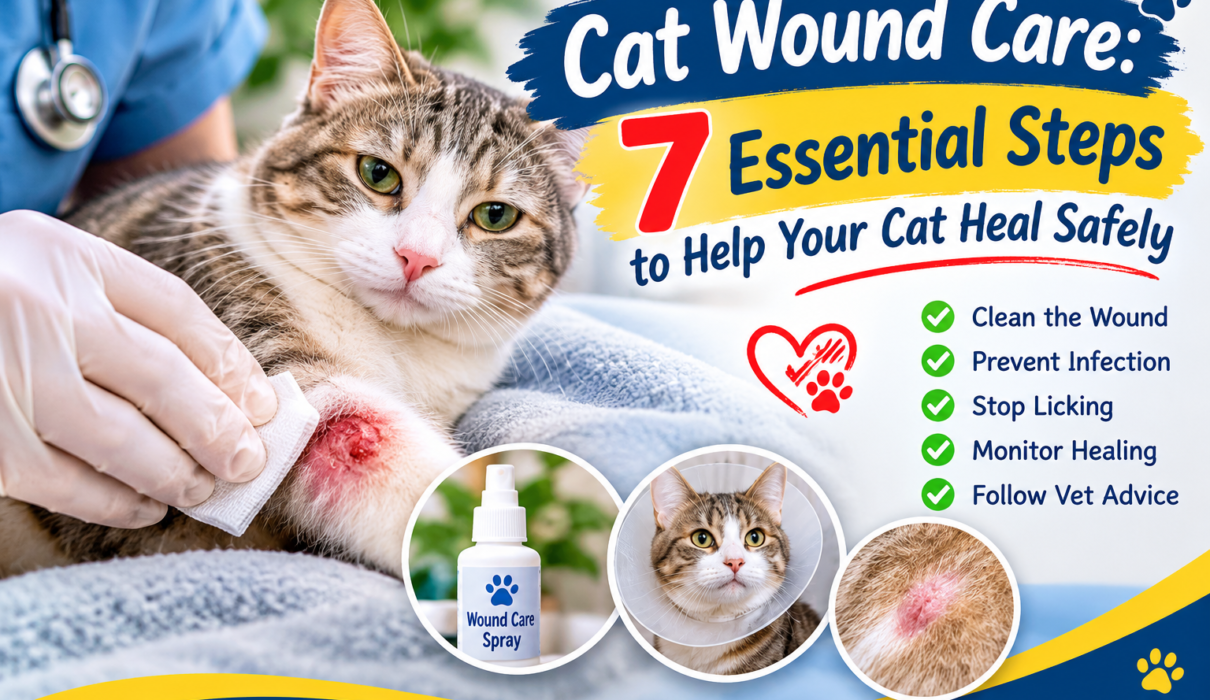
Cats are curious animals that love exploring their surroundings. Sometimes, their adventures lead to cuts, scratches, bites, or other injuries. Even small wounds can cause discomfort and infection without proper attention.
Learning about cat wound care helps you protect your pet during recovery. It also helps you recognize injuries that need immediate veterinary treatment. Some wounds look minor but hide deeper tissue damage underneath. Proper cleaning, gentle handling, and regular monitoring support healthy healing. Choosing suitable products also makes home care safer. Still, not every injury should receive treatment at home.
This guide explains how to identify common wounds and care for them safely. You will also learn when professional veterinary attention becomes necessary. These practical tips can help you make better decisions about your cat’s health.
1. Understand Different Types of Cat Wounds Before Treatment
Before starting treatment, identify the type of injury your cat has. Different wounds require different levels of attention. Some affect only the skin, while others damage deeper tissues.
Understanding these differences makes cat wound care more effective. It also helps you avoid treatments that could worsen an injury.
Common Types of Cat Wounds
- Cuts and Lacerations
Cuts happen when cats encounter sharp objects. Broken glass, metal edges, and sharp garden materials can cause injuries. Small cuts may impact the skin, while deep cuts can damage muscles.
- Scratches and Abrasions
Scratches usually impact the upper skin layers. They may happen during play, fights, or accidental contact. These injuries often cause mild bleeding and redness.
- Bite Wounds
Cat bites can create tiny punctures that look harmless. Their narrow openings may trap bacteria beneath the skin. This can lead to painful infections or abscesses.
- Puncture Wounds
Puncture injuries occur when sharp objects penetrate the skin. Their depth can make them more dangerous than visible appearances suggest. Veterinary examination is important for these injuries.
- Open Wounds
Open wounds involve broken skin and exposed underlying tissue. They may result from accidents, bites, or serious scratches. Some require stitches or other professional treatment.
Signs That Your Cat Has an Injured Wound
Watch your cat closely for unusual physical changes. Common warning signs include:
- Bleeding or visible skin damage.
- Swelling around the injured area.
- Redness, warmth, or tenderness.
- Excessive licking or biting.
- Unusual discharge or unpleasant smells.
- Limping or avoiding movement.
- Reduced appetite or unusual hiding.
These signs help you recognize injuries early. Contact your veterinarian if you notice worsening symptoms.
2. Clean the Wound Carefully Before Applying Any Product
Cleaning is an important part of wound care for cats. It helps remove dirt, loose debris, and surface contaminants. Gentle cleaning also reduces the risk of additional irritation. However, deep wounds should not receive aggressive home cleaning. Your veterinarian should examine serious injuries first.
Safe Steps for Cleaning a Minor Wound
Follow these steps only for small, superficial injuries.
Step 1: Keep Your Cat Calm
Choose a quiet place with minimal distractions. Speak gently and avoid sudden movements. Ask someone to help hold your cat if necessary.
Step 2: Wash Your Hands
Clean your hands thoroughly before touching the injured area. Wear disposable gloves when available. This reduces the transfer of bacteria.
Step 3: Examine the Injured Area
Part the surrounding fur carefully. Look for bleeding, swelling, dirt, or unusual discharge. Stop if your cat experiences significant pain.
Step 4: Use Sterile Saline
Gently rinse minor wounds with sterile saline solution. You can also use clean, lukewarm water when appropriate. Avoid scrubbing or rubbing damaged tissue.
Step 5: Pat the Area Dry
Use clean gauze to remove excess moisture. Avoid cotton materials that leave fibers behind. Never pull at attached debris or damaged tissue.
What Should You Avoid During Wound Cleaning?
Some household products can irritate damaged skin. Avoid using the following without veterinary instructions:
- Hydrogen peroxide.
- Rubbing alcohol.
- Strong antiseptic solutions.
- Essential oils and homemade mixtures.
- Human antibiotic creams.
- Strong soaps or fragrance cleaners.
These substances may damage healing tissue or cause irritation. Some products can also become harmful when cats lick them.
3. Cat Open Wound Care: Know When Home Treatment Is Unsafe
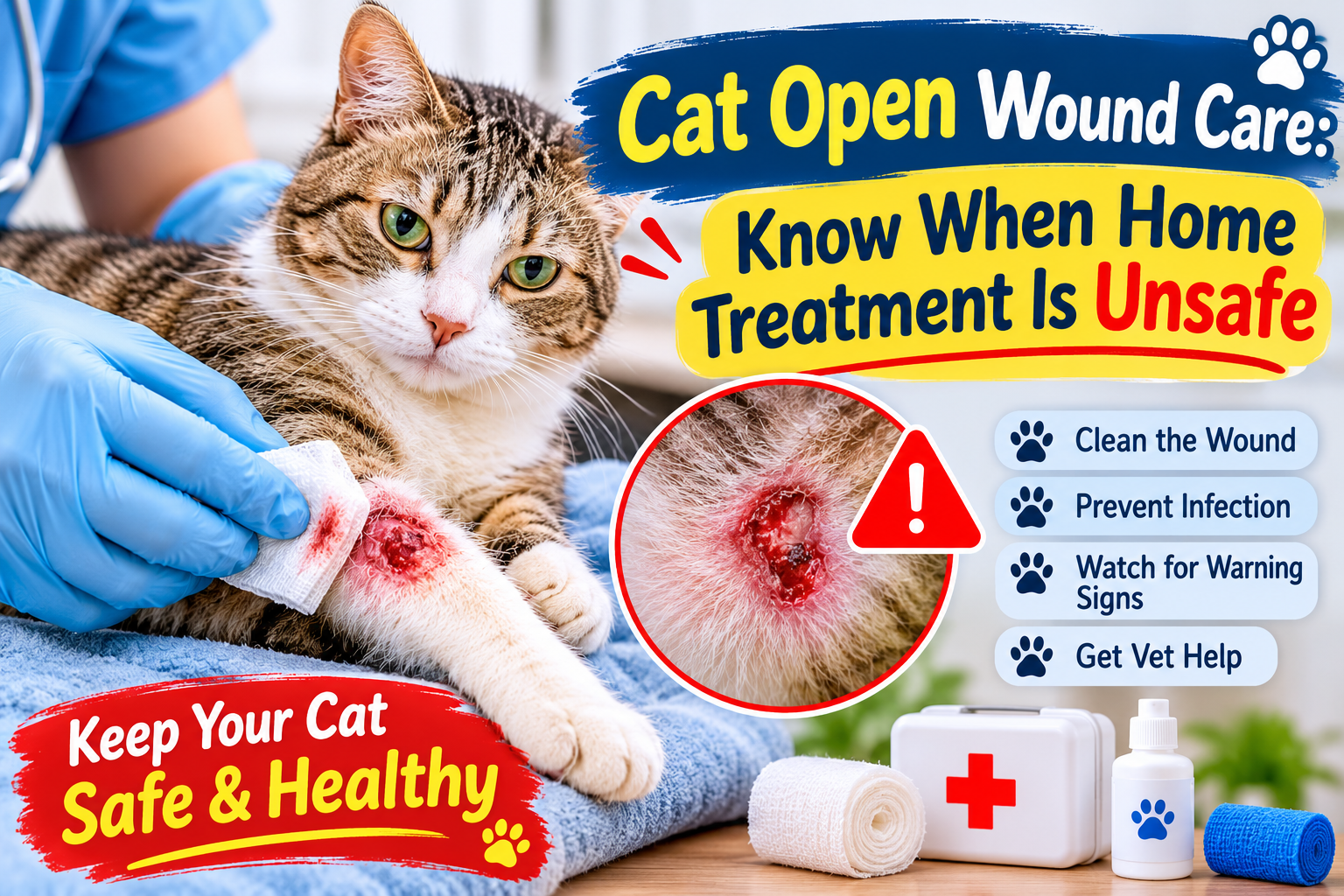
Cat open wound care requires extra attention because exposed tissue can become infected. The wound may also involve damage beneath the skin. Small, superficial injuries sometimes heal with appropriate veterinary guidance. Deep or complicated injuries need professional assessment.
How to Recognize a Serious Open Wound
Look for these concerning signs:
- Deep cuts with separated skin edges.
- Exposed muscles or underlying tissue.
- Continuous or heavy bleeding.
- Pus or thick yellow discharge.
- Increasing redness or swelling.
- Severe pain when touched.
- Skin discolouration around the injury.
Do not attempt to close deep wounds yourself. Avoid applying powders, creams, or household remedies.
What to Do Before Reaching the Veterinarian
If your cat has a serious injury, focus on protection.
- Keep your cat indoors and restrict movement.
- Prevent licking with a properly fitted recovery collar.
- Apply gentle pressure using clean gauze if bleeding occurs.
- Do not remove deeply embedded objects.
- Cover the injury loosely if appropriate.
- Arrange prompt veterinary examination.
Heavy bleeding, breathing difficulties, collapse, or severe trauma require emergency veterinary care.
Why Cat Bite Wounds Need Special Attention
Bite wounds deserve particular caution. Small punctures can close quickly and trap bacteria underneath. An abscess may develop several days after the injury. Possible symptoms include painful swelling, fever, and reduced appetite. Your veterinarian may recommend drainage, antibiotics, or other treatment. Never assume a tiny puncture is harmless.
4. Choose a Safe Wound Care Spray for Cats
Many pet owners look for convenient products when treating minor injuries. A wound care spray for cats may seem like an easy solution. Still, not every spray is suitable for feline skin.
Some products contain ingredients that irritate damaged tissue. Others may become dangerous when cats lick their wounds. Always check the ingredients and consult your veterinarian before application.
What Should You Look for in a Wound Care Spray?
A suitable product should meet your veterinarian’s recommendations. Consider these important factors:
- Cat-safe ingredients: Avoid products containing harmful essential oils or harsh chemicals.
- Gentle formulation: Choose products designed for animal skin.
- Clear instructions: Follow the recommended application amount and frequency.
- Easy application: Sprays should not require excessive handling.
- Veterinary approval: Ask your veterinarian before applying anything to an open wound.
Can You Use Human Wound Sprays on Cats?
Human wound sprays are not automatically safe for pets. Some contain alcohol, concentrated antiseptics, or other irritating ingredients.
Cats also groom themselves frequently. This increases their chances of swallowing products applied to their skin.
Therefore, never assume a human product is suitable for your pet. Professional advice is especially important for deep or infected injuries.
When Should You Apply a Wound Spray?
Only use a spray when your veterinarian recommends it. Some wounds need simple saline cleaning instead. Others require prescription medication or professional treatment.
A wound care spray for cats should never replace proper examination. It also cannot repair deep tissue damage or treat every infection.
5. Prevent Your Cat From Licking, Scratching, or Biting the Wound
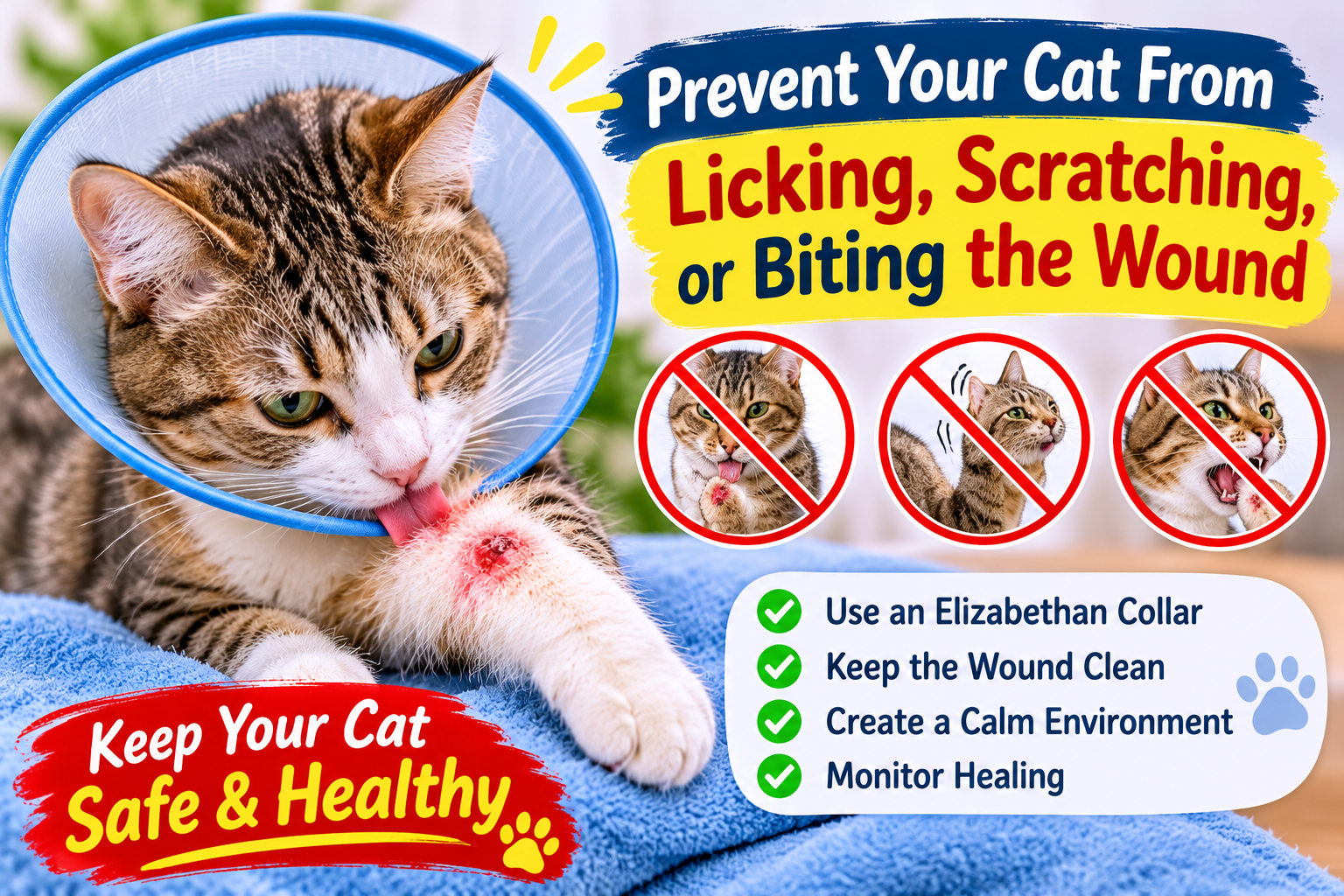
Cats naturally lick their bodies to maintain cleanliness. Unfortunately, licking an injured area can create additional problems.
Their mouths contain bacteria that may enter damaged tissue. Repeated licking can also reopen healing skin. This makes preventing excessive grooming an important part of cat wound care.
Use an Elizabethan Collar When Necessary
An Elizabethan collar is commonly called a recovery cone. It prevents cats from reaching certain injured areas.
Choose a comfortable size that allows normal breathing. Your cat should still be able to eat and drink. Ask your veterinarian to check the fit.
Consider a Recovery Suit
Recovery suits can protect wounds on the abdomen or body. They provide coverage without completely restricting movement.
However, suits are unsuitable for every injury location. They must also remain clean and dry.
Keep Your Cat’s Environment Clean
A clean environment supports better recovery. It also reduces unnecessary contact with dirt and contaminated surfaces.
Try these simple changes:
- Keep your cat indoors during recovery.
- Wash bedding and blankets regularly.
- Clean food and water bowls daily.
- Keep litter boxes clean.
- Prevent rough play with other pets.
- Provide a comfortable resting area.
These precautions support wound care for cats throughout recovery. They also help prevent additional irritation and accidental injuries.
6. Monitor Healing and Recognize Signs of Infection
Checking the wound regularly helps you notice changes early. A healing injury should gradually become less swollen and painful. New discharge, increasing redness, or unpleasant smells deserve attention.
Regular observation is an essential part of cat wound care. It helps you recognize complications before they become more serious.
What Does a Normally Healing Wound Look Like?
Healthy healing involves several gradual changes.
- Redness and swelling should generally decrease.
- The injured area should become less sensitive.
- Fresh tissue may appear pink and moist.
- Bleeding should stop.
- Your cat should gradually return to normal activities.
Some wounds heal with a protective scab. Others remain slightly moist during certain healing stages.
Never pull off scabs or disturb newly forming tissue. Your veterinarian can explain what normal healing looks like.
Warning Signs of an Infected Cat Wound
Infections can develop when bacteria enter damaged skin. Bite wounds are especially concerning because bacteria can remain beneath the surface.
Watch for these symptoms:
- Increasing Swelling
Swelling that becomes larger or more painful may indicate infection.
- Thick Discharge
Yellow, green, or cloudy discharge can suggest an infected wound.
- Unpleasant Smell
A strong or unusual smell may indicate tissue infection.
- Excessive Pain
Your cat may hide, growl, or resist being touched.
- Fever and Reduced Appetite
Infections can affect your cat’s overall health. Your pet may become tired, refuse food, or behave differently.
Contact your veterinarian promptly if these symptoms appear. Do not try to treat an infected wound using household remedies.
How Often Should You Check the Wound?
Inspect the injured area at least once daily. Follow your veterinarian’s instructions for cleaning and dressing changes. Take photographs when helpful to compare its appearance. Avoid touching the wound repeatedly during inspections. If its condition worsens, arrange another veterinary examination. Early attention can prevent more complicated treatment later.
7. Follow Your Veterinarian’s Instructions for Faster Recovery
Every injury has different healing requirements. Your cat’s age, health, and wound location also influence recovery. Some injuries need medication, while others require stitches or drainage. Following professional instructions makes cat wound care safer and more effective.
Give Prescribed Medication Correctly
Your veterinarian may prescribe antibiotics for bacterial infections. Pain relief may also be necessary after certain injuries. Follow the exact dosage and schedule provided. Never stop prescribed medication without professional guidance. Never give your cat human painkillers. Medicines such as paracetamol and ibuprofen can be extremely dangerous to cats.
Change Bandages Only as Instructed
Some wounds require protective dressings during recovery. Others must remain open for drainage. A poorly applied bandage can restrict circulation. It can also trap moisture and create additional problems. Follow your veterinarian’s dressing instructions carefully. Contact the clinic if a bandage becomes wet, dirty, tight, or slips.
Support Recovery Through Proper Nutrition
Good nutrition supports normal tissue repair. Your cat requires balanced food containing appropriate protein and essential nutrients. Fresh drinking water also supports general health. Avoid introducing supplements without veterinary approval.
How Long Does a Cat Wound Take to Heal?
Healing time depends on the injury’s size and severity. Small superficial scratches may improve within several days. Deeper injuries can require many weeks or longer. Surgical wounds may also need follow-up appointments. Infected wounds sometimes take longer because damaged tissue needs additional treatment. Never judge recovery by appearance alone.
How to Care for a Wound on a Cat After Veterinary Treatment
Many owners feel nervous after bringing an injured pet home. Following a simple routine can make recovery easier. If you wonder how to care for a wound on a cat, start with these habits:
- Follow the veterinarian’s written care instructions.
- Give medication at the scheduled times.
- Keep the injured area protected.
- Prevent licking and scratching.
- Check for swelling or unusual discharge.
- Keep follow-up appointments.
- Contact the clinic about unexpected changes.
Knowing how to care for a cat’s wound also means recognizing when home care isn’t enough. Do not delay professional help when symptoms become worse.
Common Cat Wound Care Mistakes Every Owner Should Avoid
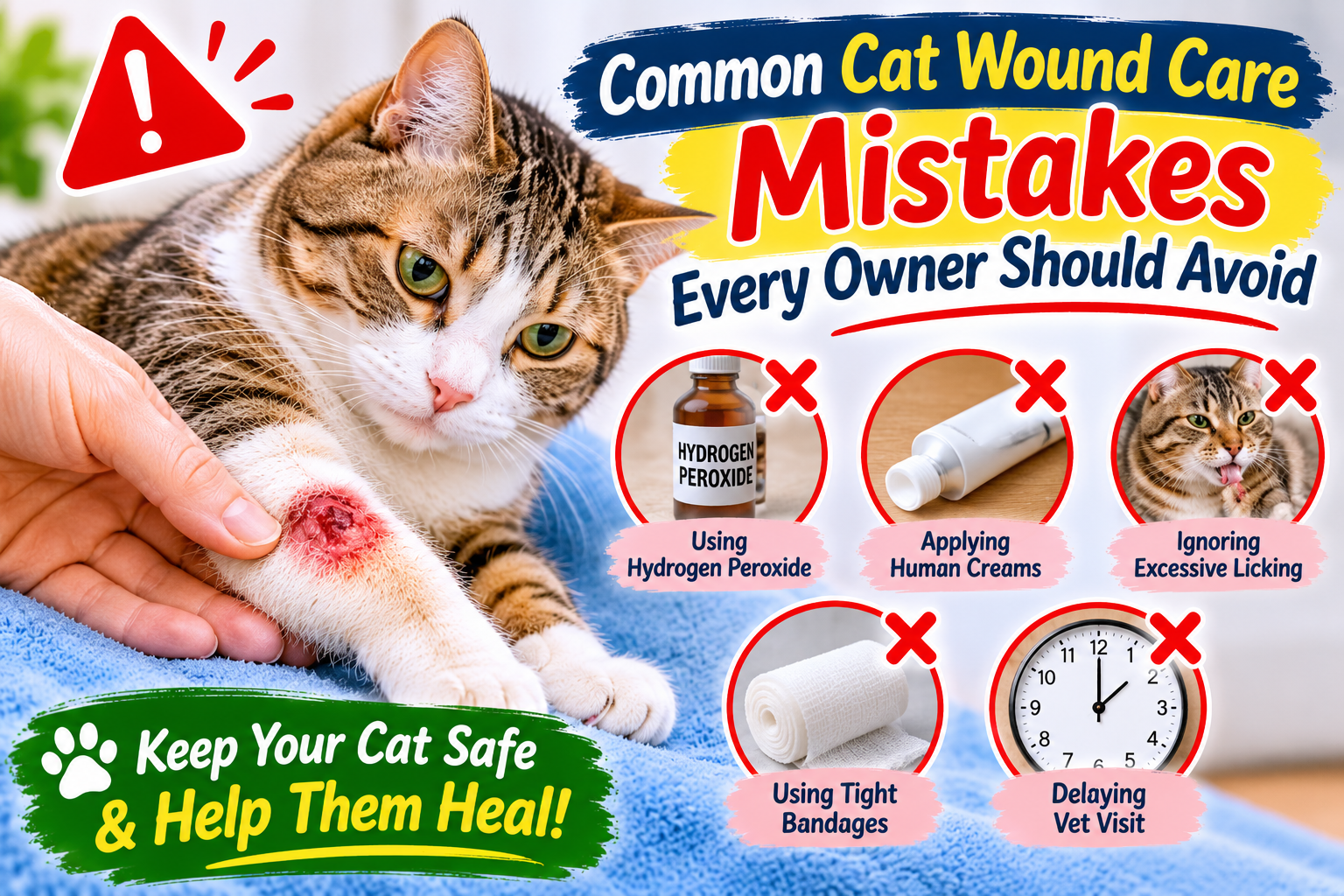
Good intentions do not always lead to safe treatment. Certain mistakes can irritate wounds and delay healing.
Avoid these common problems:
- Using hydrogen peroxide: It can damage healthy healing tissue.
- Applying alcohol: It can cause irritation and pain.
- Using human medication: Some ingredients are toxic to cats.
- Ignoring bite wounds: Small punctures can develop serious infections.
- Removing scabs: This can disturb newly forming tissue.
- Ignoring excessive licking: Repeated licking can reopen injuries.
- Using tight bandages: They can restrict blood circulation.
- Delaying veterinary visits: Serious injuries may worsen without treatment.
Remember that proper wound care for cats requires patience and careful observation. Avoid experimenting with unfamiliar products.
Frequently Asked Questions About Cat Wound Care
1. Can I Treat My Cat’s Wound at Home?
Some minor scratches may receive basic home care. Clean them gently with sterile saline or clean water. However, deeper injuries require veterinary examination. Safe cat wound care starts with identifying the injury. Never attempt to manage serious wounds without professional guidance.
2. What Is the Best Way to Clean a Cat’s Open Wound?
Sterile saline or clean lukewarm water is generally suitable for gentle cleaning. Avoid rubbing or scrubbing damaged tissue. For cat open wound care, follow your veterinarian’s recommendations. Deep wounds and punctures should receive professional attention.
3. Is Wound Care Spray for Cats Safe?
Some veterinary-approved sprays are suitable for specific injuries. Their safety depends on the ingredients and wound condition. A wound care spray for cats should only be used with veterinary approval. Avoid applying human sprays without checking their ingredients.
4. Should I Cover My Cat’s Wound With a Bandage?
Some injuries benefit from protective bandages. Others need to remain uncovered for proper drainage. During wound care for cats, bandages should only be applied as instructed. Incorrect wrapping can cause additional complications.
5. How Can I Stop My Cat From Licking Its Wound?
Use a properly fitted recovery collar when recommended. Keep your cat comfortable and supervise its activities. Preventing licking is an important part of cat wound care. Excessive grooming can damage healing tissue and introduce bacteria.
6. How Long Does an Open Wound Take to Heal?
Minor wounds may improve within several days. Deeper injuries can take weeks, depending on their severity. Proper cat open wound care helps protect damaged tissue. Veterinary follow-ups are important when healing takes longer than expected.
7. What Should I Do If My Cat’s Wound Starts Bleeding Again?
Apply gentle, steady pressure using clean gauze. Avoid removing the original dressing repeatedly. If bleeding continues or becomes heavy, seek emergency veterinary assistance. Do not delay treatment for serious injuries.
Conclusion
Proper cat wound care helps protect your pet from unnecessary discomfort and complications. Always examine injuries carefully before considering any home treatment. Clean minor wounds gently using suitable solutions and clean materials. Never apply harsh chemicals or unapproved products to damaged skin. Prevent licking, monitor healing, and follow veterinary instructions carefully. Remember that deep cuts and bite wounds need professional attention. Choosing safe treatments makes wound care for cats more effective. Your attention and patience can support a safer recovery.