

 By
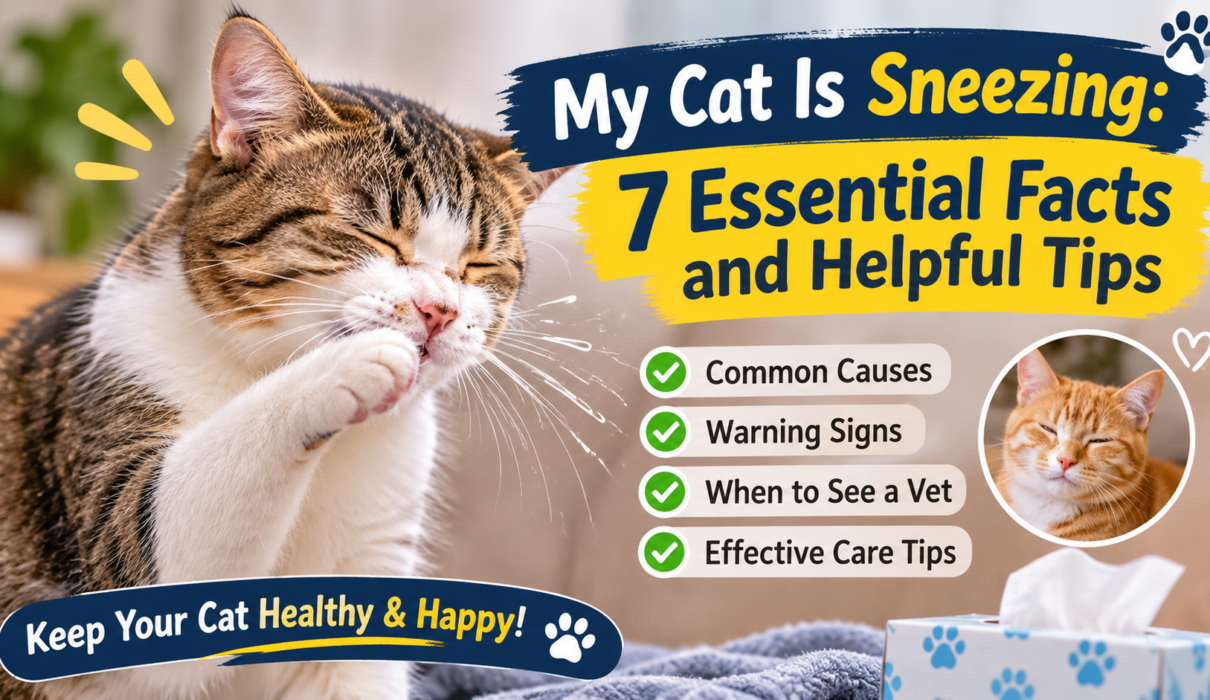
Hearing your cat sneeze occasionally can seem cute and completely harmless. Cats sometimes sneeze because dust, pollen, or other particles irritate their noses. However, frequent sneezing deserves attention, especially when additional symptoms appear. If my cat sneezes repeatedly, I should look into possible causes.
Several conditions can cause nasal irritation and repeated sneezing. These include respiratory infections, allergies, dental problems, and environmental irritants. Some causes disappear quickly, while others require professional veterinary treatment. Understanding these conditions helps you make better decisions about your cat’s health.
Many owners ask, “Is my cat sneezing because of an ordinary irritation or something serious?” The answer depends on frequency, accompanying symptoms, and your cat’s overall condition. This guide explains seven common causes and practical treatment options. You’ll also discover warning signs and helpful home-care tips.
1. Why Do Cats Sneeze?
Sneezing is a natural reflex that protects your cat’s respiratory system. It helps remove dust, dirt, and irritating particles from nasal passages. Cats may sneeze during grooming, playing, or exploring unfamiliar surroundings. Occasional sneezing usually disappears without causing additional health issues.
However, repeated episodes deserve closer observation from pet owners. If my cat is sneezing several times daily, something might irritate its nose. Notice whether sneezing happens indoors, outdoors, or after cleaning. Also observe watery eyes, nasal discharge, appetite changes, and unusual behavior.
Understanding the difference between occasional and frequent sneezing is important. If my cat is sneezing repeatedly throughout the day, monitor its symptoms carefully. A healthy cat typically returns to normal after occasional irritation. Persistent sneezing may indicate infection, allergies, or another underlying condition.
Normal Sneezing vs. Frequent Sneezing
Normal sneezing happens occasionally and often stops quickly. Your cat might sneeze after smelling dust or exploring a new area. These episodes generally disappear once the irritant leaves the nasal passages. Your cat should continue eating, drinking, playing, and behaving normally.
Frequent sneezing looks different and requires closer attention. Your cat might sneeze repeatedly during several periods throughout the day. Nasal discharge, congestion, and reduced energy may also develop. If your cat is sneezing frequently with these symptoms, contact your veterinarian. Keeping a symptom record can make veterinary examinations more helpful.
Sneezing vs. Reverse Sneezing
Regular sneezing pushes air outward through your cat’s nose. Reverse sneezing involves repeated inward snorting or noisy inhalation. It may sound like choking, coughing, or unusual breathing. Recording an episode can help your veterinarian identify the problem.
2. Seven Common Reasons Your Cat Is Sneezing
Different conditions can irritate nasal passages and cause repeated sneezing. Some causes are temporary, while others need professional investigation. Understanding these possibilities helps owners recognize important health changes.
If my cat is sneezing frequently, these seven causes deserve consideration. Similar symptoms can develop from entirely different conditions. Therefore, avoid guessing the diagnosis without veterinary guidance.
1. Upper Respiratory Infections
Upper respiratory infections are common causes of sneezing in cats. These infections often affect the nose, throat, and surrounding tissues. Feline herpesvirus and feline calicivirus are significant viral causes. They can produce several uncomfortable respiratory symptoms. Infected cats may develop watery eyes and nasal discharge. Some animals experience fever, congestion, coughing, or reduced appetite. Severe congestion can make smelling food difficult. This sometimes causes cats to eat less than usual.
If my cat is sneezing alongside watery eyes, an infection becomes one possibility. Viral infections can spread between cats through close contact. Shared bowls, bedding, and respiratory secretions may contribute. Keep infected cats separated when advised by your veterinarian. Vaccinations help protect against important feline respiratory diseases.
2. Environmental Irritants and Strong Smells
Cats have sensitive noses that react to environmental changes. Dust, smoke, perfume, and cleaning products can irritate nasal tissues. Air fresheners and scented candles may also trigger sneezing. Poor ventilation can increase exposure to household irritants.
Litter dust is another possible source of nasal irritation. Some scented litter products contain fragrances that sensitive cats dislike. If my cat is sneezing after cleaning, investigate recently used products. Switching to fragrance-free products may help reduce irritation.
Choose low-dust litter and maintain suitable indoor ventilation. Keep your cat away from smoke and chemical fumes. Avoid spraying cleaning products near sleeping areas. These simple changes can create a healthier indoor environment.
3. Allergies
Allergies can cause nasal irritation and repeated sneezing in cats. Common environmental allergens include pollen, dust mites, and mold. Some cats react to seasonal changes or indoor allergens. Other allergy symptoms may include itchy skin and excessive grooming. Watery eyes and skin irritation can also occur. Nasal allergies are possible, although respiratory infections remain important considerations.
If my cat is sneezing during particular seasons, environmental allergies deserve consideration. Observe when symptoms become worse and identify possible triggers. Indoor symptoms may relate to dust, mold, or household products. Outdoor symptoms may increase during pollen seasons. Discuss persistent problems with your veterinarian before using allergy medication.
4. Foreign Objects Inside the Nose
Small objects sometimes enter a cat’s nasal passages. Grass seeds, plant material, and tiny particles can cause irritation. Your cat may suddenly sneeze repeatedly after outdoor exploration. Foreign material can also cause nasal discharge or discomfort. Some cats paw at their faces or rub their noses. Sneezing may become intense when an object remains trapped.
Never insert tweezers or cotton swabs into your cat’s nostrils. This could push the object deeper or cause injury. Seek veterinary attention when symptoms begin suddenly or continue. A professional can examine the nose safely.
5. Dental Disease
Dental concerns can sometimes contribute to nasal symptoms. The roots of upper teeth sit close to nasal structures. Severe dental infections may affect nearby tissues and create inflammation. Possible warning signs include bad breath and difficulty chewing. Your cat may drool, avoid hard food, or show mouth discomfort. Nasal discharge and sneezing can sometimes accompany advanced dental disease.
A veterinary dental examination can identify infections or damaged teeth. Treatment may involve professional cleaning or removing affected teeth. Early dental care also helps prevent additional oral complications.
6. Nasal Growths and Polyps
Nasal polyps are abnormal tissue growths that may obstruct airflow. They can develop inside the nose or nearby throat areas. Some polyps occur in younger cats, while others impact adults. Affected cats may experience noisy breathing and persistent sneezing. Nasal discharge, snoring, and swallowing difficulties may also develop. Symptoms depend on the growth’s size and location.
Nasal tumors are another possible cause of ongoing respiratory symptoms. They are generally more concerning in older cats. Your veterinarian may recommend imaging or tissue sampling. Early investigation helps identify suitable treatment options.
7. Fungal Infections and Other Medical Causes
Fungal infections can influence a cat’s nasal passages and sinuses. Cryptococcus is one important fungal organism associated with feline illness. Certain environmental exposures may increase infection risks. Symptoms can include chronic sneezing and nasal discharge. Some cats develop facial swelling or changes around their noses. Eye problems and neurological signs may occur in advanced cases.
Persistent symptoms can also involve inflammation or structural abnormalities. Your veterinarian may recommend additional testing for uncommon conditions. Proper investigation helps identify the actual underlying issue.
3. Why Does My Cat Keep Sneezing? Is It Serious?
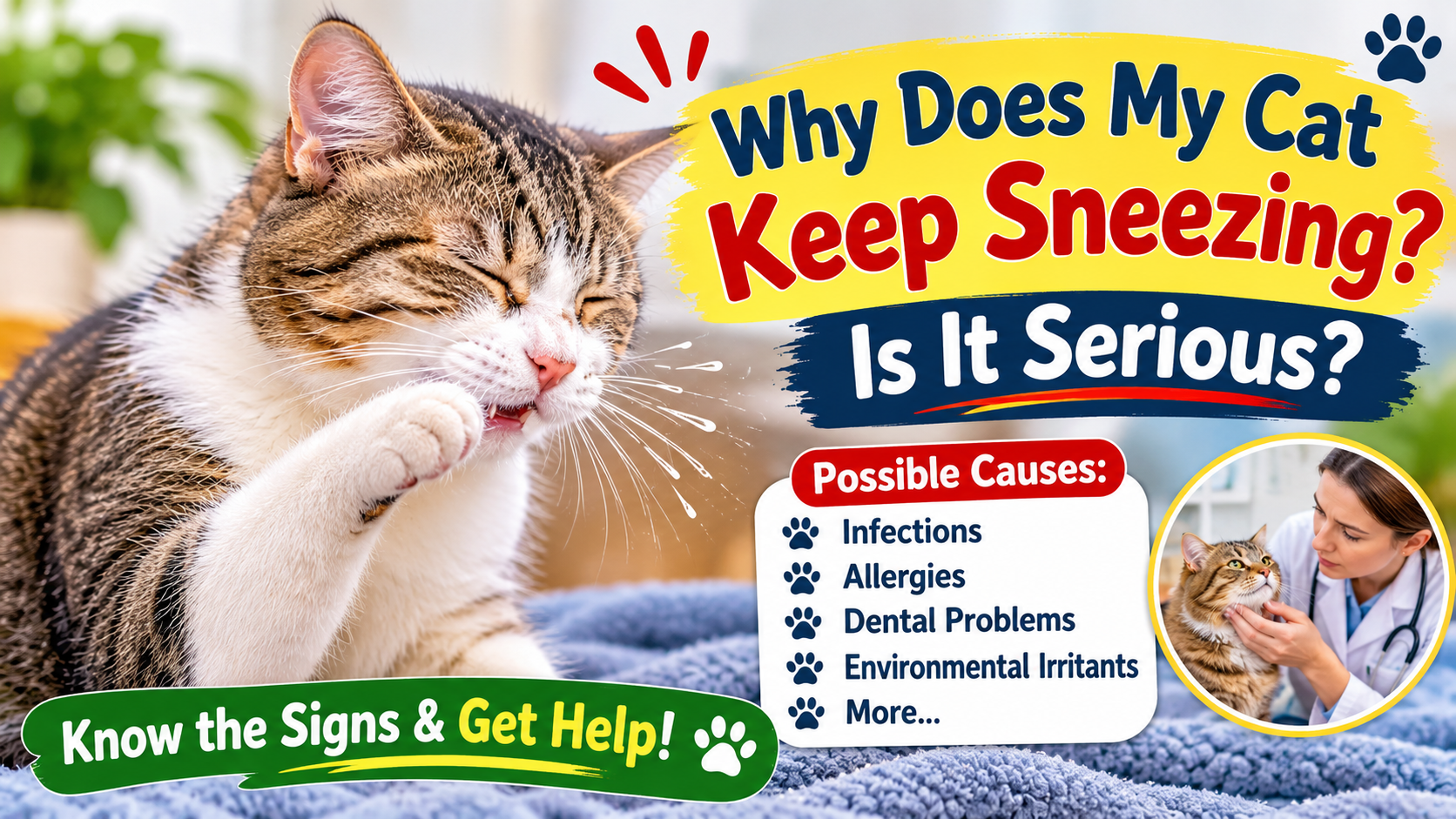
The seriousness of sneezing depends on its frequency and accompanying symptoms. Occasional sneezing without other changes is usually less concerning. Repeated sneezing requires closer attention and possible veterinary assessment.
If my cat is sneezing every day, monitor additional health changes. Look for nasal discharge, eye irritation, tiredness, or appetite loss. Clear discharge can occur with irritation or early infections. Thick, colored, or bloody discharge deserves veterinary attention.
Persistent sneezing should never receive an assumed diagnosis. Different conditions can produce similar respiratory symptoms. Contact your veterinarian when symptoms continue or become worse. Early examination helps identify problems before they progress.
Is Cat Sneezing Contagious to Other Pets?
Sneezing itself is not contagious, but certain underlying infections are. Viral respiratory diseases can spread between cats through close contact. Shared bowls, bedding, and contaminated surfaces may contribute. Some infections spread through respiratory droplets and nasal secretions. Keep sick cats away from healthy household cats when possible. Wash your hands after handling an infected animal. Follow your veterinarian’s instructions about isolation and cleaning.
Is My Cat Sneezing Because of Household Changes?
Some cats react to new cleaning products and unfamiliar fragrances. Dusty rooms and scented litter can also trigger irritation. If my cat is sneezing after a household change, investigate possible environmental triggers. Observe whether symptoms improve after removing the suspected irritant. Avoid changing several products simultaneously when identifying possible triggers. This makes environmental patterns easier to recognize. Persistent sneezing still requires professional assessment.
4. Cat Sneezing With Other Symptoms
Sneezing becomes more concerning when additional symptoms appear. These changes may provide useful clues about your cat’s condition. Observing the complete symptom pattern helps your veterinarian make decisions.
Sneezing With Watery Eyes
Watery eyes and sneezing commonly appear together during respiratory infections. Your cat may also develop eye redness or discharge. Persistent eye irritation requires veterinary attention.
Sneezing With Nasal Discharge
Nasal discharge can appear clear, thick, yellow, or green. Its appearance may help your veterinarian assess possible causes. Bloody discharge should receive prompt professional attention.
Sneezing With Loss of Appetite
Cats depend heavily on their sense of smell when eating. Nasal congestion can make food less appealing. A sick cat may also feel tired or uncomfortable.
Contact your veterinarian if your cat stops eating. Kittens and cats with existing health problems need particular attention. Prolonged food refusal can become dangerous.
Sneezing with Head Shaking
Some cats shake their heads when experiencing ear discomfort. Ear infections, mites, and irritation may cause this behavior. A cat shaking head repeatedly is not a typical sign of simple nasal irritation. The phrase feline head shaking describes repeated head movements. Your cat may also scratch its ears or tilt its head. If cat shaking head continues, arrange an ear examination. Repeated feline head shaking may indicate discomfort requiring treatment.
Owners sometimes confuse ordinary cat shaking with signs of ear issues. However, cat shaking can involve different body movements. Watch whether the movement affects the head or entire body. Persistent symptoms deserve veterinary attention. Another important observation is cat head shaking during normal activities. Repeated cat head shaking may suggest ear irritation or infection. If cat head shaking accompanies sneezing, mention both symptoms. Your veterinarian can examine the ears and respiratory system.
Sneezing with Shivering or Trembling
Shivering can occur when cats feel cold, frightened, or uncomfortable. Fever and certain medical conditions may also cause trembling. Why is my cat shivering is an essential question when unusual movements appear. A cat trembling head may indicate discomfort or another neurological issue. Observe whether the movement happens repeatedly or suddenly. Cat trembling head episodes deserve veterinary assessment. Never assume cat trembling head movements are harmless without considering other symptoms.
If why my cat shivering remains a concern, monitor temperature and behavior. Why is my cat shivering alongside weakness requires prompt veterinary advice. Also observe why is my cat shivering episodes during rest. This information may help your veterinarian investigate the cause.
Sneezing with Drooling
Drooling may happen because of dental disease or mouth discomfort. Some cats also drool when relaxed and purring. Cat drooling while purring can sometimes occur without serious problems.
However, excessive drooling deserves attention, especially with appetite changes. If cat drools while purring happens alongside mouth discomfort, arrange an examination. A cat drools while purring observation alone cannot establish a diagnosis. Owners may notice that a cat drools while purring during relaxation. Nevertheless, sudden or excessive drooling deserves investigation. If a cat drools while purring with bad breath, dental disease is possible. Mention every unusual symptom during veterinary appointments.
Sneezing With Increased Thirst
Changes in drinking habits can provide important health information. Why does my cat drink so much water is a question worth discussing. Increased thirst may relate to kidney disease, diabetes, or other conditions. Excessive drinking does not usually explain sneezing directly. However, multiple unusual symptoms deserve a complete veterinary assessment. Monitor water intake and litter box activity. Tell your veterinarian about noticeable changes.
5. When Should You See a Vet for Your Cat’s Sneezing?
Knowing when to contact a veterinarian protects your cat’s health. Mild sneezing may disappear after removing an environmental irritant. Persistent or worsening symptoms need professional evaluation. If my cat is sneezing repeatedly, arrange an appointment when symptoms continue. Nasal discharge, eye problems, and appetite changes deserve attention. Your veterinarian can examine your cat and recommend suitable testing.
Warning Signs That Need Immediate Attention
Some symptoms indicate a potentially serious medical problem. Contact an emergency veterinarian when your cat experiences:
- Open-mouth breathing or obvious breathing difficulty.
- Blue, gray, or unusually pale gums.
- Severe weakness, collapse, or unresponsiveness.
- Heavy bleeding from the nose.
- Serious facial swelling or sudden neurological changes.
Do not wait when breathing becomes difficult. Keep your cat calm during transport. Avoid forcing food, water, or medication.
Why Appetite and Hydration Matter
Appetite changes provide useful information about your cat’s health. Congestion may reduce smell and make meals less appealing. Pain, fever, and infections can also reduce eating. Monitor drinking habits and litter box activity. Why does my cat drink so much water becomes especially important with increased urination.
If why does my cat drink so much water remains a concern, record daily changes. This information can help your veterinarian evaluate possible health conditions. Excessive thirst and sneezing may represent separate problems. Both deserve attention when they appear together.
6. How Do Vets Diagnose Cat Sneezing?
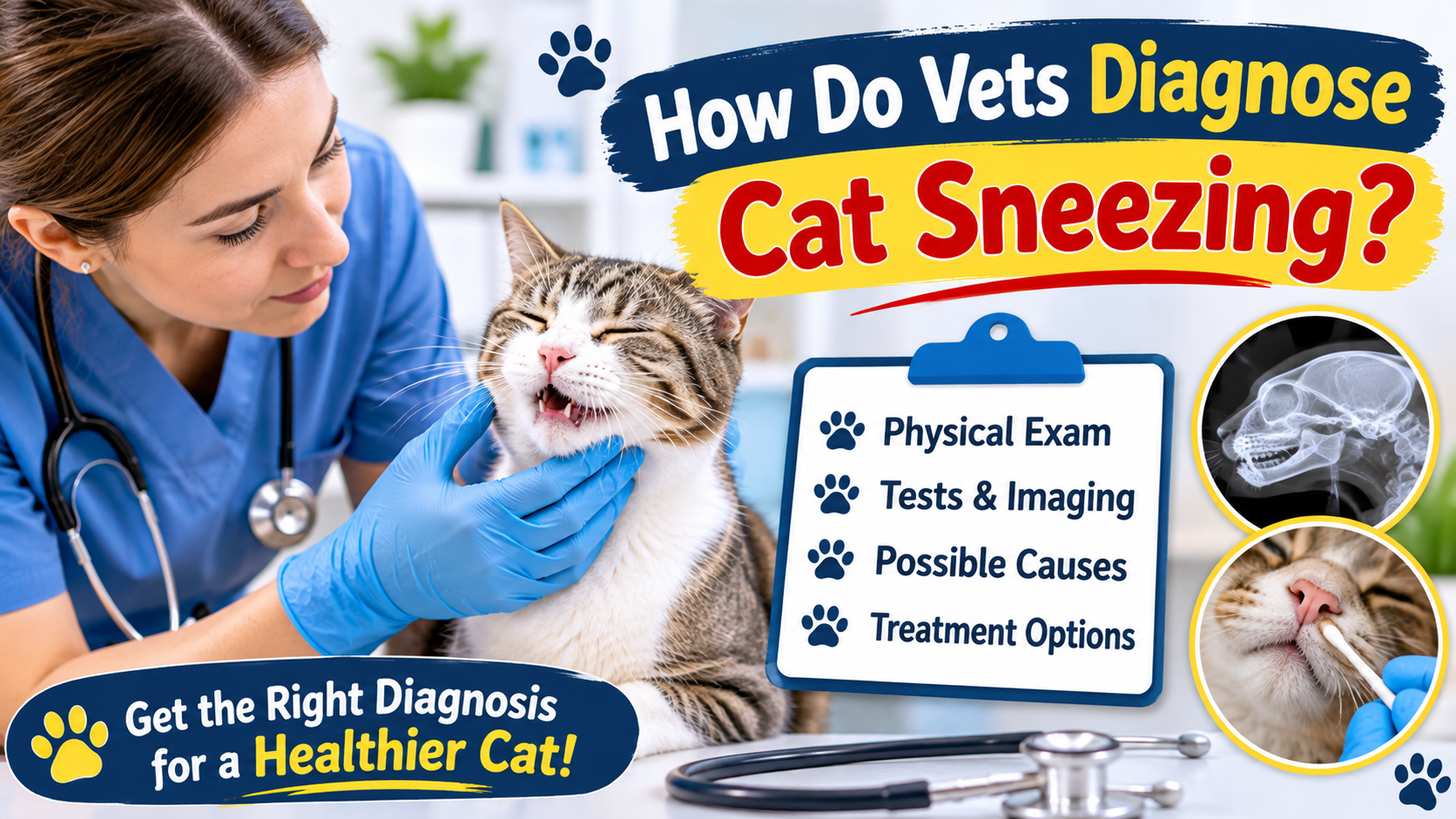
Veterinarians begin by learning about your cat’s symptoms. They may ask when sneezing started and how often it happens. Vaccination history and outdoor exposure can also be helpful. If my cat is sneezing persistently, an examination can reveal essential clues. Your veterinarian will check breathing, nasal discharge, and general health. Additional tests depend on the suspected underlying condition.
Physical Examination
The veterinarian examines your cat’s nose, mouth, eyes, and throat. They may also check temperature and breathing patterns. Dental issues and visible inflammation can sometimes become apparent. The examination helps determine whether additional testing is necessary. It also allows the veterinarian to assess your cat’s overall condition.
Imaging Tests
X-rays or advanced imaging may help examine internal structures. CT scans can provide detailed pictures of nasal passages. These tests may identify masses, inflammation, or structural abnormalities. Not every sneezing cat needs imaging. Your veterinarian will recommend suitable tests based on symptoms.
Rhinoscopy
Rhinoscopy involves examining nasal passages using a specialized instrument. It helps veterinarians investigate persistent or unexplained nasal symptoms. Small foreign objects and abnormal tissue may become visible. This procedure generally requires anesthesia. Your veterinarian will explain its benefits and potential risks beforehand.
Biopsy and Nasal Sampling
A biopsy involves collecting a small tissue sample. Laboratory examination can help identify tumors or certain infections. Nasal samples may also help detect infectious organisms.
Nasal Lavage
Nasal lavage involves flushing nasal passages with sterile fluid. It may help remove discharge or collect samples. Veterinarians perform this procedure when medically appropriate. It is not a home treatment. Professional supervision is necessary to protect your cat.
7. How to Treat a Sneezing Cat
Treatment depends on the underlying cause of sneezing. There is no single medicine that works for every cat. Your veterinarian will recommend treatment after examining your pet. If my cat is sneezing because of environmental irritation, removing the trigger may help. Infections, dental disease, and nasal growths need different approaches. Never give human cold medicines without veterinary approval.
Antibiotics for Bacterial Infections
Antibiotics treat certain bacterial infections when veterinarians consider them necessary. They do not directly cure viral infections. Some respiratory infections may involve secondary bacterial complications. Your veterinarian will select the appropriate medication and dosage. Complete the prescribed course unless your veterinarian advises otherwise. Never share antibiotics between pets.
Treatment for Viral Infections
Many feline respiratory viruses require supportive care. This may include hydration, nutritional support, and symptom management. Your veterinarian may recommend additional medication when complications develop. Vaccination helps protect against important feline respiratory infections. It may reduce disease severity, although protection is incomplete.
Treatment for Allergies and Irritation
Removing environmental triggers can improve mild irritation. Use unscented litter and avoid strong household fragrances. Keep smoke, sprays, and cleaning chemicals away from your cat. Your veterinarian may recommend suitable allergy treatment. Never use human antihistamines without professional guidance. Certain ingredients can be harmful to cats.
Treatment for Dental Disease
Dental treatment depends on the problem’s severity. Your cat may need professional cleaning or tooth extraction. Treating dental infections can also reduce related inflammation. Regular dental examinations help identify issues early. Follow your veterinarian’s recommendations for ongoing oral care.
Treatment for Foreign Objects or Nasal Growths
Veterinarians may remove foreign objects using specialized instruments. Polyps and other growths may require surgical treatment. Additional medication depends on the diagnosis. Treatment plans differ according to your cat’s age and condition. Follow-up examinations help monitor recovery.
Helpful Home-Care Tips for a Sneezing Cat
Home care can make your cat more comfortable during recovery. It cannot replace veterinary treatment when an illness requires medical attention.
Try these practical steps:
- Keep your cat’s sleeping area clean and comfortable.
- Choose unscented, low-dust cat litter.
- Avoid perfumes, smoke, and strong cleaning products.
- Provide fresh drinking water throughout the day.
- Offer familiar, appealing food to encourage eating.
- Gently wipe nasal discharge using a soft, damp cloth.
- Keep your cat away from sick household cats.
- Follow medication instructions provided by your veterinarian.
A clean environment can reduce exposure to common irritants. Monitor symptoms and record noticeable changes. Contact your veterinarian if your cat becomes worse. Never force steam treatments or place your cat near hot water.
How to Prevent Frequent Sneezing in Cats
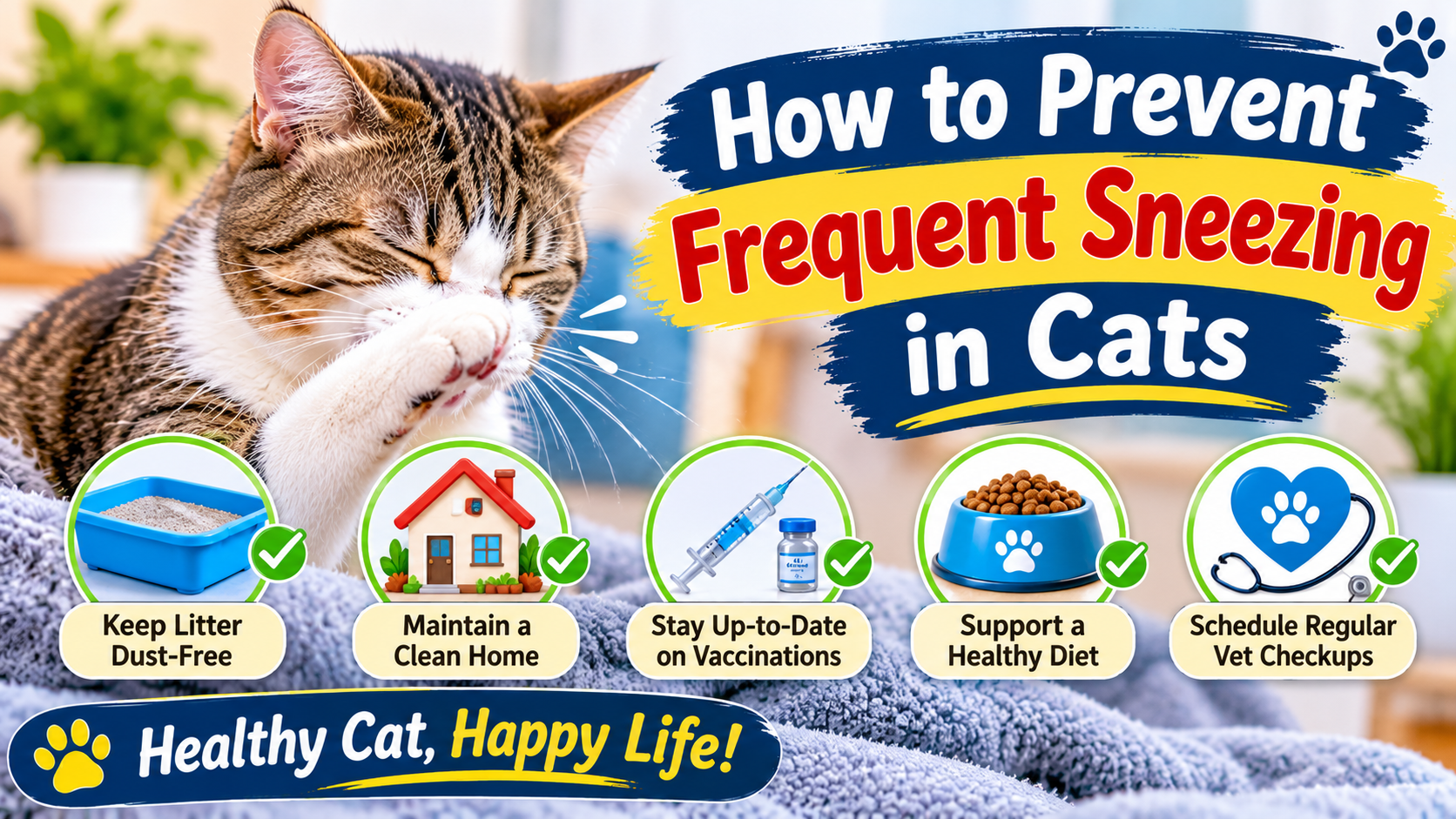
You cannot prevent every cause of feline sneezing. Still, several healthy habits may reduce avoidable respiratory irritation. Keep your home free from unnecessary dust and smoke. Wash bedding regularly and clean food bowls. Maintain suitable indoor ventilation without exposing your cat to cold drafts.
Vaccinations also play an important role in preventive healthcare. Regular veterinary examinations help identify developing health problems. Dental care supports healthy teeth and surrounding tissues. Introduce new cats carefully, especially when other pets live indoors. Follow veterinary guidance about vaccinations and health checks. These habits help create a safer environment for everyone.
Frequently Asked Questions
Is It Normal for My Cat to Sneeze Every Day?
Daily sneezing deserves attention, especially when it continues repeatedly. Environmental irritation may cause mild episodes. Persistent symptoms can also indicate infection or another medical difficulty. Arrange a veterinary examination if daily sneezing continues.
Why Is My Cat Sneezing All of a Sudden?
Why is my cat sneezing all of a sudden is a common concern among owners. Sudden sneezing may happen after exposure to dust or strong smells. Grass particles and foreign objects can also irritate nasal passages. Respiratory infections may produce sudden symptoms too.
Is My Cat Sneezing a Lot Because of Allergies?
Kitty is sneezing a lot may indicate irritation, allergies, or a respiratory infection. Pollen, dust mites, and mold can trigger nasal symptoms. However, infections can produce similar signs.
Can I Give My Cat Human Cold Medicine?
No, never give human cold medicine without veterinary approval. Some common ingredients can seriously harm cats. Always ask your veterinarian before using medication.
Should I Separate a Sneezing Cat from Other Cats?
Separation may help when a contagious respiratory infection is suspected. Use separate bowls and bedding when possible. Follow your veterinarian’s instructions about isolation and cleaning.
When Does Cat Sneezing Become an Emergency?
Breathing difficulty, collapse, and blue or pale gums require emergency attention. Heavy nasal bleeding also needs prompt veterinary care. Do not delay treatment when severe symptoms appear.
Conclusion
Occasional sneezing is often a normal response to nasal irritation. Frequent sneezing may indicate allergies, infections, dental disease, or other conditions. Paying attention to additional symptoms helps you recognize possible problems. When my cat is sneezing repeatedly, observing changes becomes especially important. Monitor appetite, energy, breathing, and nasal discharge. Avoid human medications and unverified home treatments. Remember that symptoms such as head shaking and drooling need separate attention. Increased thirst and trembling may also indicate other health concerns. With timely veterinary care, you can support your cat’s comfort and well-being.