

 By
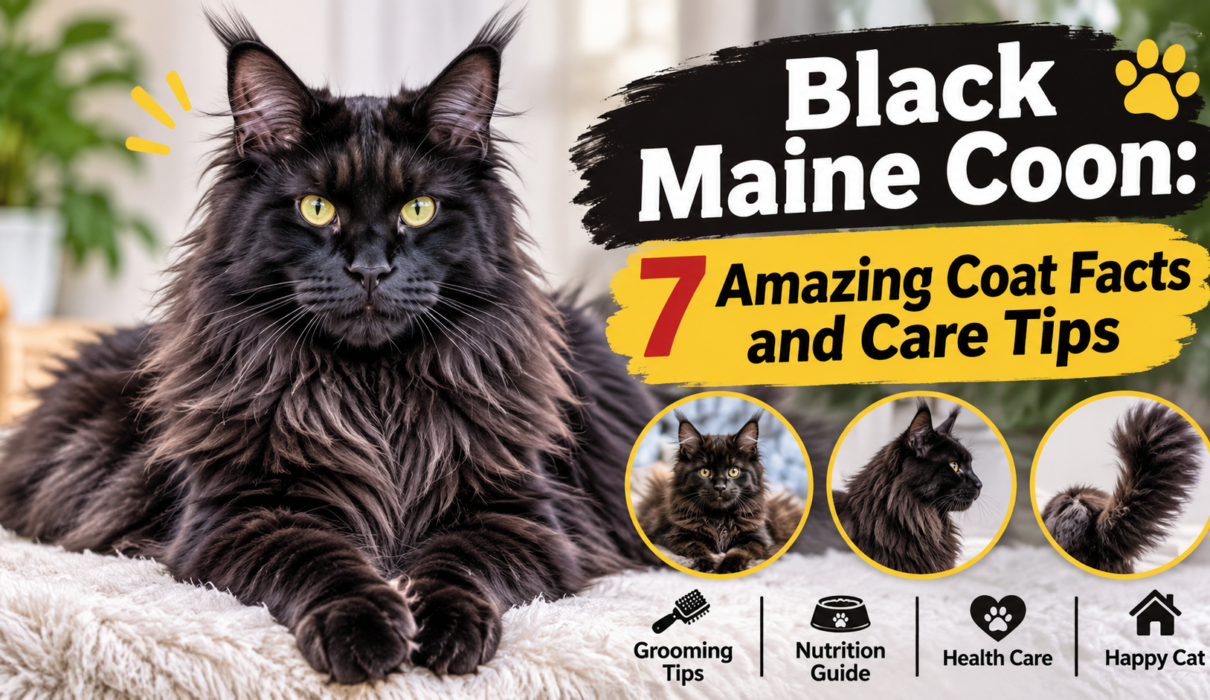
A black cat with a long, flowing coat can make anyone stop and stare. The black Maine Coon already has an impressive appearance and a naturally charming personality. Its large body, pointed ears, expressive eyes, and fluffy tail create an unforgettable look. When these features combine with a deep black coat, the result becomes even more beautiful.
The black Maine coon is admired for its elegant appearance and gentle personality. Its dark fur creates a striking contrast with its bright eyes. Some cats have completely black coats, while others display lighter shades underneath. These differences make every cat look slightly different. Their thick fur also needs regular attention to stay healthy and attractive.
Beyond their appearance, these cats are intelligent, playful, and affectionate companions. They enjoy spending time with their families and exploring their surroundings. Their grooming, nutrition, exercise, and healthcare needs deserve equal attention. Understanding their coat characteristics can also help owners recognize normal changes. Here are seven amazing coat facts and essential care tips.
What Makes a Black Maine Coon So Special?
Maine Coons are among the most recognizable domestic cat breeds. Their large frames and flowing coats give them a naturally majestic appearance. They developed as hardy working cats in the northeastern United States. Their weather-resistant coats helped them handle cold outdoor conditions.
A black coat adds another layer of beauty to these impressive cats. Its rich color can make their facial features appear more noticeable. Their large ears, square muzzle, and prominent whiskers create a distinctive expression. Their long, furry tails complete their impressive appearance.
The black Maine coon is not a separate breed. It belongs to the same Maine Coon breed as other recognized colors. Coat color does not determine its temperament, intelligence, or exercise requirements. Every individual cat has its own personality and preferences.
Some owners also compare these cats with other gorgeous cat breeds. A white Maine Coon has an entirely different appearance because of its bright coat. A Maine Coon grey has a softer, cooler appearance. Each color offers something special without changing the breed’s basic characteristics.
7 Amazing Facts About the Black Maine Coon Coat
1. Their Black Coat Has a Deep and Rich Appearance
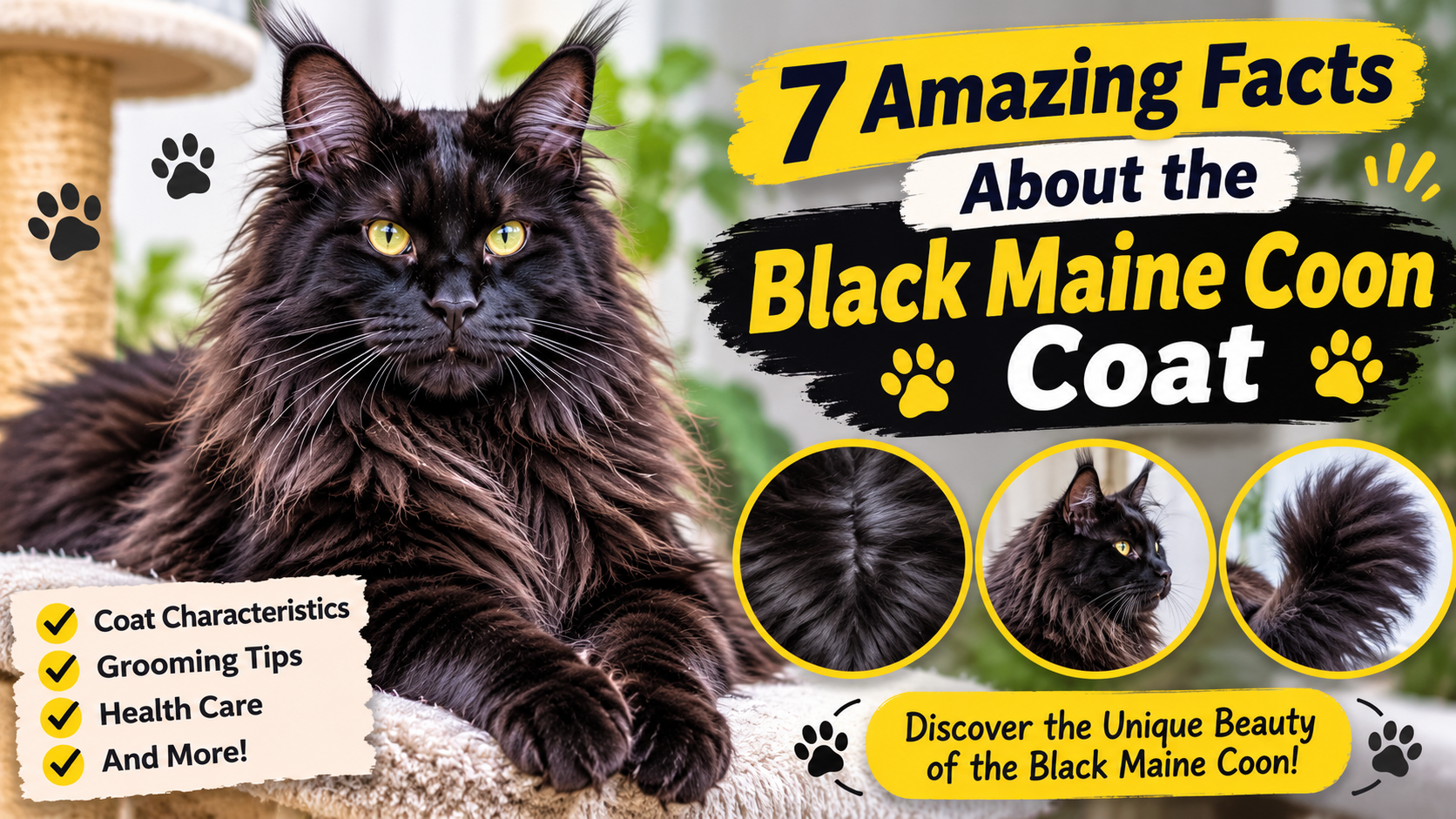
One of the most attractive features is its dark, glossy fur. A solid black coat should look consistently black from root to tip. Breed color standards describe this shade as dense coal black. The nose leather is also black, while paw pads may appear black or brown.
Good lighting helps owners appreciate the coat’s natural shine. Sunlight can reveal different textures across its longer and shorter sections. Healthy fur usually looks smooth rather than dull or excessively greasy. Proper nutrition and regular grooming help maintain this attractive appearance.
Not every dark Maine Coon has the same coat classification. Some cats have solid black fur, while others carry smoke coloring. These differences become easier to notice when owners examine individual hairs. Understanding these details helps prevent confusion between similar-looking cats.
A black and white Maine Coon cat also belongs to the breed’s recognized color variations. Its white markings create a noticeable contrast against darker fur. Some cats have white paws, chests, or facial markings. These patterns make their appearance different from completely solid-colored cats.
2. Black Smoke Coats Have a Hidden Light Undercoat
Black smoke coloring creates an especially interesting appearance. These cats look almost completely black when their fur rests naturally. Their lighter undercoat becomes visible when they move. It may also appear when someone gently parts their longer fur.
This color pattern differs from a solid black coat. Solid black fur remains dark throughout each hair. Black smoke fur has dark tips covering a much lighter base. The contrast can create a beautiful silver-like effect.
A blue smoke Maine Coon cat has a related appearance. Its darker outer hairs create a smoky effect over lighter roots. Blue coloring generally appears softer than black. These cats should not be confused with solid grey-colored Maine Coons.
The difference becomes easier to recognize under natural lighting. Owners can gently separate a small section of fur. They should avoid pulling or disturbing the cat’s skin. A veterinarian or experienced breeder can help identify uncertain coat patterns.
3. Their Coat Changes With Age and Seasons
Maine Coon kittens do not always have the same coat appearance as adults. Their early fur can look shorter, softer, and less developed. Their adult coat gradually becomes fuller as they mature. The impressive neck ruff may also become more noticeable.
These cats mature slowly compared with many other domestic breeds. Their physical development can continue for several years. Their coat texture and overall appearance may change during this period. Owners should not expect a kitten to immediately resemble an adult.
Seasonal changes also influence coat thickness. Many Maine Coons develop heavier coats during colder months. Their fur may become lighter or thinner during warmer weather. Regular grooming helps remove loose hair during seasonal shedding.
A white Maine Coon may show visible dirt more easily. Darker cats can also collect dust and loose hair. Neither color removes the need for proper coat maintenance. Every longhaired cat benefits from a consistent grooming routine.
4. Their Long Fur Protects Them From Cold Weather
The Maine Coon has a naturally practical coat structure. Its fur includes a lighter undercoat and a protective outer layer. This combination helps provide insulation during colder conditions. The longer outer hairs also help repel moisture.
The coat does not have equal length everywhere. Fur around the shoulders and head is usually shorter. Longer sections appear along the belly, sides, and tail. A developed neck ruff creates an impressive frame around the face.
Their coat makes them recognizable among cats with bushy tails. The long, flowing tail helps balance their large body. It also provides additional warmth when they curl up. Owners should keep the tail clean and free from tangles.
Their natural coat does not mean they can tolerate every temperature. Indoor cats still need comfortable surroundings during winter. Fresh water and suitable resting areas remain important. Owners should also avoid shaving their fur without veterinary advice.
5. Their Coat Can Look Different Under Various Lighting
A black coat may appear slightly different throughout the day. Natural sunlight can reveal its texture and individual hair strands. Indoor lighting may make the same coat look darker. Photographs can also change its appearance through exposure settings.
Some black cats develop reddish or brownish-looking areas. Sun exposure may contribute to this color change. Coat condition and underlying pigmentation can also affect appearance. Sudden changes, hair loss, or skin irritation deserve veterinary attention.
A Maine Coon grey offers another interesting comparison. Its softer color can appear different under warm and cool lighting. Silver tabby patterns also create changing visual effects. These variations show why photographs cannot always confirm coat color.
Owners should observe their cat’s natural appearance regularly. Changes become easier to notice when they know its normal coat. A healthy coat should not develop unexplained bald patches. Persistent itching or skin redness also requires professional attention.
6. Their Famous Fluffy Tail Needs Special Attention
A long, flowing tail is one of the breed’s signature features. It can reach approximately the length of the body. Its thick fur creates an attractive plume. This feature helps the cat maintain its impressive appearance.
People often search for cats with bushy tails when exploring longhaired breeds. Maine Coons are among the most recognizable examples. Their tails are heavily furnished and naturally elegant. They may wrap their tails around themselves while resting.
Tail grooming deserves attention because loose hair can collect underneath. Small knots may develop near the tail base. Owners should use a suitable comb and work gently. Pulling tangled fur can hurt the cat.
A black coat may make loose hairs less noticeable. Regular brushing helps remove dead fur before it collects. Owners should inspect the tail during normal grooming sessions. They should also check for dirt, irritation, and unusual lumps.
7. Coat Color Does Not Change Their Gentle Personality
A beautiful coat attracts attention, but personality matters more. Maine Coons are generally friendly, intelligent, and socially interested cats. Many enjoy following their owners around the home. They may also communicate through chirps and soft trills.
Their behavior does not depend on whether they are black. A solid-colored cat can be playful and affectionate. A patterned cat can have exactly the same qualities. Individual experiences, genetics, and socialization influence personality.
Their intelligence makes interactive play especially enjoyable. Some learn to retrieve toys or follow simple commands. Others enjoy puzzle feeders and climbing activities. Positive reinforcement encourages learning without creating unnecessary stress.
Families should choose a kitten based on temperament and health. Coat color should never become the only deciding factor. Meeting the kitten’s parents can provide useful information. Responsible breeders should also explain their socialization practices.
Physical Features That Make This Breed Stand Out
Maine Coons have several features beyond their attractive fur. Their muscular bodies create a strong, balanced appearance. Their broad chests and substantial bones support their large frames. Adult males are generally larger than females.
Their heads have a distinctive shape. High cheekbones and square muzzles create recognizable facial features. Large ears usually have noticeable furnishings. Some cats also display small tufts near their ear tips.
Their eyes are large, expressive, and slightly oblique. Common eye colors include green, gold, and copper shades. Eye color does not depend on having a black coat. A dark face can make bright eyes appear especially striking.
Their large paws often have fur between the toes. These tufts provide additional protection during cold conditions. Their long bodies and flowing tails create a balanced silhouette. Together, these features distinguish them from many other domestic cats.
Differences Between Solid Black and Other Coat Colors
Maine Coons come in numerous recognized colors and patterns. Solid black is one attractive option among them. White, red, blue, and several patterned variations also exist. Their basic body structure remains consistent across these colors.
A Maine Coon grey usually has a blue-toned coat. A white Maine Coon displays a bright, pale appearance. Silver tabbies have lighter backgrounds with darker markings. Black smoke cats have pale undercoats beneath dark tips.
A black and white Maine Coon cat displays contrasting markings. Its appearance depends on the placement and amount of white. Some have white chests and paws. Others show larger patches across their bodies.
These differences make the breed visually diverse. They also help explain why coat identification can become confusing. Reliable breed records provide better information than appearance alone.
Personality and Everyday Behavior
Maine Coons are often described as gentle giants. Their large appearance does not usually match an aggressive personality. Many are affectionate without constantly demanding attention. They enjoy companionship while maintaining some independence.
They often follow family members from one room to another. Some prefer sitting nearby rather than directly on someone’s lap. Others enjoy cuddling when they feel comfortable. Their individual personalities can vary considerably.
Their playful nature often continues into adulthood. Toys that encourage chasing and problem-solving can keep them entertained. Many enjoy feather wands, soft balls, and climbing structures. Regular interaction also strengthens their relationship with owners.
Are They Suitable for Families?
Maine Coons can make wonderful family companions. Their generally friendly nature helps them adapt to many households. Early socialization supports positive interactions with different people. Children should learn to handle cats gently.
They may also live successfully with other household pets. Introductions should happen gradually and under supervision. Each animal needs a safe personal space. Food bowls and litter areas should remain accessible.
A new owner should understand the breed’s activity requirements. These cats need daily interaction and mental stimulation. Their large size also requires suitable furniture and climbing spaces. A calm, consistent environment helps them feel secure.
Essential Grooming Tips for a Healthy Black Coat
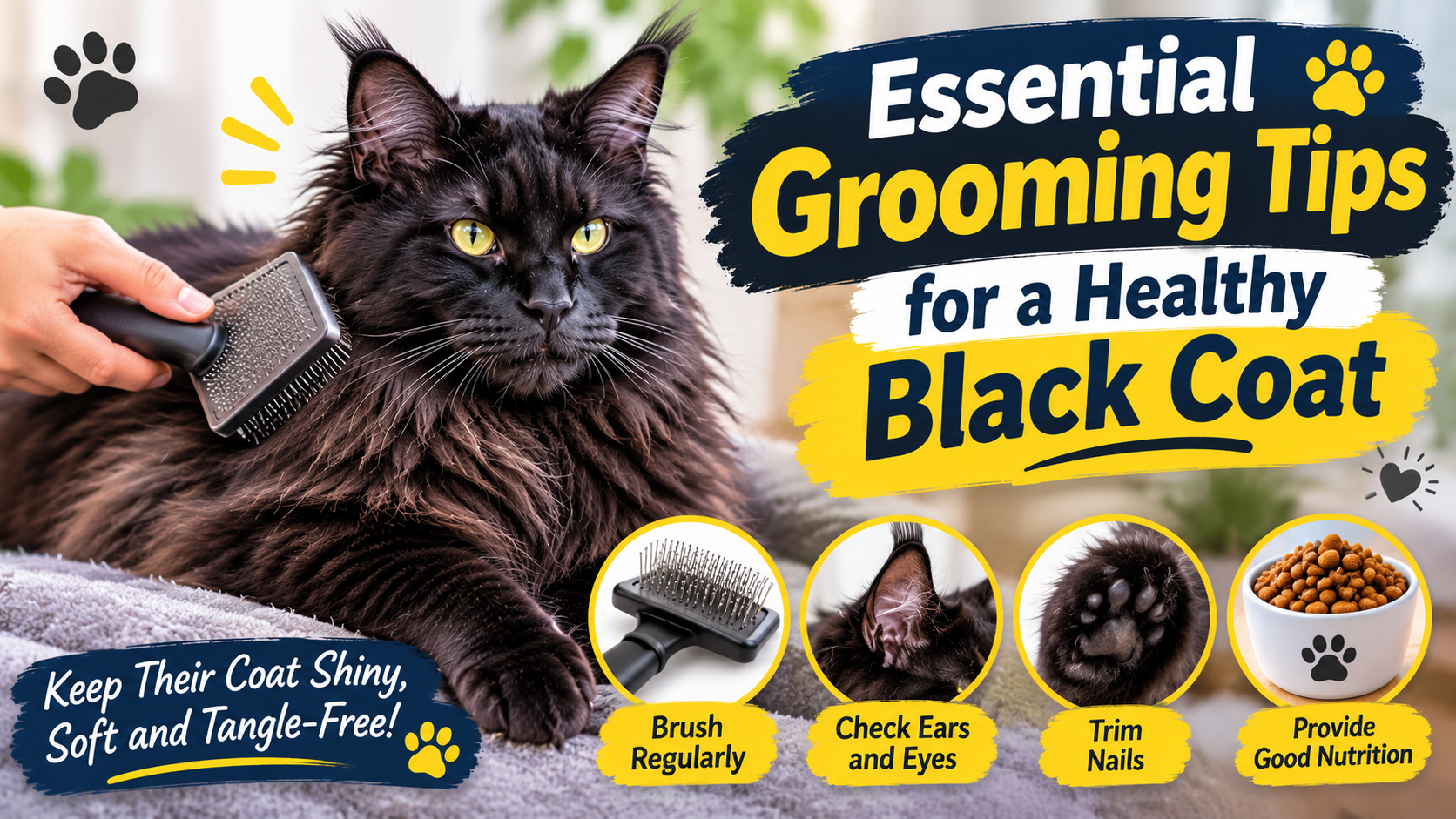
Long fur needs regular attention to remain comfortable. Loose hair can collect around the belly and underarms. Small tangles may gradually develop into painful mats. A consistent grooming routine prevents many common problems.
Start with a wide-toothed metal comb. Work through the fur gently in small sections. Pay particular attention to the belly, chest, and hindquarters. Avoid pulling whenever the comb meets resistance.
1. Brush Several Times Every Week
Regular brushing removes loose hair and surface debris. It also helps owners notice skin changes early. Some cats need more frequent grooming during shedding seasons. Others manage well with a shorter routine.
Introduce brushing when the cat is young. Keep early sessions brief and comfortable. Offer treats and praise after successful sessions. This approach helps create a positive grooming experience.
2. Check Areas Where Mats Commonly Develop
Certain body areas collect tangles more quickly. These include the armpits, belly, chest, and behind the ears. The tail base can also develop small knots. Check these areas during every grooming session.
Never cut tight mats using ordinary household scissors. Cat skin can become trapped inside tangled fur. A professional groomer or veterinarian can remove difficult mats safely. Severe matting may require veterinary assistance.
3. Bathe Only When Necessary
Most Maine Coons do not need frequent baths. Their coats usually remain manageable with regular brushing. Bathing becomes useful when the fur becomes unusually dirty. Veterinary advice is helpful for skin-related bathing needs.
Always use a shampoo formulated specifically for cats. Human products can irritate feline skin. Rinse thoroughly to remove product residue. Dry the coat carefully in a warm environment.
4. Keep Their Ears, Eyes, and Nails Clean
Grooming involves more than brushing the coat. Check the ears for unusual discharge or unpleasant smells. Gently wipe visible dirt around the eyes. Avoid inserting cotton buds into the ear canal.
Trim nails when they become excessively long. Use proper cat nail clippers and avoid the quick. Scratching posts also help maintain normal nail condition. Contact a veterinary professional when trimming becomes difficult.
Nutrition for Strong Fur and Healthy Skin
Good nutrition supports healthy skin and coat development. Cats need balanced food containing appropriate animal-based protein. They also require essential fatty acids and other nutrients. Poor nutrition can contribute to dull fur and skin problems.
Choose complete and balanced food suitable for your cat’s age. Kittens need different nutritional support from adult cats. Senior cats may require adjustments based on their health. Your veterinarian can recommend an appropriate feeding plan.
Important Nutrients for Coat Health
Protein supports the growth and maintenance of hair. Fatty acids help maintain healthy skin barriers. Vitamins and minerals support normal body functions. Taurine is another essential nutrient for feline health.
Do not add supplements without professional guidance. Excessive supplementation can create nutritional imbalances. A complete commercial diet usually supplies essential nutrients. Your veterinarian can assess specific dietary concerns.
Fresh water should always remain available. Some cats prefer drinking from flowing water fountains. Clean bowls help encourage regular drinking. Monitor appetite and body condition throughout the year.
Exercise, Playtime, and Indoor Enrichment
Maine Coons are active cats that enjoy exploring. Their large bodies need regular movement and stimulation. Indoor play helps support healthy weight management. It also reduces boredom and unwanted behaviors.
Provide sturdy climbing trees with wide platforms. Their furniture should safely support their body weight. Window perches offer interesting views and entertainment. Scratching posts help satisfy natural scratching instincts.
Simple Activities That Keep Them Active
- Use feather toys for short interactive play sessions.
- Offer puzzle feeders to encourage problem-solving.
- Rotate toys to maintain interest.
- Create safe climbing areas around the home.
- Introduce supervised leash training when appropriate.
Daily play should match the cat’s age and fitness. Kittens often enjoy shorter, energetic sessions. Adults may prefer several moderate activities throughout the day. Stop whenever the cat shows signs of tiredness.
Common Health Concerns and Preventive Care
Maine Coons can live healthy lives with proper care. Responsible breeding and preventive veterinary visits are important. Certain inherited conditions deserve attention. Owners should understand warning signs and recommended screening.
Hypertrophic Cardiomyopathy
Hypertrophic cardiomyopathy, or HCM, affects the heart muscle. It causes the heart walls to become unusually thick. Some affected cats show no obvious early symptoms. Others may develop serious heart complications.
Responsible breeders should discuss available genetic testing. Veterinary heart examinations may also be recommended. Genetic testing alone cannot identify every affected cat. Regular veterinary guidance remains important.
Hip Dysplasia
Hip dysplasia affects the development of the hip joints. It can cause discomfort and movement difficulties. Some cats may show stiffness or reduced activity. Veterinary examinations help assess joint health.
Maintaining a healthy body weight supports joint function. Avoid encouraging excessive jumping in cats with mobility problems. Provide easy access to food, water, and resting areas. Follow your veterinarian’s treatment recommendations.
Spinal Muscular Atrophy
Spinal muscular atrophy is an inherited condition. It affects the muscles responsible for normal movement. Affected cats may develop weakness or unusual movement patterns. Genetic screening helps responsible breeders identify carriers.
Dental and General Health
Dental disease can affect cats of every breed. Regular dental checks help identify problems early. Your veterinarian may recommend tooth brushing or professional cleaning. Appetite changes and unpleasant breath deserve attention.
Schedule routine veterinary examinations and vaccinations. Keep parasite prevention appropriate for your cat’s lifestyle. Monitor weight, appetite, and bathroom habits. Early attention often makes health problems easier to manage.
How to Choose a Healthy Black Maine Coon Kitten
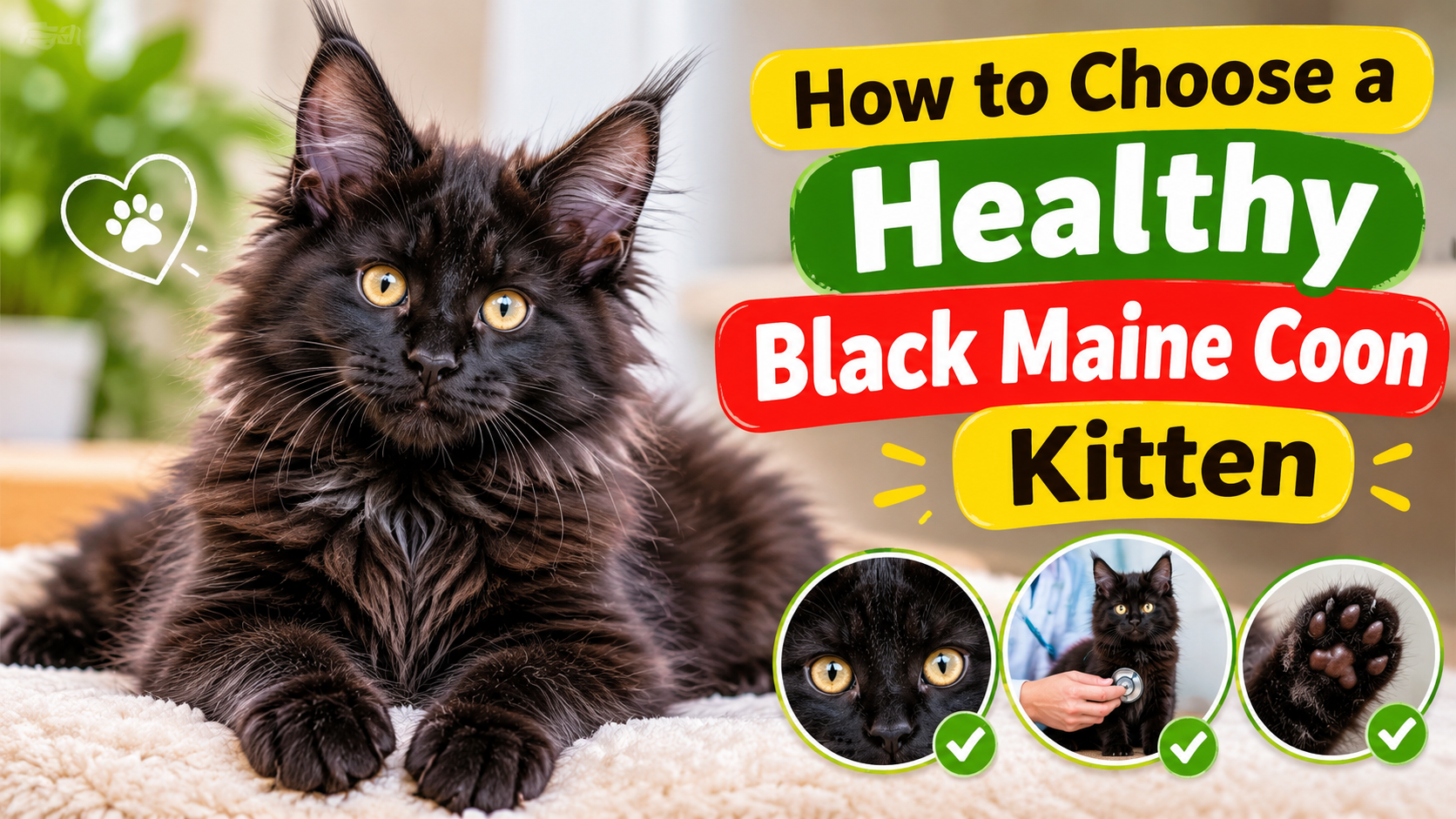
Finding a kitten requires more research than choosing a coat color. Look for breeders who prioritize health and temperament. They should willingly explain their breeding practices. They should also provide appropriate health records.
Ask about the parents’ health screening. Discuss HCM testing and other relevant inherited conditions. Request information about vaccinations and parasite prevention. A responsible breeder should answer questions clearly.
Signs of a Responsible Breeder
- Provides clear health and vaccination records.
- Allows suitable visits or video introductions.
- Explains the kitten’s socialization and feeding routine.
- Shares relevant information about the parents.
- Does not pressure buyers into quick decisions.
Observe the kitten’s general condition and behavior. Healthy kittens usually appear alert and responsive. Their eyes and noses should look clean. Their coats should not show unexplained bald patches.
Adoption is another worthwhile option. Breed-specific rescues sometimes receive Maine Coon cats. Adult cats can make excellent companions. Their established personalities may also help owners choose confidently.
Black Maine Coon vs. Other Maine Coon Colors
The breed offers many attractive coat variations. Solid black creates a dramatic, elegant appearance. Other colors provide different visual effects. These differences do not create separate breeds.
A white Maine Coon has a bright coat. Its appearance may include blue or differently colored eyes. A Maine Coon grey displays a cooler color palette. Silver tabbies have distinctive light and dark markings.
Black smoke coloring creates another interesting contrast. Its pale roots appear beneath dark outer hairs. A blue smoke Maine Coon cat has similar shading. The base and outer coat colors create its smoky appearance.
A black and white Maine Coon cat combines two contrasting shades. White markings may appear on several body areas. Solid black cats usually have a more uniform appearance. Both variations can be equally attractive companions.
Owners should focus on health rather than rarity claims. Coat color alone cannot prove pedigree or quality. Registration documents and reliable breeding records provide better evidence. Responsible care matters more than appearance.
Frequently Asked Questions
1. Is a Black Maine Coon a Separate Breed?
No, it is not a separate breed. It is a Maine Coon with a recognized black coat color. Its size, body structure, and temperament follow the breed’s general characteristics. Individual cats can still differ in personality and appearance.
2. Are Black Maine Coons Rare?
Solid black Maine Coons are less commonly seen than some traditional tabby patterns. Their availability depends on breeding populations and location. A breeder can explain the coat colors present within their lines. Rarity claims should always be supported by reliable information.
3. Do Black Maine Coons Have Green Eyes?
Their eyes may display green, gold, green-gold, or copper shades. Eye color does not depend on having black fur. Individual cats can have different eye colors. Bright eyes often create a beautiful contrast with dark coats.
4. How Often Should You Brush a Black Maine Coon?
Brush the coat several times each week. Some cats need daily attention during heavier shedding periods. Focus on the belly, chest, and areas behind the ears. Regular combing helps prevent painful tangles.
5. Do Black Maine Coons Shed a Lot?
Yes, they shed throughout the year. Shedding may become heavier during seasonal coat changes. Regular brushing helps remove loose fur. A sudden increase in hair loss deserves veterinary attention.
Final Thoughts
Maine Coons combine impressive physical features with friendly personalities. Their beautiful dark coats make them especially eye-catching companions. Their long fur, large bodies, and flowing tails need regular care. Understanding their grooming and health requirements helps owners provide better support.
A black coat does not make these cats different in temperament. Their individual personalities matter much more than their color. Proper nutrition, exercise, and veterinary care support their wellbeing. With consistent attention, these cats can become wonderful family companions.
Choosing a kitten from a responsible breeder is equally important. Adoption can also provide a loving home for an adult cat. Focus on health, temperament, and responsible ownership. A well-cared-for Maine Coon can bring years of companionship and happiness.