

 By
The Foundation: Pre-Breeding Systemic Health and the Breeding Soundness Examination
Pre-Breeding Systemic Health. The next step in the Foundation: Pre-Breeding Systemic Health is the Breeding Soundness Examination (BSE).
Today, reproduction in horses is much more complex than placing a stallion and a mare in a pasture. The horse breeding process today is a highly complex, scientific procedure that involves the judicious application of veterinary treatment, genetic research, and careful timing. Whether you’re a private owner considering breeding a horse for the first time, or a commercial stud manager, the biology of horse breeding is essential to achieving a high conception rate and a healthy, athletic foal.
To help explain this complicated process, we’ve outlined the major developmental stages. In this first article of our complete guide, we will discuss the basic components of the horse breeding process: pre-breeding systemic health, genetic screening, and the breeding soundness examination (BSE). Successful horse breeding is never a matter of chance and depends on careful preparation, a horse-breeding program, and a reverence for the natural horse-breeding cycle.
The Foundation: Why a Systematic Horse Breeding Process Matters
We have to establish a baseline in the horse before you even begin to make the big leap into physically breeding the horse. Physiological readiness of the mare is the most important variable in the worldwide system of horse breeding. Any compromise to the mare’s body due to poor nutrition, chronic systemic inflammation or active disease will cause her endocrine system to not produce the hormones necessary to perform a normal productive horse breeding cycle.
For the best use of your horse breeding program, it is important to consider the mare as an incubator. The maintenance of the incubator will stall the horse breeding process before it even starts if it isn’t well maintained. That is why expert breed managers don’t begin the breeding season with semen orders; they begin by assessing the mare’s condition, including her physical soundness and general metabolic state, months before the breeding season.
Step 1: Pre-Breeding Systemic Health & Genetic Compatibility.
Roughly, the initial step in the contemporary equine breeding program is a thorough evaluation of the mare’s physical condition. If you’re thinking about breeding a horse, you’re putting her body under tremendous stress for 11 months. So, her overall health and well-being should be flawless.
Evaluating Body Condition Score (BCS)
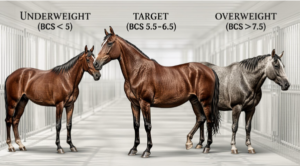
Nutrition directly affects a mare’s reproductive ability. We use the Henneke Body Condition Chart to rate a mare a number from 1 to 9 in the world of horse breeding.
Ideal BCS for a horse to have a successful breeding cycle in the spring is 5.5 to 6.5 (moderately fleshy to fleshy).
The Danger of Underweight Mares (BCS < 5): Thin mares have a tendency to have extended transition periods and have their bodies reject a standard horse breeding pattern. They don’t produce enough Gonadotropin-Releasing Hormone (GnRH), which is needed to stimulate follicle development in the brain.
Danger of Obese Mares (BCS > 7.5): Overweight mares have a very high risk of developing metabolic syndromes, systemic inflammation and laminitis. This affects egg quality and makes horse breeding as a whole extremely inefficient.
When breeding a horse, changes in her diet may need to be made at least 60-90 days before she is to cycle. A steady, climbing plane of nutrition, sometimes referred to as “flushing,” can alert the mare’s brain that her surroundings are optimum for supporting a foal, which can start her seasonal horse breeding cycle.
Managing Chronic and Hidden Ailments
One of the most important aspects of the horse breeding programme is to treat underlying abnormalities that may jeopardise a gestation. For instance, heavy foals may exacerbate a horse’s active gastric ulcers or deterioration of joints. Moreover, the mare is robbed of essential nutrients when she is overloaded with parasites, which then divert energy away from the reproductive system and slow down the horse breeding process.
Genetic Compatibility and Hereditary Screenings
Modern breeders don’t just consider looks when it comes to horse breeding. For today, the responsible breeding of a horse involves checking both the mare and stallion’s genes.
Breeders need to conduct targeted genetic panels before introducing a mare into the horse-breeding cycle to make sure that they aren’t introducing debilitating and hereditary diseases. These mutations can be detected early in your horse breeding program, safeguarding the interests of future generations and the longevity of your bloodlines.
Step 2: The Breeding Soundness Examination (BSE)
After the mare is considered systemically healthy, the next most important step in the horse breeding process is the Breeding Soundness Examination (BSE). The BSE is a thorough exam of the mare’s reproductive tract by a veterinarian specializing in equine reproduction that assesses her ability to become pregnant and carry a foal to term. This is an absolute must in every professional horse breeding program.
Rectal Palpation and Ultrasound
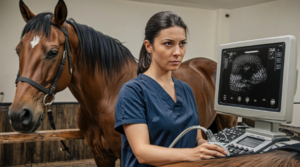
The veterinarian first puts a probe through the rectum and scans the ovaries, uterus and cervix. This enables them to keep track of the horse breeding cycle in real time. They examine for uterine cysts (which can be mistaken for early embryonic vesicles), uterine fluid accumulation, and cervical tone. The horse’s inside is important when breeding, as it helps determine when the horse should be bred for optimal results.
Uterine Culture and Cytology
The most important aspect of the horse breeding process is to maintain a clean uterine environment. A sterile sample will be taken from the endo by the veterinarian for culture and cytology.
Culture: Identifies pathogenic bacteria or fungi that cause uterine infections (e.g. Streptococcus zooepidemicus, Escherichia coli).
Cytology: Identifies inflammatory cells (neutrophils). The presence of neutrophils indicates active inflammation (endometritis), which can damage sperm and prevent embryo implantation.
Pre-treatment of a horse’s silent, subclinical endometritis before the breeding cycle begins is a significant contributor to increased pregnancy rates in horses.
Uterine Biopsy and the Kenney-Doig Scale
A uterine biopsy can be extremely useful in a horse breeding program to diagnose the cause of a mare’s past reproductive problems in the uterus, such as slippery or difficult-to-conceive pregnancies. A tiny tissue sample is graded on the Kenney-Doig scale:
Group 1: Normal endometrium; >80% probability of conception and carrying a foal to term.
Category IIA: Mild pathological changes – 50% to 80% chance of success.
Category IIB: Moderate changes; 10- 50% chance of success.
Category III: Extreme, permanent fibrosis or inflammation; <10% chance of having a live foal.
This classification helps breeders make informed, cost-effective choices prior to breeding a horse.
Vulvar Conformation and the Caslick’s Procedure
Finally, the veterinarian observes the conformation of the mare’s exterior. If the vulva is poorly shaped, it is possible for wind, feces, and bacteria to enter the vagina (called “pneumovagina” or wind-sucking) during the breeding act. This contamination causes a chronic, recurring uterine infection which interferes with the normal horse breeding cycle.
During the horse breeding process, a Caslick’s procedure is sometimes carried out by the veterinarian, which involves suturing the upper lips together to form a physical barrier. This temporary seal will be surgically opened later in the horse breeding schedule, just before foaling, to avoid the tearing of the seal, which could cause severe damage.
Navigating the Cycle: Photoperiod Manipulation and Selecting Modern Breeding Methods
The modern way of breeding horses is far more complex than the basic care and husbandry for a general horse and demands a shift from general to more exact reproductive management. In this second part of our guide, we’ll look at managing the horse breeding process, including precise cycle tracking and the best reproductive method. It is the ability to manage these phases effectively that is the difference between a very successful breeding operation and one that suffers from low conception rates and high veterinary costs.
To be successful in horse breeding today, it is important to grasp the concept of “time.” Equine reproduction is very seasonal, and a thorough understanding of the horse breeding cycle is important for any breeder. Mares experience an “early spring transition” during which they may exhibit heat behavior without ovulating. The first few months of transition can be very frustrating when trying to breed a horse, and really could make the seasonal horse breeding plan more difficult.
Step 3: Deciphering and Managing the Horse Breeding Cycle
The third step in the horse breeding cycle is deciphering and managing the cycle. One important tool in the horse breeding process is the ability to manipulate photoperiod, which is essential for creating a predictable breeding schedule. The pineal gland detects longer days in the wild and releases hormones that initiate the reproductive system. If we artificially light our mares for 16 hours each day, beginning in fall or early winter, we can affect the horse breeding cycle. This lighting program allows the mare’s hormonal pathways to be active when the breeding season officially begins, facilitating a smoother breeding process. Light therapy minimizes the frustration of non-fruiting cycles and allows an efficient, closely managed breeding schedule for those who are serious about horse breeding.
Tracking the Estrous Cycle Phases
After the mare has a fairly regular cycle, it becomes the daily task of the veterinary team to monitor the cycle of this individual mare. Knowing the different stages of horse estrus (receptive “heat”) and diestrus (non-receptive “out of heat”) is very important when breeding a horse. Transrectal ultrasound is a critical tool for veterinarians involved in the horse breeding process to track changes in the horse’s ovaries and uterus. Control of these hormonal changes is crucial in horse breeding. Even if it is a few hours out of sync, the window of optimal fertility will close, which means that you will have to wait for the next cycle to start breeding a horse. That is why it is essential to synchronize with a tight horse breeding schedule to optimize the chances of achieving high conception rates.
Step 4: Selecting the Modern Breeding Method
Another important consideration in horse breeding is which method to use for semen transfer. When you think of breeding a horse, you need to make some big decisions when you choose which method to use, as it will impact your budget and your horse breeding schedule.
Live Cover (Natural Service)
In the past, horse breeding depended exclusively on live cover, meaning that the horse and mare would mate naturally under human control. Today’s horse breeding has focused on the use of assisted reproductive technologies (ART), but some registries, such as the Thoroughbred Jockey Club (TJC), continue to require live cover. Live cover is a highly controlled activity, and great care must be taken to ensure the safety of both the horse being covered and the covering horse.
Artificial Insemination (AI)
The application of Artificial Insemination (AI) has completely changed the way the horse breeding process is undertaken. Using fresh, cooled or frozen semen allows breeders to obtain top semen from stallions around the world.
Fresh or Cooled Semen: If you are using fresh or cooled semen, the scheduling of your horse breeding program is crucial. Collected and cooled semen should be shipped and placed in the mare’s tract within 24-48 hours.
Frozen Semen: The most flexible form of global genetics is frozen semen; it requires a very rigorous horse breeding programme. Frozen-thawed sperm will not last very long (usually less than 12 hours), and in order to be sure of insemination, the mare’s horse breeding cycle should be monitored hourly to ensure the timing of insemination before or after ovulation. If you are breeding a horse with frozen straws, it’s essential to have a reproductive vet on-site.
Advanced Assisted Reproductive Technologies (ART)
In such cases, advanced techniques such as Embryo Transfer (ET) have revolutionized the way horses are bred, especially for high-performance horses or those with physical restrictions. In an ET program, the donor mare is bred, her breeding cycle is tracked, and the embryo is “flushed” approximately 7-8 days after ovulation. This embryo is then placed in a synchronized recipient mare, which carries it to term.
With these advanced techniques in horse breeding, the complexity of the breeding schedule increases significantly. The breeding cycle must be synchronized between the donor and recipient mares, ensuring their uterine environments match exactly. This increases the complexity of the horse breeding process, but the breeding of your horse can be made very precise, enabling you to produce several foals from one superior mare in one season, thus increasing the quality of horses being bred around the world.
Understanding this phase of the horse breeding process allows breeders to make informed, economically sound choices that help them achieve the best possible reproductive outcomes while keeping their horses in good condition.
Precision Timing: Advanced Ovulation Tracking, Post-Breeding Care, and Early Pregnancy Diagnostics
The key to any successful reproductive program is timing. This is the third of three parts in which we explore the most hands-on, precision part of the horse breeding process: Step 5 (Precise Ovulation Tracking) and Step 6 (Post-Breeding Management and early diagnostics). If you are breeding a horse, the window of opportunity for getting it done is very short. Controlling this window requires advanced knowledge of the horse breeding cycle and a very well-organized breeding schedule to ensure that, at the exact time of maximum semen and egg viability, no time is lost and they meet.
These are the final steps of the season for those involved in horse breeding. If you miss a day or an ovulation, your entire horse breeding program can be thrown out the window, and you will have to wait for the next horse breeding period, which will cause lost time, increased semen shipping costs, and more veterinary expenses.
Step 5: Precise Ovulation Tracking and Timing
Transrectal ultrasonography is used by veterinarians to monitor follicular dynamics and is the most useful method for optimizing the horse breeding process. Throughout the mare’s horse breeding cycle, one of the ovary follicles will develop faster, at about 3 to 5 millimeters per day, and become “dominant.During the mare’s breeding cycle, one of the follicles on the ovary will grow more quickly, about 3-5 millimeters per day, and become “dominant.”
Monitoring Follicular Dynamics and Uterine Edema
There are two main physical indicators that veterinarians observe when they are monitoring a mare’s horse breeding cycle that will help them identify the ideal time to breed a horse:
Follicle size: Pre-ovulatory Follicles are usually 35 mm- 50 mm in size, and they are soft. As the egg matures, the follicle becomes soft and squashes to a pear-like shape.
Uterine Edema: As the estrogen level rises, the endo lining of the uterus assumes an “orange-slice” pattern due to fluid (edema) seen on ultrasound. The pattern peak is a natural phenomenon and an indicator that the body is getting ready for the horse breeding process. Most importantly, this oedema should resolve naturally just prior to breeding; if it remains edematous after breeding, it can create an unfriendly environment for sperm.
These changes can be closely monitored, and breeders can ensure their horse breeding program is perfectly synchronized with the mare’s natural physiology, which is a significant benefit in modern horse breeding.
Pharmaceutical Induction of Ovulation
In natural ovulation, the use of cooled semen that has to be shipped is often impractical in professional horse breeding operations, particularly when that semen is shipped after the natural ovulation. In order to better control the timing of the horse breeding schedule, pharmaceutical treatments are used to induce ovulation:
Human Chorionic Gonadotropin (hCG): Simulates the effects of a surge of natural luteinizing hormone (LH). If the mare is in a good state of uterine edema, administration of hCG with a follicle over 35mm usually induces ovulation within 36-48 hours.
Deslorelin (GnRH Analogue): increases the secretion of LH and FSH from the pituitary. It is very useful for stimulating the horse to ovulate predictably and is a common practice when using expensive frozen semen.
These therapies are essential in the horse breeding process to inseminate the horse as close to ovulation as possible.
Managing Post-Breeding Inflammation (PMIE)
Persistent Post-Breeding Endometritis (PMIE) is one of the biggest problems encountered in the horse breeding program. All mares will have temporary inflammation of the uterus after being bred with semen. But some mares are “susceptible” and cannot clear this inflammatory fluid. The pregnancy will fail if this fluid is present in the uterus when the embryo moves into the uterus about 6 days after ovulation.
A post-breeding protocol is necessary to protect the horse breeding cycle in PMIE-susceptible mares, and should be implemented by the veterinary team:
Uterine Flushing (Uterine Lavage): Flushing of the uterus with sterile saline 4-24 hours after insemination to wash away dead sperm, inflammatory debris and bacteria.
Oxytocin Therapy: Low doses of oxytocin are used to stimulate the uterus, expelling any remaining fluid.
This aggressive approach is vital to successful horse breeding and needs to be incorporated into your horse breeding timetable from the start.
Step 6: Post-Breeding Management and Early Pregnancy Diagnostics
After the semen is placed and an ovulation is determined, the waiting starts. But the horse breeding process does not stop; the days following insemination are important for confirming pregnancy and addressing any potential complications.
The Crucial Day 14–16 Ultrasound Check
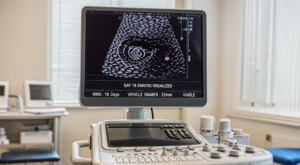
The first pregnancy test is made 14- 16 days after ovulation. This is one of the most important dates of any horse breeding program. The embryonic vesicle at this point moves freely in the uterus, continually making it known to the mare’s body, so that she cannot resume her normal horse breeding cycle.
When breeding a horse, the first and foremost goal is:
Confirming Pregnancy:Visualizing the small, circular embryonic vesicle in confirmation of pregnancy.
Checking for and Managing Twins: Twins are not safe for the horse and will generally lead to late-term abortion, weak foals or mare death; therefore, it is essential to check for and manage twin pregnancies.
If twins are detected, it must be done before day 16, when the embryos are still mobile and have not yet become fixed in the uterine horns, and is referred to as “pinching” one vesicle. It’s a pretty important, but delicate process in modern horses to make sure there’s only one healthy pregnancy.
The Day 25–30 Viability and Heartbeat Check
If a first scan is successful, the next step in your horse breeding program will be between the 25th and the 30th day. The veterinarian will check during this scan for:
An Active Heartbeat: Confirming the normal development of the embryo.
Early Embryonic Loss (EEL): If the pregnancy has failed, early detection enables the vet to send the mare back into the horse breeding season with prostaglandins without having to sacrifice the entire season.
With careful monitoring, drug use and accurate ultrasound exams, breeders can confidently handle these key aspects of the horse breeding process and produce a healthy foal.
Supporting the Journey: Gestational Management, Preventative Care, and Preparing for Parturition
After the baby is successfully diagnosed and the key first phase in the horse breeding process is achieved, the horse breeding process moves from an intense reproductive process to the long-term care of the pregnant mare and her growing baby. This is the last part of our guide covering Step 7 (Gestational Management & Preparing for Parturition) and giving an overview of all steps. The decisions that will be made during the 11-month gestation of a horse will be as important as the timing of the first insemination when breeding horses.
For those who want to breed their own horses, it is important to have a proper horse breeding schedule during pregnancy, so that the mare doesn’t abort the foal late, the foal is well developed, and the mare is ready for delivery. With knowledge of the special nutritional, immunological and physical needs of late gestation, you should be able to complete the horse-breeding cycle with a healthy mare and a successful foal.
Step 7: Gestational Management & Preparing for Parturition
The gestational phase of horse breeding lasts about 340 days. However, the mare’s nutritional and physical needs vary throughout this time. It’s essential to understand how to support her body.
Trimester-Based Nutritional Management
After successfully breeding a horse, it’s important to balance a mare’s nutritional requirements based on fetal development:
The First and Second Trimesters (Months 1 to 8): Fetal growth is relatively slow during these months. The mare can usually be kept on a high-quality forage diet with a standard balancer to meet her basic vitamin and mineral needs. Avoid overfeeding during this time, as an overweight mare faces higher risks for metabolic issues and difficult births.
The Third Trimester (Months 9 to 11): This phase requires more resources. Over 60% of fetal growth occurs in the last three months of pregnancy. The mare’s needs for energy, protein, calcium, and phosphorus rise sharply. Since her growing uterus limits her digestive tract, she should be given easily digestible, nutrient-rich concentrates along with high-quality forage to support the pregnancy while maintaining her body condition.
Crucial Vaccination and Deworming Protocols
A strong health program is vital in horse breeding. To protect the pregnancy and the future foal, breeders must follow a strict veterinary schedule:
Equine Herpesvirus-1 (EHV-1) Vaccination: EHV-1 causes infectious abortion in mares. To prevent this serious condition, pregnant mares must receive an EHV-1 vaccine (specifically for preventing abortion) at months 5, 7, and 9 of pregnancy.
Pre-Foaling Boosters (4 to 6 Weeks Prior to Foaling): Giving booster vaccines for tetanus, West Nile virus, Eastern/Western Equine Encephalomyelitis (EEE/WEE), and rabies late in gestation increases the amount of protective antibodies in the mare’s colostrum (first milk). Since foals are born without an active immune system, they depend on absorbing these maternal antibodies within the first 12 to 24 hours of life.
Targeted Deworming: Deworming the mare with a suitable product (like ivermectin or moxidectin) close to her foaling date reduces the risk of passing parasites (like Strongyloides westeri) through her milk to the newborn foal.
These preventative steps are crucial for protecting the health of both the mare and her foal.
Preparing the Foaling Environment and Recognizing Parturition
As the horse breeding cycle nears its end, it’s important to set up a clean, safe environment. The foaling area should be a large, well-bedded stall (ideally with straw to reduce dust inhalation by the newborn) or a clean, private paddock.
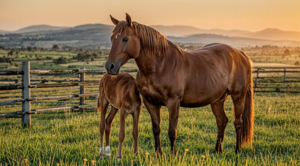
Knowing the signs of impending parturition helps breeders prepare for the delivery:
Softening of the Pelvic Ligaments: The muscles around the tailhead become relaxed and soft.
“Waxing” of the Teats: Yellow, waxy plugs of colostrum form on the ends of the teats 24 to 48 hours before foaling.
Changes in Milk Chemistry: Testing the calcium levels in the mare’s milk can help predict the exact night of delivery, allowing for close monitoring of the birth.
Conclusion: The Reward of Responsible Equine Reproduction
The modern horse breeding process is a significant journey that requires dedication, knowledge, and respect for the animal. From initial health screenings to tracking the horse breeding cycle, each step needs close cooperation between the breeder and the veterinary team. By following a structured horse breeding schedule and understanding the mare’s physiological needs, you can reduce the risks of breeding and set the stage for a successful pregnancy. Whether you are breeding a horse for a cherished bloodline or aiming to produce the next generation of equine athletes, a methodical, welfare-oriented approach ensures that the miracle of birth is supported by top-quality veterinary care.