

 By
By dog health problems Did you know that the majority of the problems with the health of the dogs can be avoided in case they are revealed at the earliest stage? Most pet owners overlook the warning signs that occur in their early stages and later on, the results are disastrous.
The Full Guide with Symptoms, Causes and in-depth explanations.
dog health problems are loving and faithful friends and members of our families. Nevertheless, they are not able to inform us when something is wrong. This is why pet owners must know the most common health issues in dogs, be able to notice the initial symptoms and take the appropriate actions at the appropriate time.
We are not going to simply list the common issues in this guide but explain each symptom and answer to each issue in this guide, so you clearly understand what is happening and what to do about dog health problems.
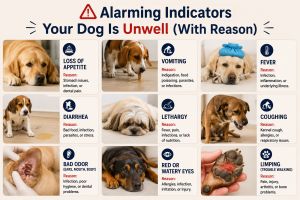
Alarming indicators Your Dog Is Unwell (With Reason)
Loss of Appetite
dog health problems Loss of appetite is a common symptom that usually comes first to signify that something is amiss. Healthy dogs tend to be more likely to eat, thus when your dog does not eat, it is possible that it is unhealthy, stressed or experiencing stomach upset.
What it means:
It is possible that your dog is having stomach problems, infections or even dental problems causing discomfort when eating.
What to do:
Serve light food like boiled chicken that is simple and light. When your dog will not take food longer than 48 hours it is an emergency and you need to take your dog to a veterinarian.
Vomiting or Diarrhea
dog health problems Incidences of vomiting are not necessarily serious and this is particularly true when your dog has ingested something abnormal. Nevertheless, frequent diarrhea or vomiting may soon result in the dehydration process, and it cannot be overlooked dog health problems.
What it means:
This may be as a result of an infection, food intolerance or parasites.
What to do:
Withhold solid food temporarily, administer clean water and introduce a bland diet such as rice and chicken when the symptoms are improved.
Lethargy (Low Energy)
dog health problems When your dog seems to be excessively fatigued, avoids exercise or sleeps overly, it is possible that it is an indication of a disease.
What it means:
Lethargy may signify fever, suffering or internal ailment.
Excessive Thirst
The increase in consumption of water beyond normal levels may not be such a big problem but it can be an indicator of some underlying health issues.
What it means:
The thirst can be higher due to the presence of diabetes or kidney diseases. dog health problems Easy Home Solutions.
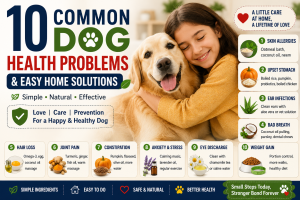
In-depth description of the typical dog health issues and the answers to these issues.
dog health problems It is important to learn about the dog health problems issues of dogs, as a pet owner. Although most of the issues might appear more of a small problem at first, they can soon escalate to serious issues when it is too late to act. Being aware of why such issues occur and how simple solutions can be used, you can be more careful of your dog and avoid the dog health problems in the long term.
The most frequent dog health issues and the rationale of the solutions is explained in detail below.
1. Digestive Problems
Easy Home Solutions One of the most dog health problems that are observed in dogs is the digestive problems. These issues are normally caused when a dog consumes something that is not appropriate, like spoiled food, garbage or a sudden change in diet. The digestive system of dogs is sensitive and even the slightest change in the diet can cause the stomach of the dog to imbalance.
In most cases when the digestive system is disturbed, it is accompanied by the symptoms of vomiting, diarrhea and weakness. These effects may lead to dehydration of which one of the largest risks of having digestive dog health problems is.
The rationale behind the inclusion of simple foods such as boiled chicken and rice is that it is easy to digest and easy on the stomach. They do not include fatty and spicy substances that may additionally irritate the digestive system. Eating small meals, rather than large portions, will help ease the burden on the stomach and allow the stomach to recuperate over time. Hydration is also vital since diarrhea and vomiting cause a lot of loss of fluids and water is also important in restoring normal body functions.
2. Parasites
dog health problems Some of the parasites that are prevalent in dogs are fleas, ticks, and worms that are dog health problems, particularly the dogs that spend time outdoors. Not only are these parasites unpleasant, but also dangerous to health due to serious complications in case they are not treated Easy Home Solutions.
The dogs normally acquire parasites in the polluted surroundings, interaction with other animals or in the lack of hygienic conditions. Fleas and ticks are external parasites that can be found on the skin and feed on the blood, whilst worms are internal parasites that reside in the body and feed on the nutrients that should be used by the dog Easy Home Solutions.
Frequent bathing is useful in eliminating external parasites on the skin and coats. It is necessary to clean bedding and living areas as in most cases, parasite eggs and larvae can be found in these areas. Preventive treatments are effective as they prevent the life cycle of parasites and reinfestation. Preventive treatments include anti-flea medications, deworming, and other similar methods.
3. Dental Problems
dog health problems The health of the teeth is a significant problem that is often neglected by people, and yet, it has a significant impact on the overall dog health problems. The dental issues arise when particles of food do not leave the teeth and cause the accumulation of plaque. The bacteria reproduce over a period in this plaque which leads to bad breath, gum disease and even infections.
Dental infections can also be transmitted to other body parts, such as the heart and kidneys, making it a serious condition, when left untreated Easy Home Solutions.
Cleaning the teeth of your dog can help to remove plaque prior to becoming hardened into tartar. Dental chews come in handy as they automatically clean the buildup as the dog chews on them. The use of coconut oil is sometimes evoked due to its weak antibacterial effect that may render oral hygiene dog health problems.
4. Dog Not Eating
Loss of appetite is one of thedog health problems that are usually expressed by the owners of the dogs. There are many reasons why dogs can cease to eat, including stress, illness, boredom with food or physical discomfort such as dental pain.
Food is an important aspect of keeping the body strong and healthy, which is why a loss of appetite can easily result into weakness and nutrient deficiencies.
Warming food will promote the odor of food, which is more attractive to the dogs, as they largely rely on their sense of smell. Provision of soft, nutritious food such as boiled chicken can be used to encourage eating since it is easy to chew as well as highly palatable. Having a regular feeding schedule is also essential since dogs are creatures of routine and inconsistent feeding schedules may disorient the dog health problems.
5. Skin Allergies
dog health problems One of the most prevalent health problems in dogs and capable of causing great pain is skin allergies. The environmental factors which normally lead to these allergies include dust, pollen, chemicals or even some food.
In cases where a dog is allergic, it may commonly lead to the itchiness, reddening, and irritation of the dog. The skin may be damaged due to constant scratching and result in infections.
It is generally suggested to use oatmeal baths since the oatmeal has a calming effect and helps in relieving itching and inflammation dog health problems. Coconut oil can be applied to dry skin to moisturize it and heal. Nevertheless, the best solution is to determine the allergen that induces the reaction and to avoid it because this will prevent the symptoms but not the root cause.
6. Respiratory Infections
dog health problems Respiratory infections are those that affect the breathing process of a dog and are usually caused by viruses, bacteria or cold environments. Such infections may cause a dog to feel weak and uncomfortable and in extreme cases, may cause breathing problems.
Having the dog in the warm environment will prevent the symptoms to become worse, since the cold environments will irritate the respiratory system. The moisture of the air facilitates easier breathing, and at the same time, airways remain moist and irritation is minimized. This is due to the fact that proper hydration helps in supporting immune system and helps the body to fight infection.
7. Joint Pain & Arthritis
Older dogs and some breeds are likely to have joint pain and arthritis. These diseases are acquired over time as a result of old age, obesity or genetic malfunction. They may lead to rigidity, immobility and lack of activity.
Placing soft bedding contributes to lessening the pressure on the joints, more specifically, when the dog is lying down. Light exercise is significant as it maintains joints flexible, and does not allow stiffness to become even more severe. Fish oil is a good supplement as it has anti-inflammatory properties, which could help reduce pain and enhance mobility.
8. Obesity
Obesity is an increasing trend among dogs and can result in a number of adverse health effects. It is principally brought on by overeating and physical inactivity. Unless the number of calories that the dogs intake exceeds their energy expenditure, the surplus energy is stored in the form of fat.
This additional weight strains the joints, increases the chances of having a heart disease and shortens the overall lifespan.
Portion control is necessary since it allows checking that the dog is neither absorbing too many calories. Physical activity aids in burning up the accumulated fats and keep the body in a healthy weight. It is also significant to limit the number of treats since they usually have some hidden calories which lead to gaining weight.
9. Ear Infections
In the dogs, ear infections are very common and are mainly found in dogs with floppy ears. These infections take place when the moisture, dirt or bacteria collect in the inside of the ear canal giving a perfect habitat to bacteria.
The symptoms can be head shaking, redness and foul odor.
Ear cleaning is a good idea so that dirt and accumulation that cause infection can be removed. It is also necessary to keep the ears dry as well as moisture promotes the growth of bacteria. Ear care will go a long way in eliminating any chances of repeated infections.
10. Urinary Problems
Dogs of any age may have urinary problems which may turn serious when not attended to at the earliest stage. Most of these problems are the result of infection, dehydration or improper hygiene.
It can have symptoms such as frequent urination, discomfort or alteration in the urine colour.
The provision of fresh and clean water is important as it aids in getting rid of toxins and in supporting the functioning of the kidney. Hygiene will minimize chances of getting infections into the urinary tract. By paying attention to these issues early it is possible to avoid more severe complications.
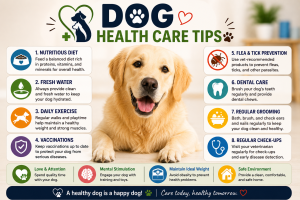
Dog Health Care tips 🐕.
Balanced Diet
Healthy food makes your dog resistant to the immune system as well as prevents numerous diseases.
Exercise
Exercise will keep your dog physically fit and mentally stimulated.
Hygiene
Cleanliness will prevent infection, parasites, and skin problems.
Vaccination
Vaccines safeguard against diseases, which are life threatening.
Mental Health
To remain emotionally healthy, dogs require attention, interaction and stimulation.
Preventing the most typical health issues of dogs.
It is far easier to prevent health problems in dogs, than it is to treat them. Most of the common problems such as digestive problems, parasites, skin allergies, and infections can be prevented with proper care, routine and attention.
The following are the best methods of ensuring that your dog is healthy and disease free.
1. Eat a Balanced and a High-Quality Diet.
Healthy lifestyle: The first step towards the overall health of your dog.
Why it matters:
The low-quality or the inappropriateness of food can cause digestional issues, obesity, skin allergies, and poor immunity.
What to do:
Provide good quality dog food with good nutrients.
Do not feed on harmful human foods (chocolate, onions, grapes).
Have a regular feeding schedule.
Do not abruptly switch the diet of your dog Easy Home Solutions.
👉 Balanced diet is a good measure to avoid digestive problems, obesity and skin problems.
2. Ensure Daily Exercise
Exercising on a regular basis is vital to physical and mental wellbeing.
Why it matters:
Exercise deprivation results in obesity, stiffness of the joints and behavioral disorders.
What to do:
Walk your dog everyday.
Play such games as running or fetch.
Vary activity depending on age and breed of your dog.
👉 Physical activity prevents obesity, joint issues and stress.
3. Maintain Proper Hygiene
Hygiene is a significant contributor to the avoidance of infections, parasites.
Why it matters:
Poor sanitation and unclean environment may result in skin diseases, fleas, ticks, and ear complications.
What to do:
Wash your dog frequently.
Sanitary bedding and living space.
Wash the hair of your dog.
Clean and dry ears.
👉 Good hygiene helps to prevent parasites, skin allergies and infections.
4. Regular Parasite Control
One of the most prevalent causes of disease in dogs is parasites.
Why it matters:
Fleas, ticks and worms may lead to severe health issues and transmit diseases.
What to do:
Use monthly flea and tick treatments
Regularly deworm your dog.
Look after the coat of your dog in order to check whether it is infested with parasites.
👉 This helps to avoid itching, infections and internal diseases.
5. Look after Dental Health.
Dental care is considered to be neglected, yet highly important.
Why it matters:
Oral poor Hygiene may result into other organ infections.
What to do:
Regularly brush the teeth of your dog.
Provide dental chews
Schedule dental checkups
👉 Helps to prevent bad breath, gum disease and infections.
6. Keep Vaccinations Up to Date
Immunizations will help to keep your dog healthy and safe against serious illnesses.
Why it matters:
Unvaccinated dogs are at risk of contracting infections that are life threatening.
What to do:
Take an appropriate vaccination.
See your vet on a regular basis.
👉 Prophylaxis of viral and bacterial diseases.
7. Support Mental Health
Dogs require emotional attention as human beings do.
Why it matters:
Loss of appetite, aggression and behavioral problems are some of the consequences of stress and anxiety.
What to do:
Have quality time with your dog.
Give stimulation and toys.
Do not leave your dog alone, over a long period of time.
👉 Reduces the health-related stress problems.
8. Ensure Proper Hydration
Water plays a critical role in all functions of the body.
Why it matters:
The dehydration may cause urinary incontinence and kidney problems.
What to do:
Always make fresh and clean water.
Monitor water intake
👉 Helps to prevent urinary infections and kidney troubles.
9. Regular Vet Checkups
Health checkups are very important.
Why it matters:
There are some diseases which do not present themselves in their initial stages Easy Home Solutions.
What to do:
Have frequent vet appointments.
Get early diagnosis and treatment
👉 Vigilante: Helps in the prevention of serious long-term diseases.
10. Behaviour of Your Dog.
The largest health indicator is the behavior of your dog.
Why it matters:
By checking your dog at an early age, you will be able to save the life of your dog.
What to do:
Be aware of eating, energy or habit changes.
Take immediate actions in case something appears to be wrong.
👉 Helps to stop minor problems becoming serious problems.
Final Thoughts
It is not only about treatment that is important in taking care of your dogs health; it is also about being aware, preventive and consistent care. Early detection and prevention of severe health conditions in your dog is possible by learning about the symptoms and acting early.
Not only is a healthy dog happier, but also leads a longer and happier life.
Learning about these typical dog health issues, and what can be done about them, will enable pet owners to better care of their pets. All these problems could be avoided or treated with basic procedures like proper nutrition, hygiene, exercise and observation.
The most important factor in making sure your dog is healthy is consistency. Even little things you do each day such as feeding your dog the correct food, keeping the home clean and taking note of the behavior of your dog can make a great difference in the life of your dog Easy Home Solutions.
You can make sure that your dog stays happy, healthy and full of energy many years to come by staying informed, and by being proactive.
❓ Frequently Asked Question (FAQs)
1. What are the most prevalent health issues in dogs?
Digestive disorders, parasites (fleas, ticks, worms), dental health problems, skin allergies, ear infections, obesity, joint pains, respiratory infections, and urinary discomforts are the most common problems that affect the health of dogs. The conditions may occur in dogs of all ages and this should be controlled at an early age to avoid complications.
2. What can I do to know whether my dog is sick or not?
A sick dog can be detected by observing the change of behavior and physical state. Symptoms are usually loss of appetite, vomiting, diarrhea, loss of energy, excessive thirst, coughing, itching and abnormal behavior. When these symptoms proceed beyond 24-48 hours, then approach a veterinarian.
3. What would you recommend in the case of a dog that is not eating?
When your dog is not eating, you can offer him warm and soft food like boiled chicken or rice. Provide a relaxing environment and have a feeding schedule. When your dog does not eat during the span of over 48 hours, then it may be a sign of health issue and warrants a visit to the veterinary.
4. Am I able to treat the health issue of my dog at home?
Simple matters like mild stomach upsets or some light skin rash are some of the problems that can be treated at home using simple remedies. Nonetheless, a veterinarian at all times should assess serious or persistent symptoms because it may lead to complications dog health problems.
5. What can I do to avoid the parasites in dogs?
Prevention of parasites is possible through proper hygiene, bathing your dog regularly, bedding hygiene and preventive medications such as flea control products and deworming medications recommend by a vetdog health problems.
6. What is the frequency of visiting the vet with my dog?
In the case of healthy dogs, the vet should be visited at least once a year to have a checkup. Puppies, old dogs or dogs with health problems might need more frequent visits where their health can be monitored.
7. Which diet would be the most effective to keep dogs healthy?
It is important that a balanced diet is maintained that incorporates dog food of high quality, and that contains the right nutrients. Do not feed on harmful foods of humans, and keep to a regular schedule of feeding, in order to assist in digestion and in maintaining the overall health.
8. What can I do so that I keep the teeth of my dog in tip-top condition?
Oral hygiene is maintained by brushing, chewing dental sticks and attending to dental checkups. Dental care can prevent infections, and enhance general health.
9. What is so much scratching that my dog is doing?
Over scratching is normally occasioned by fleas, allergies or skin infections. The further irritation and complications can be avoided by identifying the cause and treating it at the early stage dog health problems.
10. What are the cases when I can take my dog to the vet immediately?
You are advised to take your dog to the veterinary immediately, should it exhibit serious symptoms like persistent vomiting, laboured breathing, seizures, blood in the stool or urine or refusal to eat after more than two days.
11. What can I do to ensure that my dog is not obese?
dog health problems Controlling the amount of food intake, engaging in regular physical activities, and minimizing snacks can help prevent obesity. Avoiding heart and joint related issues is important by maintaining a healthy weight.
12. Can dogs be safe using home remedies?
Home remedies may be useful to slight problems but not all are safe. Always apply reliable remedies and consult a veterinarian when trying new remedies, especially when the condition of your dog is severe Easy Home Solutions.