

 By
By Introduction
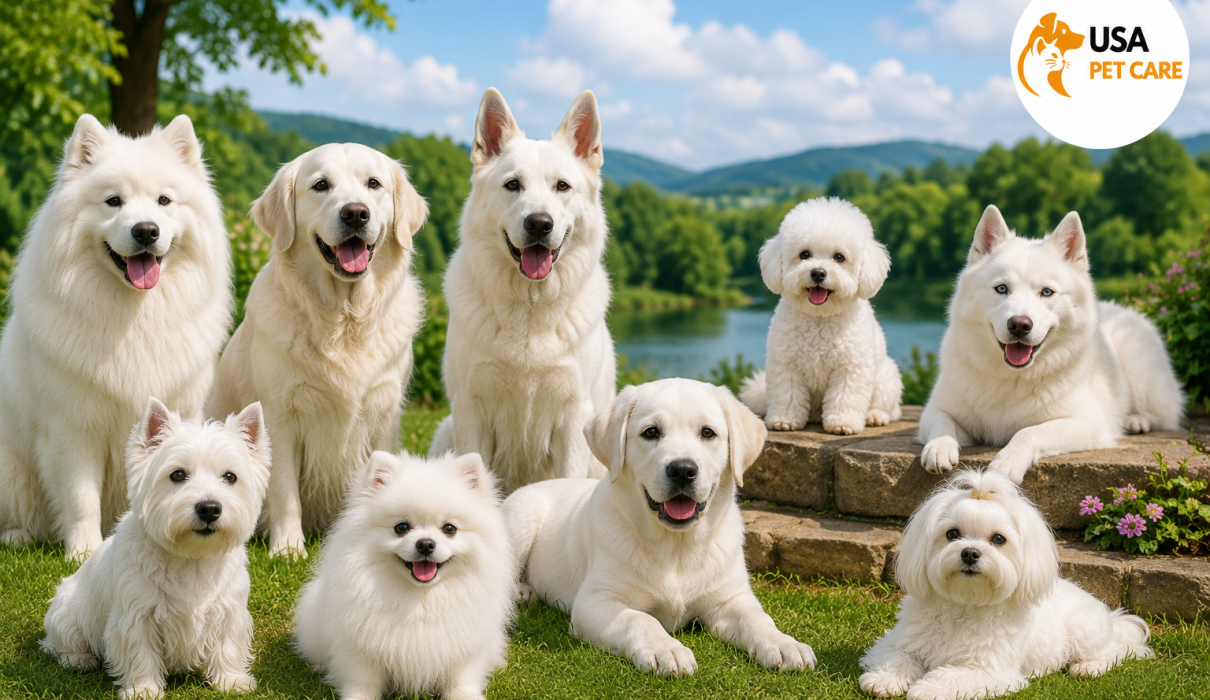
White dog breeds have a special kind of charm that instantly grabs attention. Their fluffy coats, playful personalities, and loving nature make them some of the most popular family pets in the world. Whether you are searching for a tiny lap dog or a large protective companion, there are many beautiful white dogs that fit different lifestyles and homes.
Some families prefer small white dog breeds because they are easy to manage in apartments, while others love large fluffy dogs that enjoy outdoor adventures. From elegant companions to energetic protectors, white dogs come in many personalities and sizes. Their bright coats and friendly behavior often place them among the prettiest dog breeds people admire.
In this guide, you will discover 10 gorgeous white dog breeds that are known for being loyal, family-friendly, and incredibly lovable. You will also learn about their personalities, grooming needs, and which breed may suit your lifestyle best.
Why White Dog Breeds Are So Popular
White dog breeds have remained popular for generations because of their stunning appearance and lovable personalities. Their clean, fluffy coats often make them look elegant and luxurious, which is one reason many dog lovers are naturally attracted to them. Whether it’s a tiny companion dog sitting on a couch or a large fluffy guardian running through the yard, white dogs easily stand out wherever they go.
Another reason these dogs are loved by families is their friendly and affectionate behavior. Many white dog breeds are naturally social and enjoy spending time with people. They quickly become part of the family and often build strong emotional bonds with their owners. Their gentle personalities make them excellent companions for children, adults, and even seniors.
One of the best things about white dog breeds is the variety available. Some people prefer small white dog breeds that are perfect for apartment living and easy indoor care. Others may want energetic outdoor dogs that enjoy long walks, hiking, and playtime. Because there are so many options, families can easily find a white dog that matches their lifestyle and activity level.
White dogs are also commonly featured in movies, advertisements, and social media because of their photogenic appearance. Their bright coats create a soft and attractive look that many people adore. This popularity has helped several white breeds become recognized among the prettiest dog breeds in the world.
Beyond appearance, these dogs are often intelligent, loyal, and easy to train. Many breeds respond well to positive training methods and enjoy learning tricks or routines. Their ability to adapt to different homes and family environments makes them reliable companions for both experienced and first-time dog owners.
Things to Know Before Choosing a White Dog
Bringing a white dog into your home can be an exciting experience, but it is important to understand the responsibilities that come with owning one. While these dogs are beautiful and loving companions, many of them require regular grooming, proper training, and daily attention to stay healthy and happy.
Coat Maintenance and Grooming Needs
One of the biggest challenges with white dog breeds is keeping their coats clean. White fur easily shows dirt, stains, and shedding, which means grooming becomes an important part of their routine. Some breeds have long silky hair that needs daily brushing, while others have thick double coats that require frequent maintenance to prevent tangles and matting.
Regular baths, ear cleaning, and nail trimming also help maintain their overall appearance. Many owners use dog-friendly whitening shampoos to keep the coat bright and fresh-looking. Around the eyes and mouth, some small white dog breeds can develop tear stains, so gentle cleaning is often necessary.
Professional grooming may also be needed for certain breeds, especially those with curly or heavy coats. Before choosing a dog, it is important to consider whether you have enough time and budget for grooming care.
Health and Exercise Requirements
Different white dog breeds have different energy levels. Some are calm indoor companions, while others are active dogs that need regular exercise and outdoor activities. Dogs that do not get enough physical activity may become bored or develop destructive behavior over time.
Daily walks, play sessions, and mental stimulation are important for keeping dogs healthy and emotionally balanced. Intelligent breeds especially enjoy learning commands, solving puzzles, and interacting with family members.
Like all pets, white dogs can also face certain health issues depending on the breed. Regular vet checkups, balanced nutrition, and proper exercise help reduce health risks and improve their quality of life.
Choosing the Right Breed for Your Family
Not every dog breed fits every household. Some dogs are perfect for families with children, while others are better suited for quiet homes or experienced owners. Small white dog breeds are often ideal for apartment living because they need less space, but larger dogs may require bigger homes and outdoor areas.
Families with busy schedules should also think carefully before choosing high-energy breeds that demand constant attention and exercise. On the other hand, calm and affectionate breeds can adapt more easily to relaxed environments.
Taking time to understand a dog’s personality, grooming needs, and activity level can help you choose a pet that truly matches your lifestyle. A well-matched dog usually becomes a happier companion and a valued member of the family for many years.
Samoyed
The Samoyed is one of the most beautiful and recognizable white dog breeds in the world. Known for its thick fluffy coat and famous “Sammy smile,” this breed has become a favorite among families who want a friendly, energetic, and eye-catching companion. Originally bred to work in cold climates, Samoyeds are strong, intelligent dogs that enjoy spending time with people.
Why the Samoyed Is One of the Prettiest Dog Breeds
Few dogs attract attention as quickly as a Samoyed. Their bright white fur, soft appearance, and constantly smiling face give them a charming and elegant look. Because of their fluffy double coat, they often resemble giant teddy bears, which makes them especially popular with families and dog lovers.
Their graceful appearance and playful personality place them among the prettiest dog breeds admired around the world. Samoyeds are also highly photogenic and frequently appear in social media content because of their beautiful coats and cheerful expressions.
Personality and Family Behavior
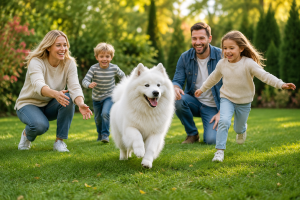
Samoyeds are extremely social dogs that love being around people. They form strong emotional bonds with their families and usually get along very well with children. Their friendly nature also makes them less aggressive than many guard dogs, although they can still alert owners when strangers arrive.
These dogs are energetic and playful, which means they enjoy outdoor games, walks, and activities with family members. Because they were originally working dogs, Samoyeds prefer staying active rather than sitting alone for long periods.
They are also intelligent and quick learners, but sometimes their independent personality can make training slightly challenging. Consistent positive reinforcement and patience usually work best with this breed.
Grooming and Care Tips
A Samoyed’s beautiful coat requires regular maintenance to stay healthy and clean. Their thick fur sheds heavily, especially during seasonal coat changes, so brushing several times a week is necessary. Without proper grooming, their coat can become tangled and uncomfortable.
Despite their fluffy appearance, Samoyeds are naturally clean dogs. However, their white coat can still collect dirt easily, especially after outdoor activities. Regular baths and coat care help maintain their bright and soft appearance.
Because this breed is highly energetic, daily exercise is extremely important. Long walks, outdoor playtime, and mental stimulation help keep Samoyeds physically fit and emotionally happy. Families who enjoy active lifestyles often find this breed to be an excellent companion.
Maltese
The Maltese is one of the most loved small white dog breeds, famous for its elegant appearance and affectionate personality. With its silky white coat and gentle nature, this tiny companion dog has remained popular among pet lovers for centuries. Despite its small size, the Maltese is full of confidence, energy, and charm.
Small White Dog Breed with a Big Personality
The Maltese may be small in size, but it has a lively and fearless personality. These dogs enjoy attention and love staying close to their owners. Their playful behavior and affectionate attitude make them wonderful indoor companions for families, singles, and seniors alike.
One of the most attractive features of the Maltese is its long, flowing white coat. Their soft fur gives them a graceful and luxurious appearance, helping them rank among the prettiest dog breeds for people who love elegant pets.
Because they are compact and lightweight, Maltese dogs are also ideal for apartment living. They do not require a large outdoor space, which makes them a practical choice for city lifestyles.

Why Families Love the Maltese
Families often choose the Maltese because of its loving and friendly nature. These dogs enjoy human companionship and quickly become emotionally attached to their owners. They are happiest when included in daily family activities and do not like being left alone for long periods.
Maltese dogs are also known for being gentle with children when treated carefully. Their calm indoor behavior makes them suitable for homes where owners prefer a quieter pet. Even though they are small, they remain alert and curious, often acting like tiny watchdogs around the house.
Their intelligence also makes training easier compared to many other toy breeds. With patience and positive reinforcement, Maltese dogs can learn commands and routines quickly.
Grooming Needs
The beautiful white coat of a Maltese requires consistent grooming to stay clean and smooth. Daily brushing is usually recommended to prevent tangles and knots from forming in their long hair.
Like many small white dog breeds, Maltese dogs can develop tear stains around their eyes. Gentle cleaning and proper hygiene help reduce discoloration and keep their face looking fresh.
Regular bathing, nail trimming, and dental care are also important for maintaining their overall health. Some owners choose shorter haircut styles to make grooming easier and more manageable in daily life.
Although the Maltese is not highly energetic, short walks and indoor play sessions help keep them healthy and mentally active. Their affectionate personality and elegant appearance continue to make them one of the most admired companion dogs worldwide.
American Eskimo Dog
The American Eskimo Dog is a beautiful and intelligent breed that easily captures attention with its fluffy white coat and lively personality. Despite its name, this breed was actually developed in the United States and became popular because of its friendly behavior, sharp intelligence, and striking appearance. It is considered one of the coolest dog breeds for families who want both beauty and brains in a pet.
A Smart and Cool Dog Breed
The American Eskimo Dog is highly intelligent and learns quickly, which makes training easier for most owners. These dogs enjoy learning tricks, following commands, and participating in family activities. Because of their sharp minds and energetic nature, they are often excellent at obedience training and dog sports.
Their bright white coat, fluffy tail, and expressive eyes give them an elegant and attractive appearance. Many people instantly fall in love with their fox-like face and cheerful expression. Their playful energy and confident personality make them stand out among other white dog breeds.
This breed comes in different sizes, including toy, miniature, and standard varieties. Because of this, families can choose a size that best matches their living space and lifestyle.
Temperament and Energy Level
American Eskimo Dogs are social animals that enjoy being around people. They are loyal to their families and often become deeply attached to their owners. Their affectionate nature makes them wonderful companions for children and active households.
These dogs are naturally alert and protective, which means they can also work as good watchdogs. They usually bark to alert their owners when strangers approach the home, but proper training helps control excessive barking.
Since they are energetic dogs, they require regular exercise and mental stimulation. Daily walks, games, and training sessions help keep them happy and prevent boredom. Without enough activity, they may become restless or develop unwanted behaviors.
Best Home Environment
The American Eskimo Dog thrives in homes where it receives plenty of attention and interaction. Families that enjoy active lifestyles usually match well with this breed because it loves outdoor activities and playful routines.
Although they can adapt to apartment living, they still need daily exercise and enough mental challenges to stay balanced. Homes with yards provide extra space for them to play and release energy.
Early socialization is also important for this breed. Introducing them to different people, environments, and situations at a young age helps them grow into confident and well-behaved adult dogs.
With their combination of intelligence, loyalty, and stunning appearance, American Eskimo Dogs continue to be one of the most admired family-friendly white dog breeds in the world.
Bichon Frise
The Bichon Frise is a cheerful and affectionate companion that has become one of the most popular small white dog breeds in the world. Known for its soft curly coat and playful personality, this adorable dog is loved by families who want a friendly pet with a charming appearance. Its happy nature and manageable size make it an excellent choice for both apartments and family homes.
One of the Most Popular Small White Dog Breeds
The Bichon Frise is easy to recognize because of its fluffy white coat that resembles a soft cotton ball. Its bright eyes and constantly cheerful expression give it a friendly and welcoming appearance. Many dog lovers consider this breed one of the prettiest dog breeds because of its elegant and clean look.
Unlike some other fluffy dogs, the Bichon Frise sheds very little, which makes it a popular option for people who prefer cleaner indoor environments. Although no dog is completely hypoallergenic, this breed is often considered easier to manage for individuals with mild allergies.
Their small size also makes them highly adaptable. Whether living in a small apartment or a larger home, the Bichon Frise usually adjusts comfortably as long as it receives enough attention and daily activity.
Why It Makes a Great Family Dog
One of the biggest reasons families love the Bichon Frise is its affectionate personality. These dogs enjoy being around people and dislike feeling lonely for long periods. They are naturally social and often get along well with children, guests, and even other pets.
The breed is playful without being overly aggressive or difficult to control. Their gentle and entertaining behavior makes them wonderful companions for families who want a dog that can easily fit into everyday life.
Bichon Frises are also intelligent and respond well to positive training methods. They enjoy learning tricks and routines, especially when rewarded with praise or treats. Because of their friendly nature, they often become emotionally attached to their owners and love participating in family activities.
Grooming and Health Care
The beautiful curly coat of a Bichon Frise requires regular grooming to stay soft and healthy. Brushing several times a week helps prevent knots and tangles from forming in the fur. Professional grooming is also recommended every few weeks to maintain their neat appearance.
Like many white dog breeds, keeping the coat clean is important because dirt and stains can become visible quickly. Eye cleaning and ear care should also be part of their grooming routine to avoid infections and discoloration.
Although they are small dogs, Bichon Frises still need daily exercise and playtime. Short walks, indoor games, and social interaction help keep them physically active and mentally happy.
Their loving personality, adorable appearance, and adaptable nature continue to make the Bichon Frise one of the most admired companion dogs for families around the world.
Great Pyrenees
The Great Pyrenees is a large and powerful white dog breed known for its calm personality, protective instincts, and majestic appearance. Originally bred to guard livestock in mountain regions, this gentle giant has become a loyal family companion for people who want a loving yet dependable dog. Its thick white coat and impressive size make it one of the most recognizable white dog breeds in the world.
A Gentle Giant with a Stunning White Coat
The Great Pyrenees is admired for its beautiful fluffy coat and strong build. Its calm expression and graceful movements give it a noble appearance that naturally attracts attention. Many dog lovers consider this breed one of the prettiest dog breeds because of its elegant white fur and confident personality.
Despite its large size, the Great Pyrenees is known for being gentle and patient. These dogs usually move calmly and rarely behave aggressively without reason. Their natural confidence and protective nature make them excellent guardians for families and homes.
Their thick double coat was designed to protect them from cold weather, which also gives them their signature fluffy and majestic look.
Family Compatibility
One of the most impressive qualities of the Great Pyrenees is its loyalty to family members. These dogs are naturally protective and often form strong emotional bonds with the people they live with. They are especially gentle with children and usually show patience even during active playtime.
Although they are protective dogs, they are generally calm and affectionate rather than overly aggressive. Proper socialization from a young age helps them become friendly and well-behaved around visitors and other pets.
Because of their large size, the Great Pyrenees is usually better suited for homes with more space. Families with yards or outdoor areas often find it easier to provide the environment this breed enjoys.
Training and Maintenance
Training a Great Pyrenees requires patience and consistency because these dogs are intelligent but sometimes independent thinkers. They were originally bred to work alone while guarding livestock, so they can occasionally appear stubborn during training sessions.
Early obedience training and socialization are important for helping them develop good manners and confidence around new people and situations.
Their thick white coat also needs regular grooming to prevent matting and excessive shedding. Brushing several times a week helps maintain the health of their fur and reduces loose hair around the home.
Although they are calmer than many energetic breeds, Great Pyrenees dogs still need daily walks and outdoor activity to stay healthy. Moderate exercise, combined with attention and companionship, helps them remain physically fit and emotionally balanced.
With their calm personality, protective instincts, and striking appearance, the Great Pyrenees continues to be one of the most respected and lovable family-friendly white dog breeds.
Japanese Spitz
The Japanese Spitz is a charming and energetic white dog breed that has become increasingly popular among families and dog lovers. With its fluffy white coat, fox-like face, and playful personality, this breed combines beauty with intelligence. Its friendly nature and manageable size make it a wonderful choice for both small apartments and larger homes.
Cute and Energetic White Dog Breed
The Japanese Spitz is often admired for its bright white fur and elegant appearance. Its soft double coat gives it a fluffy look, while its pointed ears and smiling expression create a lively and alert personality. Many people consider this breed one of the prettiest dog breeds because of its clean, attractive appearance and cheerful attitude.
Despite its elegant look, the Japanese Spitz is an active and playful dog. It enjoys running, playing games, and spending time with family members. Their energetic behavior makes them entertaining companions for both children and adults.
This breed is also known for being highly intelligent and quick to learn. They usually respond well to training and enjoy activities that keep their minds active.
Why It’s Perfect for Families
One of the main reasons families love the Japanese Spitz is its affectionate personality. These dogs enjoy human companionship and often build strong bonds with their owners. They are friendly toward children and generally behave well around guests when properly socialized.
Unlike some small dogs that become nervous easily, the Japanese Spitz is usually confident and outgoing. Their social personality helps them adapt comfortably to different family environments.
Because they are medium-small in size, they can live comfortably in apartments as long as they receive enough exercise and attention. They also tend to be cleaner than many other fluffy breeds, which makes them easier to manage indoors.
Grooming and Exercise
The thick white coat of the Japanese Spitz requires regular brushing to maintain its fluffy appearance and reduce shedding. Although their fur looks high-maintenance, it naturally repels some dirt, making grooming easier than many people expect.
During shedding seasons, brushing becomes even more important to remove loose hair and keep the coat healthy. Regular baths and basic hygiene care also help maintain their bright white appearance.
Japanese Spitz dogs are energetic and enjoy daily walks, outdoor activities, and interactive games. Mental stimulation is equally important because intelligent dogs can become bored without enough activity.
With proper care, training, and attention, the Japanese Spitz becomes a loving, entertaining, and loyal family companion that easily fits into many lifestyles.
West Highland White Terrier
The West Highland White Terrier, often called the Westie, is a small but confident dog known for its bright white coat and fearless personality. This energetic terrier may be compact in size, but it carries a bold attitude that makes it stand out among other small white dog breeds. Its playful behavior and loyal nature have made it a favorite companion for families around the world.
A Bold and Confident Small White Dog
The Westie has a unique appearance that instantly catches attention. Its upright ears, dark expressive eyes, and fluffy white coat give it a lively and intelligent look. Even though it is small, the breed naturally carries itself with confidence and curiosity.
Many people admire the Westie because it combines cuteness with a strong personality. Its energetic behavior and alert expression place it among the coolest dog breeds for families who want a dog with character and charm.
Originally bred as a hunting dog, the West Highland White Terrier remains brave and determined. It enjoys exploring, playing, and staying active throughout the day.
Best Traits for Families
Westies are affectionate dogs that enjoy spending time with their owners. They usually form close bonds with family members and love being included in everyday activities. Their playful personality makes them especially entertaining around children.
These dogs are also naturally alert, which means they often make excellent little watchdogs. They quickly notice unfamiliar sounds or visitors and are not afraid to bark when something catches their attention.
Although they are independent thinkers, Westies are generally friendly and social when properly trained. Their balanced mix of confidence and affection makes them suitable for many types of households.
Care and Training Tips
The white double coat of a Westie requires regular brushing to stay neat and healthy. Their fur is slightly rough in texture and may need professional trimming from time to time to maintain its classic appearance.
Like many terrier breeds, Westies are energetic and curious, so they benefit from daily walks and interactive play sessions. Keeping them mentally active also helps prevent boredom and unwanted behavior.
Training should begin early because terriers can sometimes become stubborn if not guided properly. Positive reinforcement and consistency usually work best with this breed.
Socialization is equally important. Introducing a Westie to different people, pets, and environments at a young age helps build confidence and encourages good behavior as they grow older.
With their playful spirit, loyal personality, and adorable appearance, West Highland White Terriers continue to be one of the most loved small white dog breeds for modern families.
Pomeranian
The Pomeranian is a tiny yet incredibly stylish dog that has become one of the most admired small white dog breeds in the world. Known for its fluffy coat, fox-like face, and energetic personality, this breed may be small in size, but it carries a huge amount of confidence and charm. Its adorable appearance and lively behavior make it a favorite among families and pet lovers.
Tiny but Stylish White Dog Breed
One of the first things people notice about a Pomeranian is its thick fluffy coat. Their soft fur gives them a luxurious appearance that instantly attracts attention. White Pomeranians, in particular, are especially popular because their bright coat creates a clean and elegant look.
Despite their small size, Pomeranians are bold and fearless dogs. They often behave as if they are much larger than they actually are. Their energetic personality and alert behavior place them among the coolest dog breeds for people who enjoy playful and active companion dogs.
Their expressive eyes, tiny body, and fluffy tail also make them highly photogenic. Because of this, Pomeranians are commonly seen in social media content and celebrity pet collections.
Why Pomeranians Are So Popular
Pomeranians are loved because they adapt easily to indoor living and enjoy staying close to their owners. They are ideal for apartments and smaller homes, especially for people who want a companion dog that does not require a large outdoor space.
These dogs form strong emotional bonds with their families and usually love attention. They enjoy sitting with their owners, playing games, and being part of daily activities. Their affectionate personality makes them wonderful companions for singles, couples, and families alike.
Although they are friendly dogs, Pomeranians can also be very alert. They often bark when they hear unusual sounds or notice strangers nearby, making them surprisingly effective little watchdogs.
Grooming and Daily Care
The fluffy double coat of a Pomeranian requires regular brushing to prevent tangles and excessive shedding. Their fur can become matted if grooming is ignored for long periods, so consistent coat care is important.
Dental hygiene is also essential because smaller dog breeds are more likely to develop dental problems. Regular teeth cleaning and healthy nutrition help maintain their overall health.
Even though Pomeranians are tiny dogs, they still need daily exercise and mental stimulation. Short walks, indoor playtime, and interactive toys help keep them physically active and emotionally happy.
Training should begin early to control excessive barking and encourage good behavior. With patience and proper socialization, Pomeranians usually become confident, friendly, and well-mannered companions.
Their combination of beauty, intelligence, and affectionate personality continues to make the Pomeranian one of the most loved white companion dogs in the world.
Kuvasz
The Kuvasz is a large and powerful white dog breed known for its loyalty, intelligence, and protective instincts. Originally developed in Hungary as a livestock guardian, this majestic dog has earned a reputation as both a dependable protector and a loving family companion. With its strong body and beautiful white coat, the Kuvasz stands out as one of the most impressive white dog breeds in the world.
Powerful Yet Loving Family Protector
The Kuvasz has a commanding appearance that immediately captures attention. Its muscular body, thick white fur, and confident posture give it a noble and fearless look. Many dog lovers admire this breed not only for its beauty but also for its courage and loyalty.
Although the Kuvasz was originally bred to guard animals and property, it is deeply devoted to its family. These dogs are naturally protective and often develop strong emotional bonds with the people they trust. Their calm confidence and alert behavior make them excellent watchdogs for homes and families.
Despite their protective instincts, Kuvasz dogs can also be affectionate and gentle with family members, especially when raised in a loving environment.
Temperament and Lifestyle
The Kuvasz is an intelligent breed that prefers having space to move and explore. Because of its working-dog background, it enjoys staying active and mentally engaged. This breed is usually best suited for experienced dog owners who understand the importance of training and leadership.
While they are loyal to their families, Kuvasz dogs may appear reserved around strangers. Early socialization is important to help them become more comfortable in different environments and situations.
These dogs are generally more independent than some companion breeds. They like making their own decisions and may sometimes appear stubborn during training. However, with patience and consistency, they can become well-behaved and reliable companions.
Families living in larger homes or houses with outdoor areas are usually better suited for this breed because the Kuvasz enjoys having enough room for movement and activity.
Care Requirements
The thick white coat of a Kuvasz requires regular brushing to remove loose fur and maintain its healthy appearance. Their coat naturally protects them from harsh weather conditions, but proper grooming is still necessary to prevent matting and excessive shedding.
Exercise is also very important for this breed. Daily walks, outdoor play, and physical activities help maintain their strength and reduce boredom. Without enough activity, large working dogs can become restless and difficult to manage.
Training should start at an early age to establish discipline and confidence. Positive reinforcement methods work best because harsh training can damage the trust and bond between the dog and its owner.
With proper care, attention, and training, the Kuvasz becomes a loyal guardian and a devoted family companion that offers both protection and affection for many years.
Coton de Tulear
The Coton de Tulear is a cheerful and affectionate companion dog famous for its soft white coat and friendly personality. Originally from Madagascar, this charming breed has become increasingly popular among families who want a small dog with a loving nature and adorable appearance. Its fluffy fur and playful attitude easily make it one of the most attractive small white dog breeds.
A Cheerful Companion with a Cotton-Soft Coat
The Coton de Tulear gets its name from its unique coat, which feels soft like cotton. Its fluffy white fur gives it a cute and elegant appearance that instantly captures attention. Combined with its bright eyes and happy expression, this breed is often considered one of the prettiest dog breeds for families who love small companion dogs.
Despite its elegant look, the Coton de Tulear is playful and full of energy. These dogs enjoy entertaining their owners and are known for their funny and lovable behavior. Their cheerful personality helps them create strong emotional connections with the people around them.
Because of their small size, they adapt very well to apartment living and indoor lifestyles. They are happiest when spending time close to family members rather than being left alone for long periods.
Why Families Adore This Breed
Families love the Coton de Tulear because of its gentle and affectionate nature. These dogs are highly social and usually get along well with children, guests, and other pets. Their calm temperament makes them suitable for homes that prefer peaceful and friendly companion animals.
Unlike some small dogs that become nervous easily, the Coton de Tulear tends to remain relaxed and emotionally balanced when properly trained and socialized. They enjoy attention and often follow their owners around the house simply because they love companionship.
This breed is also intelligent and eager to please, which makes training easier for most owners. Positive reinforcement and regular interaction help them learn quickly and build confidence.
Grooming and Health Tips
The soft white coat of a Coton de Tulear requires regular grooming to keep it clean and free from tangles. Frequent brushing helps maintain the fluffy texture of their fur and prevents knots from forming.
Like many white dog breeds, keeping the coat bright and fresh requires proper hygiene and regular bathing. Eye cleaning and ear care should also be part of their routine to maintain overall health.
Although they are not extremely energetic dogs, daily walks and indoor playtime are still important for keeping them healthy and mentally active. Balanced nutrition and routine veterinary checkups also help support a long and healthy life.
With their affectionate personality, adorable appearance, and adaptable nature, the Coton de Tulear continues to win the hearts of dog lovers looking for a loyal and loving family companion.
Common Myths About White Dogs
White dog breeds are loved for their beauty and friendly personalities, but many people still believe several myths about them. Some assume these dogs are difficult to care for, while others think all white dogs behave the same way. In reality, white dog breeds are just as diverse and unique as dogs of any other color.
White Dogs Are Hard to Maintain
One of the most common myths is that white dogs are extremely difficult to keep clean. While it is true that white fur can show dirt more easily, proper grooming habits make maintenance much easier than many people expect.
Regular brushing helps remove loose hair, prevent tangles, and keep the coat healthy. Simple routines like wiping paws after walks and cleaning around the eyes can also help maintain a bright appearance without much difficulty.
Another misunderstanding is that all white dogs shed heavily. In reality, shedding levels vary depending on the breed. Some breeds, like the Bichon Frise, shed far less than people expect, while others with thicker coats may require more frequent grooming.
Choosing the right breed according to your lifestyle can make coat care much more manageable and stress-free.
White Dogs Are Less Active
Some people believe white dog breeds are calm lap dogs that prefer sleeping all day. While certain small companion breeds may enjoy relaxing indoors, many white dogs are actually highly energetic and active.
Breeds like the Samoyed, American Eskimo Dog, and Japanese Spitz love outdoor activities, exercise, and interactive play. These dogs often require daily walks and mental stimulation to stay healthy and happy.
Activity levels are determined more by breed personality than coat color. Large working breeds usually need more exercise, while smaller companion breeds may be satisfied with moderate activity.
Understanding a dog’s energy level before bringing it home is always more important than focusing on appearance alone.
All White Dogs Look the Same
Another popular myth is that all white dog breeds look alike. Although they share a similar coat color, white dogs actually come in many different shapes, sizes, and personalities.
Some breeds have long silky fur, while others have curly, fluffy, or rough-textured coats. Certain dogs are tiny enough to fit comfortably in a lap, while others are powerful guardians built for outdoor work and protection.
Their personalities are also very different. Some white dogs are playful and energetic, while others are calm, independent, or protective. Each breed has unique characteristics that make it special in its own way.
Learning about these differences helps families choose a dog that truly matches their lifestyle and personal preferences rather than judging only by appearance.
Tips for First-Time Dog Owners
Bringing a dog into your home for the first time can be exciting, but it also comes with important responsibilities. Choosing the right breed, building healthy routines, and understanding your dog’s behavior can make the experience much smoother and more enjoyable. With patience and proper care, first-time owners can build a strong and loving bond with their new companion.
Start with Easy-to-Train Breeds
For beginners, choosing a dog that is intelligent and easy to train can make pet ownership less stressful. Some small white dog breeds are naturally more cooperative and eager to please, which helps first-time owners learn basic training routines more comfortably.
The Bichon Frise is often recommended because of its friendly personality and adaptable behavior. It learns quickly and usually responds well to positive reinforcement.
The Maltese is another excellent choice for beginners because of its affectionate nature and manageable size. These dogs enjoy companionship and can easily adapt to indoor living.
The American Eskimo Dog is also known for its intelligence and strong learning ability. Although it is more energetic than some small companion breeds, it usually performs very well with consistent training and mental stimulation.
Starting with a breed that is naturally social and trainable can help new dog owners gain confidence and experience more quickly.
Focus on Socialization Early
Early socialization is one of the most important parts of raising a well-behaved dog. Introducing puppies to different people, sounds, places, and situations helps them become more confident and emotionally balanced as they grow older.
Dogs that experience positive social interactions at an early age are usually less fearful and more comfortable around strangers, children, and other animals. This also helps reduce behavioral problems such as excessive barking, nervousness, or aggression.
Short walks in different environments, meeting friendly people, and controlled playtime with other dogs are simple ways to improve social skills and confidence.
Patience and consistency are important during this stage because every dog learns and adjusts at its own pace.
Create a Healthy Daily Routine
Dogs thrive when they follow a stable and predictable routine. Creating regular schedules for feeding, exercise, grooming, and rest helps them feel secure and comfortable in their environment.
Feeding your dog at the same times each day helps maintain healthy digestion and balanced energy levels. Providing nutritious food and fresh water is essential for long-term health.
Daily walks and exercise routines are equally important. Even small small white dog breeds need physical activity and mental stimulation to stay healthy and avoid boredom.
Grooming consistency also plays a major role, especially for white dog breeds with fluffy or long coats. Regular brushing, bathing, nail trimming, and hygiene care help maintain both appearance and overall health.
By following a healthy routine and giving your dog enough love and attention, first-time owners can create a happy and rewarding relationship that lasts for many years.
FAQs About White Dog Breeds
What are the most popular white dog breeds?
Some of the most popular white dog breeds include the Samoyed, Maltese, Bichon Frise, Pomeranian, Great Pyrenees, and Japanese Spitz. These breeds are loved for their beautiful coats, friendly personalities, and family-friendly nature.
Are white dog breeds good family pets?
Yes, many small white dog breeds make excellent family pets. Breeds like the Bichon Frise, Samoyed, and American Eskimo Dog are known for being affectionate, social, and gentle with children.
Which small white dog breeds are best for apartments?
Small white dog breeds such as the Maltese, Pomeranian, and Coton de Tulear are ideal for apartment living because of their compact size and adaptability to indoor environments.
Do white dogs require a lot of grooming?
Most white dog breeds need regular grooming to keep their coats clean and healthy. Brushing, bathing, and coat maintenance help prevent matting, shedding, and dirt buildup.
Are white dogs harder to maintain than other dogs?
Not necessarily. While white fur may show dirt more easily, proper grooming routines make maintenance manageable. Some breeds also shed less than people expect.
Which white dog breed sheds the least?
The Bichon Frise is known for shedding very little compared to many other fluffy white dog breeds. It is often preferred by people looking for cleaner indoor pets.
Are white dog breeds energetic?
Yes, many white dog breeds are highly energetic and playful. Breeds like the Samoyed and Japanese Spitz require regular exercise and outdoor activities to stay healthy and happy.
What is the best white dog breed for first-time owners?
The Maltese, Bichon Frise, and American Eskimo Dog are often considered good choices for first-time dog owners because they are intelligent, friendly, and easier to train.
Do white dogs get along with children?
Most family-friendly white dog breeds are gentle and affectionate with children when properly trained and socialized from a young age.
How can I keep my white dog’s coat clean?
Regular brushing, proper bathing, healthy nutrition, and cleaning around the paws and eyes can help maintain a white dog’s bright and healthy coat.