

 By
By Introduction
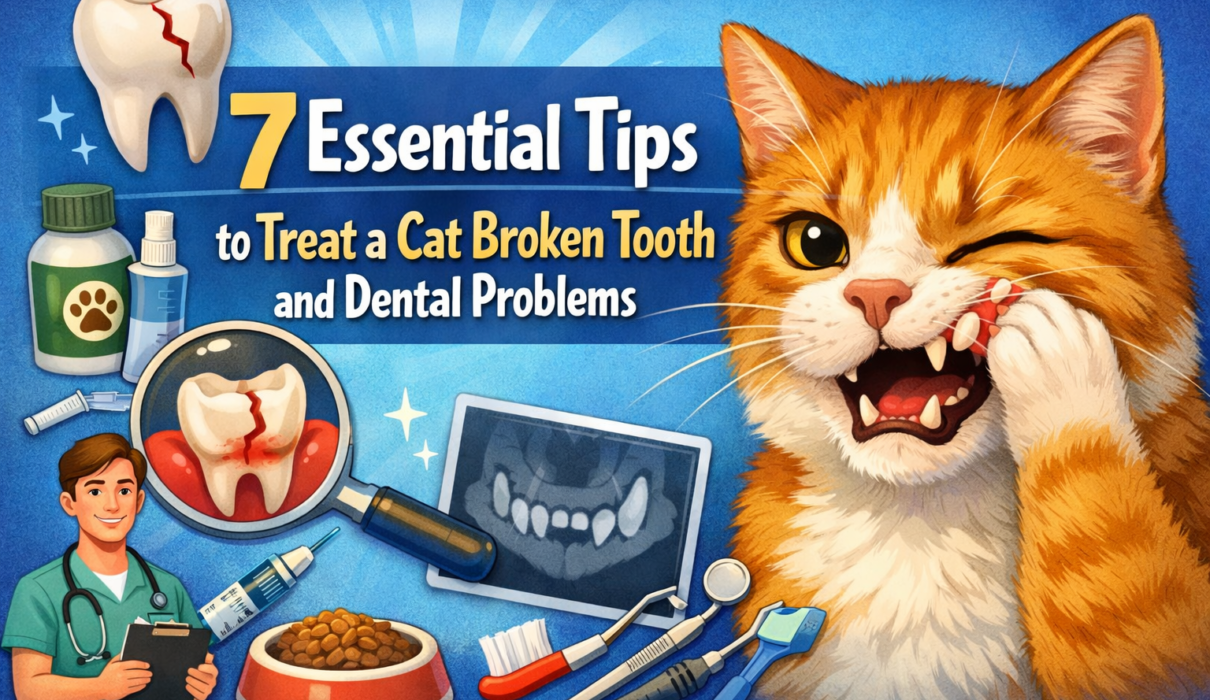
Cats hide pain, but dental health is very important. cat Broken teeth can cause infections and make eating hard. Poor dental health can definitely take a toll on a cat’s overall well-being, leaving them less playful and more lethargic. Issues like cracked, fractured, or rotting teeth are frequently the culprits. Some cats develop tooth root abscesses, which are very painful. A cat broken tooth may cause swelling or pawing at the mouth. This guide focuses on cat broken tooth problems and care tips. We cover the why, what, how, and what’s next. These suggestions can help keep your cat in good shape.
Taking care of their teeth now can prevent more serious issues down the road. Catching problems early can save you from costly vet bills. Cats with healthy teeth tend to eat better and feel more at ease. Even indoor cats can get dental problems over time. Dental disease often goes unnoticed until it becomes severe. Knowing what to look for improves your cat’s quality of life. We include practical tips for at-home care and prevention.
Causes of a Cat Broken Tooth
 12 Common Cat Symptoms: Important Causes and Solutions for Drooling, Heavy Breathing, Sneezing, Limping, and More12 Common Cat Symptoms: Important Causes and Solutions for Drooling, Heavy Breathing, Sneezing, Limping, and More
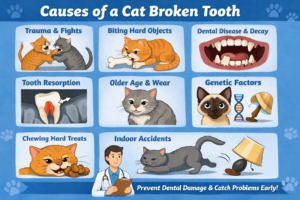
A cat’s tooth can break for a few reasons, usually involving some kind of mishap. A tumble or a tussle with another feline often does the trick. Teeth can also chip if a cat sinks its teeth into something too hard, like a bone or a particularly sturdy toy. Even small hard treats may sometimes crack teeth. Dental disease weakens teeth and makes them prone to breaking. Decay from poor dental hygiene can destroy tooth structure. Some cats suffer tooth resorption, which weakens teeth internally. Older cats naturally have more fragile teeth from wear. Repeated chewing on hard surfaces increases the risk of breakage.
Genetics can also affect tooth strength in some breeds. Indoor cats can still injure teeth during play or fights. Even minor trauma may result in cracks or chips. Knowing causes helps prevent future dental injuries. Preventive care can reduce the need for expensive medical procedures. Cats with healthy teeth are less likely to develop abscesses. Understanding why teeth break allows owners to act quickly. Early veterinary checkups can detect damage before infection occurs.
Signs Your Cat May Have a cat Broken Tooth
Drooling is a common sign of mouth pain. Cats often paw at their mouth when teeth hurt. Bad breath may indicate infection or tooth decay. Swelling around the gums shows irritation or abscess formation. Bleeding from the mouth is a serious dental warning. Cats may refuse to eat hard food or treats. Some cats stash their food, opting for softer fare. Changes in behavior might suggest dental problems or general discomfort.
If your cat is chewing excessively or drooling, it could be a sign of tooth trouble. You might observe sensitivity when you touch the cat’s face. If brushing is painful, the cat may groom less. Some cats become more irritable when their teeth are bothering them. Watching behavior closely helps spot problems early. Even small chips may cause significant discomfort. Ignoring signs may lead to cat broken tooth root abscess in cats. Early detection improves treatment success and recovery speed. Regular home observation is key for cat dental health.
Types of Cat Tooth Problems
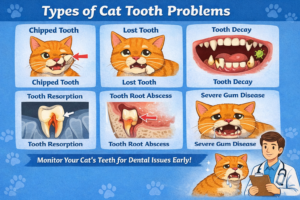
A cat chipped tooth occurs from chewing hard objects. Small chips may not be immediately painful. Large chips can expose nerves and cause infection. A cat lost tooth may result from trauma or decay. Missing teeth may affect eating or chewing ability. Tooth decay and resorption can destroy teeth from inside. These problems, although often painful, aren’t always obvious. A tooth root abscess causes swelling, pain, and sometimes fever. Abscesses can spread infection if untreated. Multiple teeth may be affected in severe dental disease. Cats can have gradual tooth decay as they age.
Addressing these issues early on helps avoid significant suffering and medical complications. The specific treatment will depend on the nature and extent of the dental issue. Understanding the problem is key to getting the right care from the vet. Even minor dental concerns can worsen if left untreated. Dental problems can negatively impact a cat’s overall well-being. Cat owners should keep a close eye on their pet’s teeth, looking for any signs of trouble.
Treatment Options for a Broken Tooth
Severely damaged teeth often need cat broken tooth extraction. Extraction prevents infection from spreading to other teeth. Minor chips may be repaired with a filling or crown. Some cats benefit from a root canal to save teeth. Pain management is essential during and after treatment. Veterinary checkups identify problems before serious infection occurs. X-rays help determine tooth condition and treatment options. Home care alone cannot fix a cat broken tooth. Untreated infections may affect the heart, liver, or kidneys. Cats heal faster with proper veterinary care.
Antibiotics and pain medication are often part of the treatment plan. After certain procedures, some cats benefit from a diet of soft food. To make sure everything heals properly and to avoid any setbacks, regular check-ups are essential. Even if a cat’s teeth were in good shape before, they still need to be watched closely after any extraction or repair work. It’s always best to talk to a veterinarian before trying any home treatments. Getting professional care helps avoid problems and speeds up recovery. Putting off treatment can lead to serious and costly issues down the road.
Recovery and Aftercare
Offer your cat soft food during the healing process. Avoid hard kibble for a few weeks. Pain medicine helps your cat stay comfortable. Give medications exactly as prescribed by your vet.
Prevent your cat from licking the treated area. Use an Elizabethan collar if necessary. Check gums for swelling or unusual discharge. Halitosis could signal an underlying infection. Maintain your usual eating and drinking habits. Provide fresh water often. Do not give human painkillers.
Keep follow-up appointments for proper healing. Keep an eye out for any signs of distress while they’re playing or getting groomed. Offering soft toys can help prevent additional harm.
It’s best to steer clear of bones or anything else that’s hard enough to cause damage. Contact the vet if swelling or bleeding occurs. Recovery may take days or weeks. Proper aftercare ensures safe healing.
FAQs About Cat Dental Problems
How fast can cats die from tooth resorption?
Untreated cat broken tooth resorption can quickly cause serious infections. Infections may spread to heart, liver, and kidneys. Early intervention helps prevent the development of serious health problems.
Regular vet checkups detect resorption early. Sore teeth can make eating and being active difficult.
My cat is missing a tooth. Is this a cause for concern?
Yes, it may indicate decay or injury. Lost teeth can lead to infections. Vets can check for underlying dental issues. Prompt dental care helps prevent further cat broken tooth loss. Soft food helps during recovery.
What is a tooth root abscess in cats?
A tooth root abscess is a bacterial infection. Causes swelling, pain, and bad breath. Sometimes fever develops with serious infection. Vets treat with antibiotics or extraction. Early treatment improves recovery speed.
How can I prevent future dental issues?
Make brushing your cat’s teeth a regular part of their routine. Dental treats can help keep plaque at bay. Steer clear of hard bones or anything that could damage their teeth. Routine veterinary dental checkups are a must. Keeping teeth in good shape makes for a happier, more comfortable pet, and it helps with their eating, too.
Conclusion
Dental health is very important for every cat. Routine veterinary visits help spot issues before they escalate. Addressing problems promptly minimizes suffering. Healthy teeth improve eating and energy. Daily brushing prevents future dental problems. Soft food helps cats recover faster.
Steer clear of hard objects to protect your cat’s teeth. Prompt attention can prevent infections. Keep an eye on your cat’s behavior for any hints of dental problems. Follow all vet instructions carefully during recovery.
Even small dental problems need attention. Proper dental care significantly enhances a cat’s overall well-being. It’s far more effective to prevent issues than to face costly interventions down the road. Generally, a healthy, contented cat also boasts good dental health. Consistent care contributes to a longer, happier life for your feline friend.